
Engineered with structural precision, built with food-grade and heavy-duty materials to guarantee structural integrity.
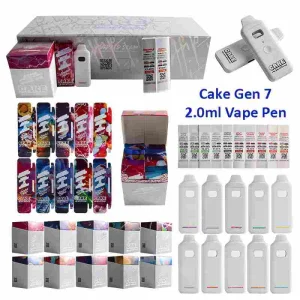
10 Flavors Manufacturer, Suppliers
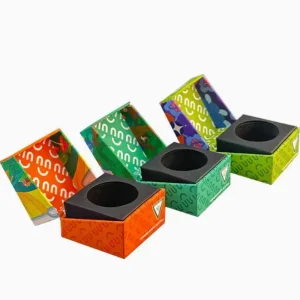
High-resolution art printing on corrugated inserts.
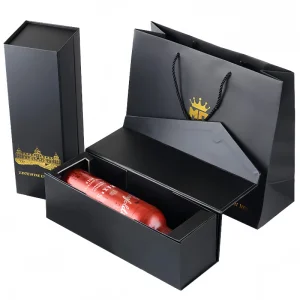
Luxury high-density board structure.
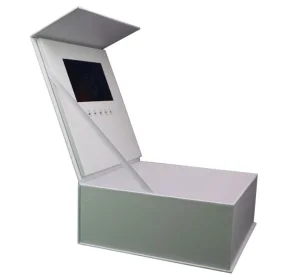
Interactive packaging for global markets.
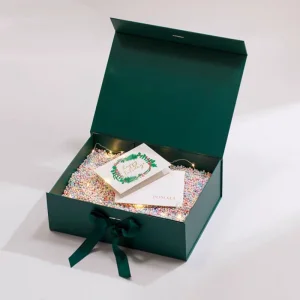
Premium textured surface wraps.
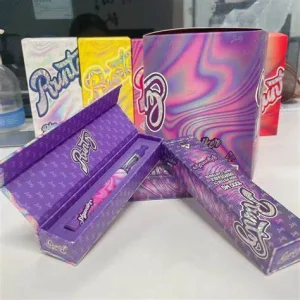
Accurate size partition designs.
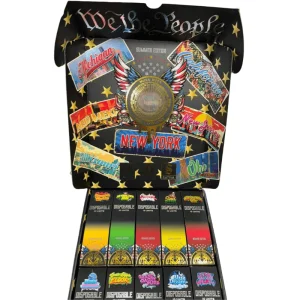
Vibrant colors, stable display backplane.
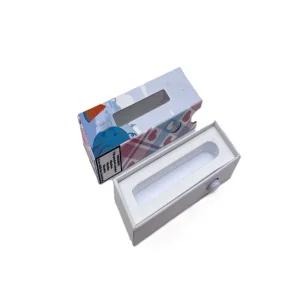
Secure product alignment templates.
Understanding how material science and print precision impact Edge Crush Test (ECT) ratings and retail branding.
Corrugated cardboard is not merely a combination of paper liners and fluted mediums; it is a high-performance structural system engineered to withstand multi-axis stresses during international transit. Our factory utilizes a range of flute profiles—ranging from high-caliper A and B flutes for primary cushioning, to thin, high-density E and F flutes that offer exceptional smoothness for detailed graphics printing. By utilizing advanced linerboards, including virgin Kraftliner and premium Testliner, we produce boxes that maximize both load-bearing capacity and visual clarity.
In modern industrial distribution, the selection of the correct corrugated density is tied to the choice of printing technology. Selecting high-resolution graphics on an irregular fluted surface requires a deep understanding of structural acoustics and mechanical compression. If print head pressure is too high, the flutes flatten, decreasing the Edge Crush Test (ECT) strength by up to 25%. Our integrated production lines avoid this by carefully synchronizing paper hydration, heated tension rollers, and non-contact digital or low-impact flexography systems.
As the epicenter of high-yield packaging manufacturing, China's printing factories offer systemic benefits that extend beyond labor costs:
Custom-molded and die-cut configurations optimized for food-contact, fragile, and high-prestige retail goods.
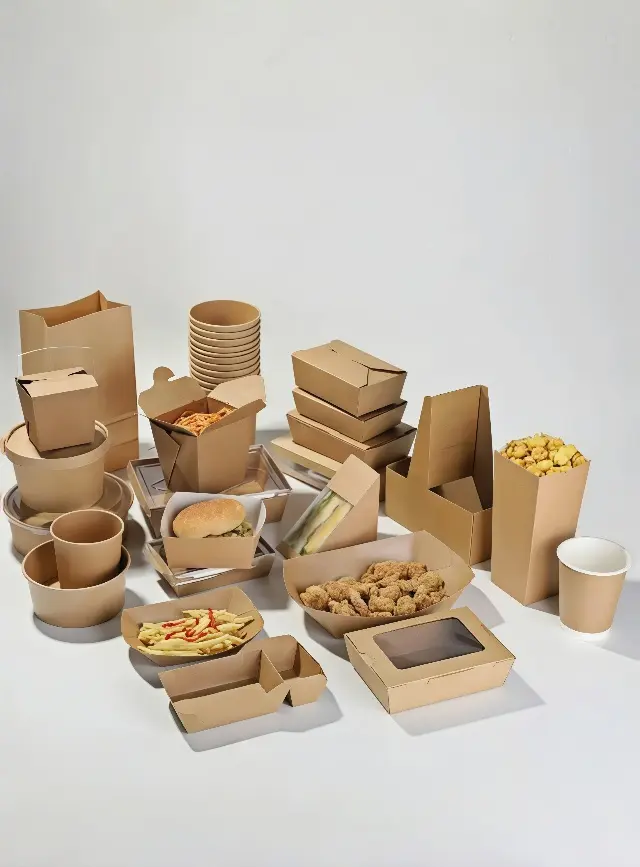
Produced using oil-resistant and FDA-approved food-contact paperboards.
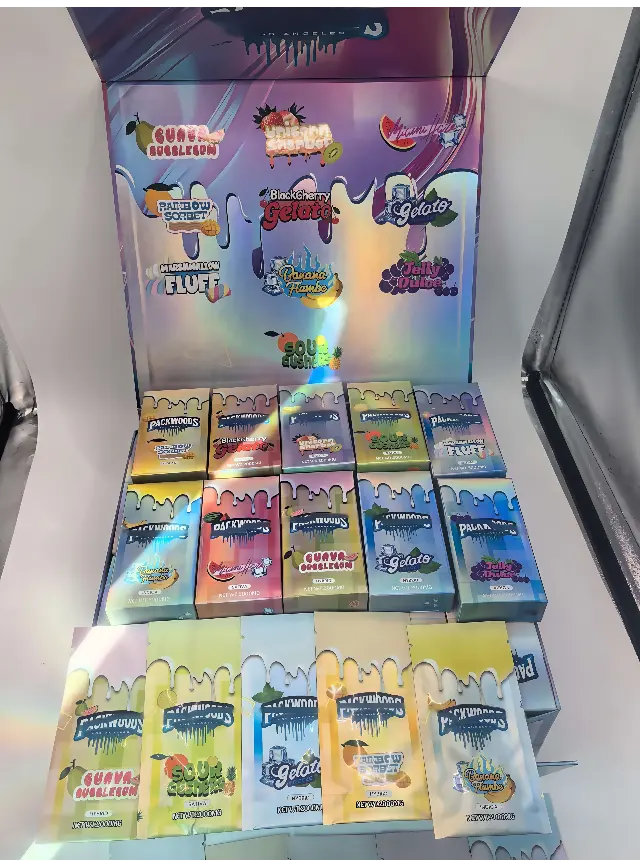
Space-saving flat-pack configurations featuring premium magnetic alignment locks.
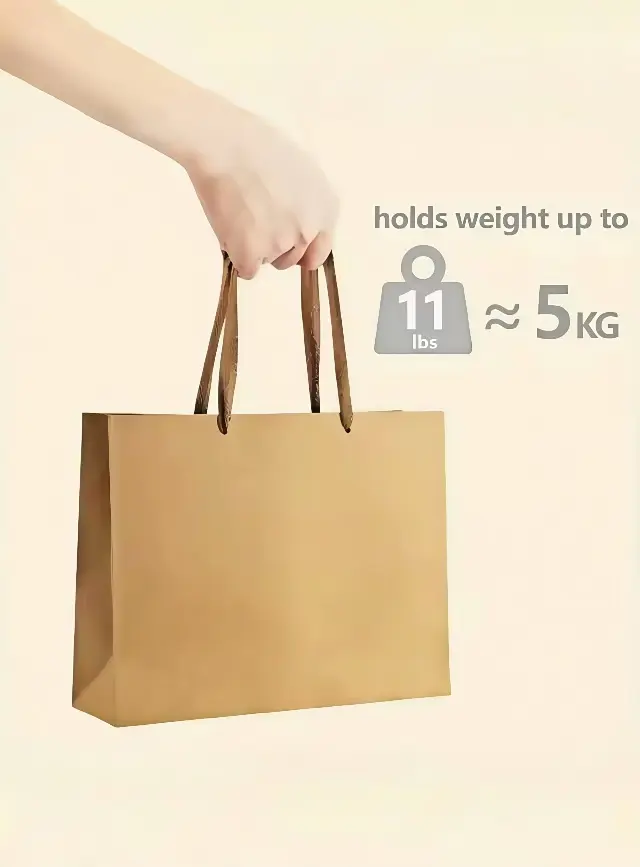
High tensile strength handles paired with eco-friendly natural fiber weaves.
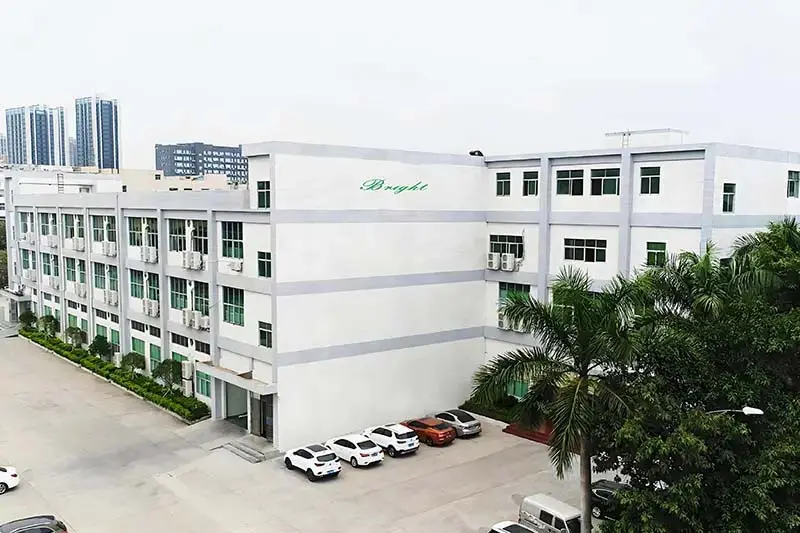
Since its establishment in 2017, Brightpack has evolved into a leading manufacturer specializing in premium custom packaging solutions for global markets. We combine functional design, high-quality materials, and advanced production to create packaging that elevates brand identity and meets international standards.
Our one-stop service covers every stage from design consultation, material selection, and custom printing to strict quality control, logistics coordination, and compliance support. Backed by a 2,000㎡ modern facility and a team of 100+ skilled professionals, we ensure precision, efficiency, and reliability in every order. Whether you need luxury gift boxes, eco-friendly packaging, or industry-specific solutions, our commitment to innovation and customer satisfaction makes us your trusted partner for global packaging success.
A rigorous, 10-step quality-controlled workflow designed to bring structural concepts to mass production with zero defects.


A deep dive into high-fidelity reproduction processes for industrial and consumer packaging.
Industrial packaging requirements vary by product category. Choosing the right print method is a balance between graphic detail, setup costs, and material thickness:
Flexographic Printing (Direct-to-Board): Flexography is the standard for high-volume shipping containers. Utilizing flexible photopolymer plates wrapped around rotating cylinders, it applies quick-drying water-based inks directly to the corrugated board. While setup costs are moderate, flexo printing offers exceptional speed and low per-unit costs for simple line art, branding badges, and regulatory labels. However, direct flexo can suffer from the "washboard effect" when applied to thick flutes, as the ink applies unevenly across the peaks and valleys of the internal fluted medium.
Lithographic Lamination (Offset-to-Board): For premium retail presentation, lithographic lamination is the preferred method. The artwork is first printed offset on thin clay-coated linerboard (typically 150-250 gsm paper) with high resolutions (up to 175 lines per inch). This printed sheet is then laminated onto the corrugated fluted board. This method enables detailed imagery, gradients, and specialty finishes like hot foil stamping, embossing, and spot UV, while preserving the internal fluting from compression.
High-Performance Digital Inkjet: Digital inkjet technology has redefined low-volume production and variable data printing. By eliminating plates, digital printing reduces setup times and scrap waste. It is ideal for prototyping, testing marketing campaigns, and subscription boxes with personalized graphics. The printing process uses non-contact technology, which avoids crushing the flutes. This helps maintain the box's original compression strength.
Modern global logistics networks present physical challenges to packaging. From humidity variations in sea cargo containers to sorting belt drops, packaging must protect the product inside. Our structural design team uses dynamic software models to simulate drop impacts, high humidity environments, and vibration fatigue. By sourcing materials with verified wet-strength additives and moisture-resistant adhesives, we build custom boxes that maintain structural integrity throughout the supply chain. This helps brands minimize product damage returns and improve customer satisfaction.
Four structural advantages designed to deliver reliable service and peace of mind.

Specialized in export-oriented packaging design, we’ve studied regulations of 50+ target countries/regions (e.g., EU REACH for packaging materials, US FDA 21CFR for food-contact items). For example, when handling wooden-component packaging, we strictly apply the IPPC marking process. By pre-resolving 90% of potential customs clearance risks in the design phase, we ensure smooth overseas shipping, saving you from costly delays.


Backed by advanced die-cutting (tolerance ≤±0.5mm) and HD printing (resolution up to 1200dpi) equipment, we master complex structures like auto-lock bottom folding boxes and luxury rigid boxes with lids. For high-end brands, our holographic anti-counterfeiting + embossing processes can boost brand perceived value by 35%, accurately translating your brand identity into packaging.

From sourcing FSC-certified paper to using VOC-free inks, we control every material. In finished product testing, we simulate 10+ transportation scenarios (ocean shipping vibration, air freight drop tests). Each batch goes through 15 inspection checkpoints, achieving a defect rate of less than 0.5%, far below the industry average of 3%.

With a 2,000㎡ owned factory and a 3-tier outsourcing network, we offer:
Small batches: 3-day sampling, 7-day mass production.
Large orders: 98% on-time delivery for 100,000-unit orders, thanks to lean production scheduling. This agility matches your business expansion, whether you’re testing new markets or scaling up globally.
Innovative, heat-insulated, and biodegradable food-service packaging developments.
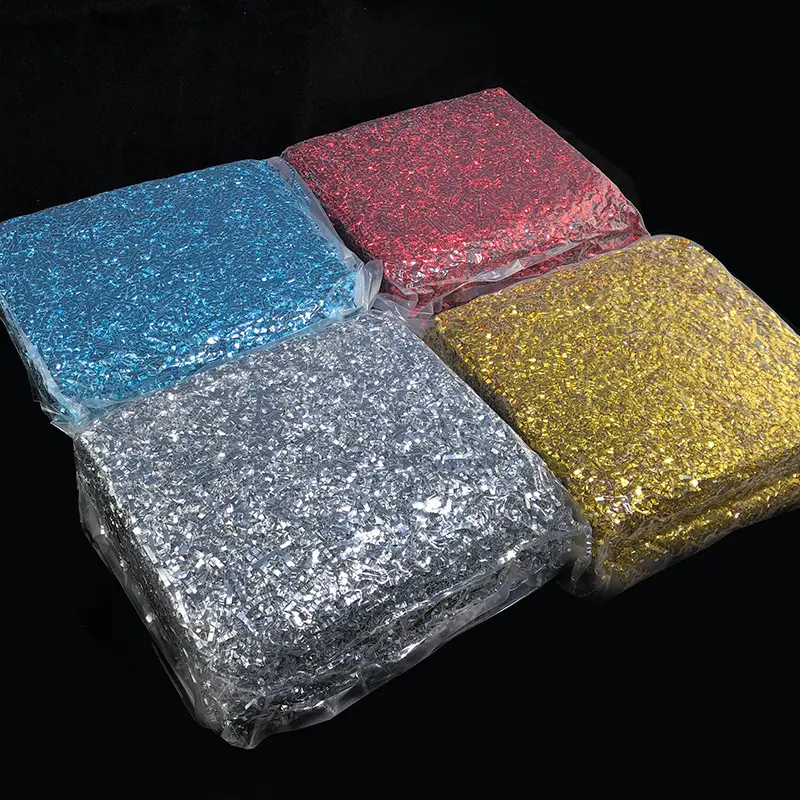
Premium shock-absorbent void fill packaging.
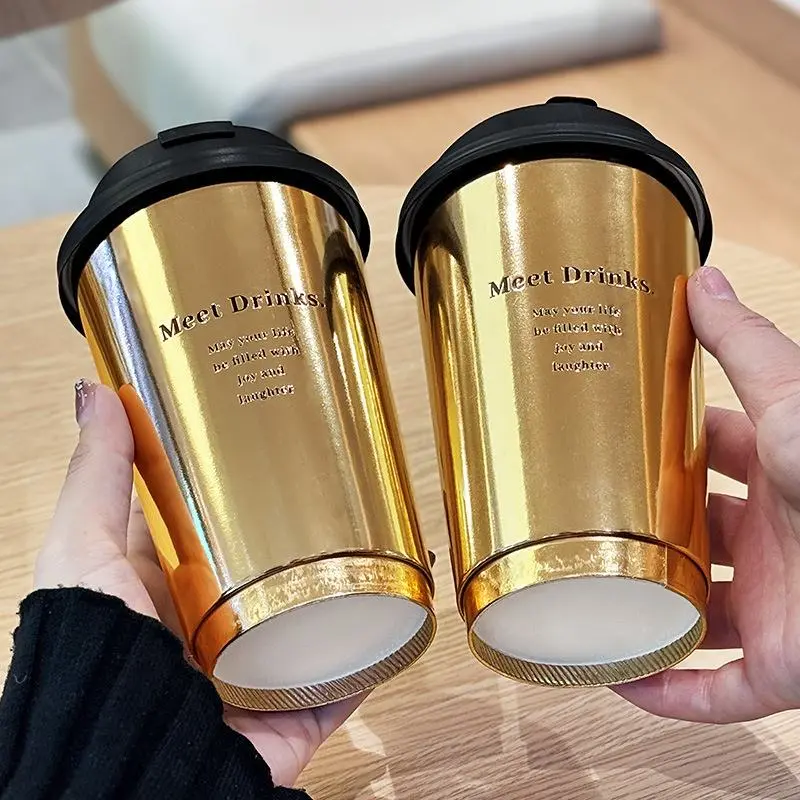
Thermal insulated, high barrier hot drink cups.
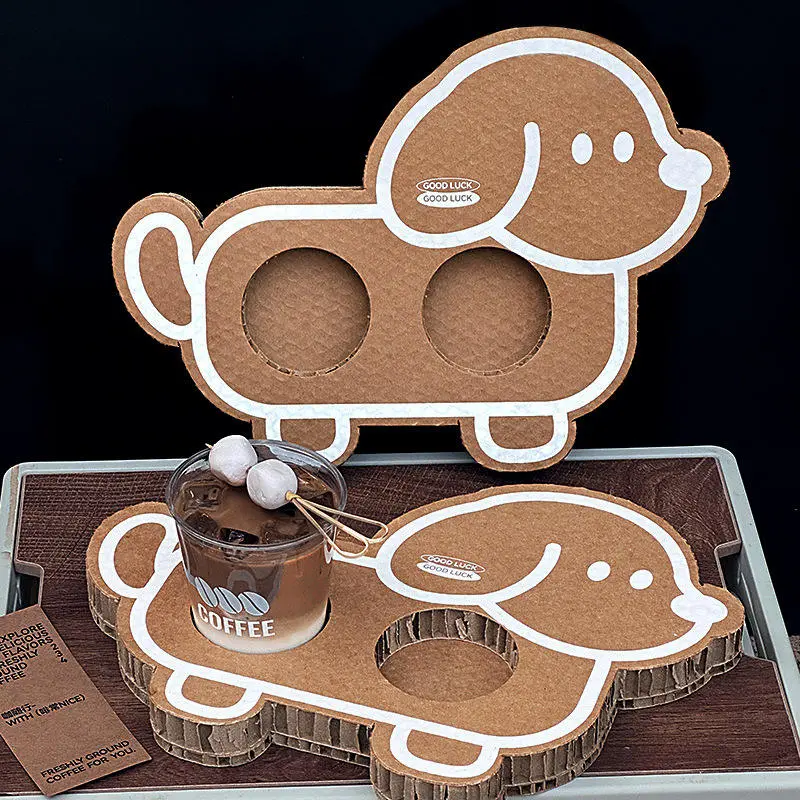
Textured insulation wraps with custom logos.
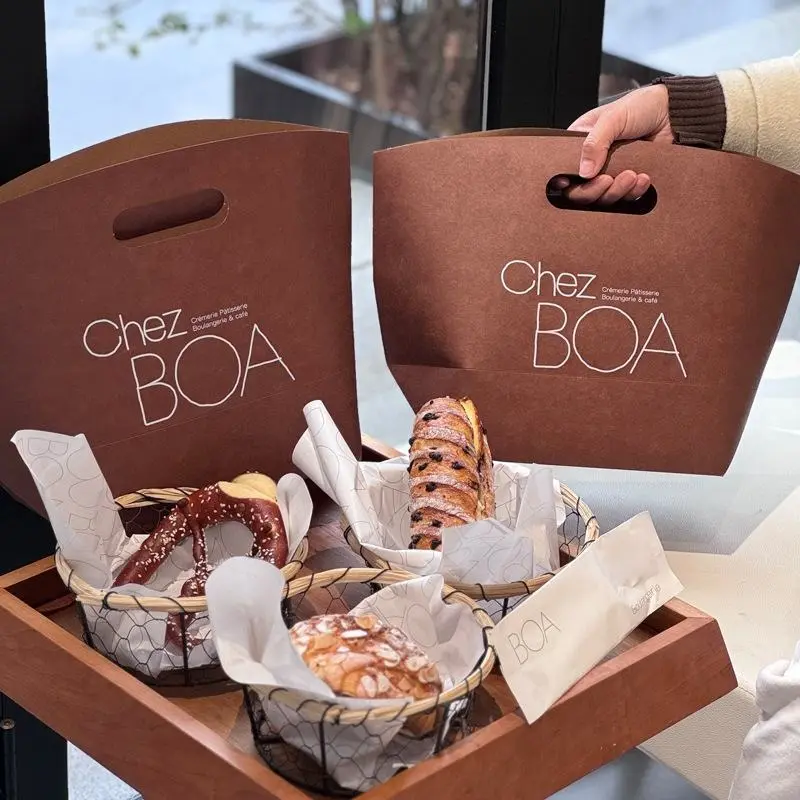
High moisture resistance, windowed pastry wraps.
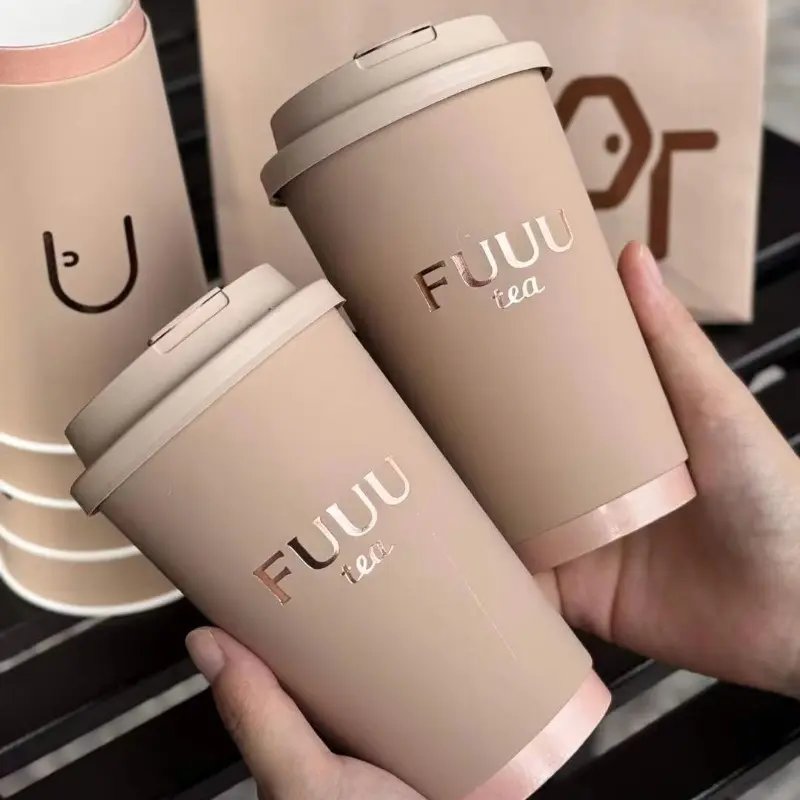
Double-wall construction for structural hold.
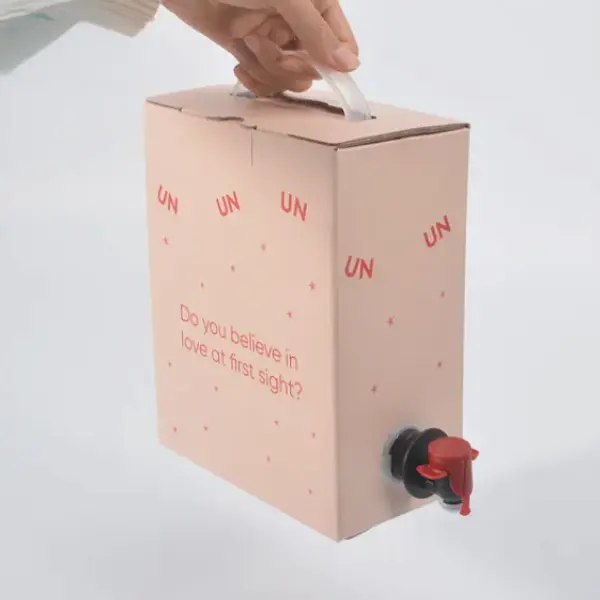
Multi-cup carrying stability design.
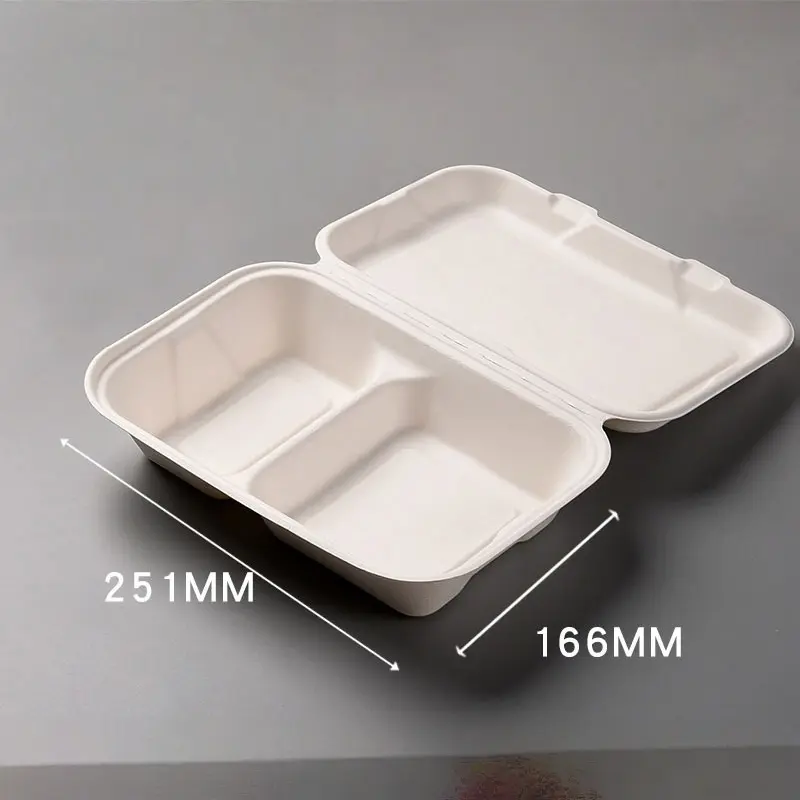
100% compostable structural pulp molds.
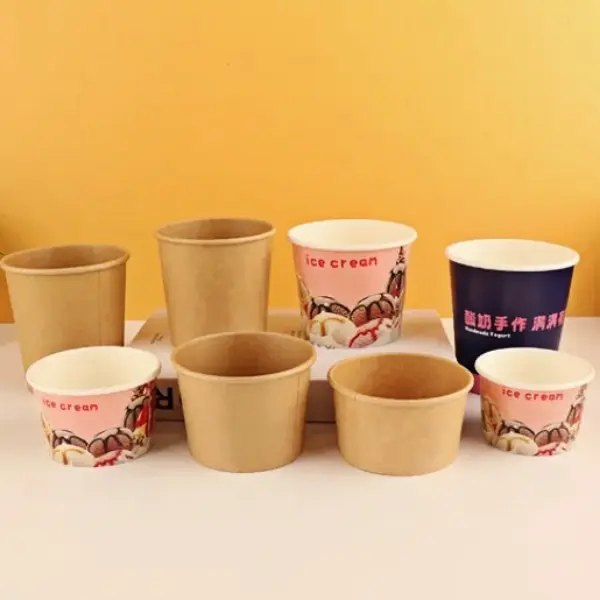
Low-temperature performance coating.
Meeting regulatory standards for global market entry, customs clearance, and environmental footprint limits.
Global consumer choices are increasingly shaped by environmental impact. For multi-national brands, packaging sustainability is a key regulatory and brand requirement. We offer packaging certified by the Forest Stewardship Council (FSC). This certification verifies that every fiber of our linerboard and fluting paper can be traced back to responsibly managed forests and verified recycled sources. This material path prevents the use of illegally logged fiber and preserves biodiversity in critical forest systems.
For agricultural goods, confectioneries, and general consumer goods, material toxicity is a primary concern. Our materials comply with US FDA 21CFR Part 176 regulations and EU Regulation (EC) No 1935/2004. Our water-based inks and adhesives are formulated to avoid transferring mineral oil hydrocarbons (MOSH/MOAH) into the packaged goods. This careful sourcing ensures compliance with strict chemical migration limits in food packaging.
To support high-reliability production lines, we employ rigorous testing procedures:
Bursting Strength (Mullen Test): We measure the hydrostatic pressure required to rupture a corrugated sheet, confirming the packaging's ability to withstand internal pressures during handling.
Moisture Analysis: We monitor the moisture content of the board, keeping it between 7% and 9% to prevent warping in humid shipping environments.
Cobb Water Absorption Test: This test measures the rate of water absorption of the paperboard over time, ensuring moisture-resistant performance in high-humidity logistics routes.
Technical guidance and material sourcing advice from our structural packaging engineering team.
Flute profile determines the spacing and height of the internal waves in corrugated board, directly affecting strength and printing performance. B-flute (approx. 3mm thick, 150 flutes per foot) provides excellent puncture resistance and cushioning, making it ideal for shipping cartons. E-flute (approx. 1.6mm thick, 290 flutes per foot) features closely spaced flutes that create a flatter outer liner. This flatter surface reduces the "washboarding" effect, allowing for high-definition offset lamination and detailed graphics, though with less cushioning protection.
Flexographic Pre-Print involves printing graphics directly onto the roll of linerboard before it is combined with the fluted medium on the corrugator. This allows for high-speed, high-quality printing without pressure-related damage. Flexographic Post-Print applies the ink directly to the already-combined corrugated board. Post-print is more cost-effective for short to medium runs but can apply pressure to the board, which may slightly reduce the Edge Crush Test (ECT) strength.
Water-based inks are eco-friendly, biodegradable, and standard for food and agricultural packaging. They dry via absorption into the paper fibers, yielding a natural matte finish. UV-curable inks cure instantly when exposed to ultraviolet light, forming a tough, high-gloss film on the surface. UV inks offer excellent rub resistance and sharp details, but require specialized curing equipment and are less suitable for direct food-contact surfaces.
We provide full documentation for global target markets, including FSC Chain-of-Custody (CoC) certification for sustainable forestry practices, US FDA 21CFR compliance for food safety, EU REACH compliance for chemical limits, and IPPC ISPM-15 certification for heat-treated wood pallets to facilitate smooth customs clearance.
The Edge Crush Test (ECT) measures the top-to-bottom compression strength of a cross-section of corrugated board. It is calculated by applying a force perpendicular to the flutes until the sample buckles (measured in pounds per lineal inch or kilonewtons per meter). ECT ratings directly determine safe stacking heights for palletized shipping and help us calculate the ideal paperboard weight for your custom orders.
Our MOQs depend on the selected printing technology. Because offset lamination and flexographic pre-print processes require extensive plate preparation and machine calibration, their standard MOQ is 3,000 units. For short runs or multi-version marketing campaigns, we offer digital printing options with MOQs starting at 500 units.
We apply functional barriers to the linerboard, including water-resistant coatings like clay coatings, PE lamination, or specialty water-resistant varnishes. These coatings reduce water absorption (measured via the Cobb test) to protect the corrugated flutes in high-humidity shipping containers.
Our standard production workflow takes 7 to 10 working days, including prepress plate creation, color proof verification, corrugation, die-cutting, gluing, and sorting. Shipping transit to local ports (such as Shenzhen or Ningbo) requires an additional 2 days, and global ocean transit varies from 14 to 35 days depending on the destination port.
Updates on green packaging policies, digital press installations, and industrial design trends.
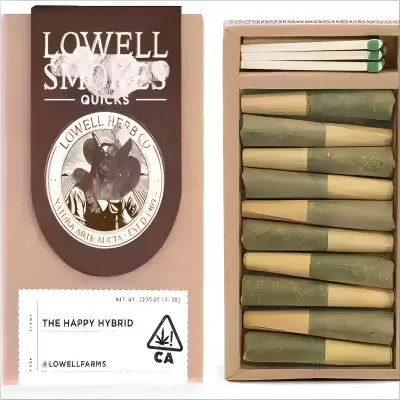
Are you ready to take your product presentation to the next level? Look no further! We specialize in translating branding identity into high-quality custom packaging solutions.
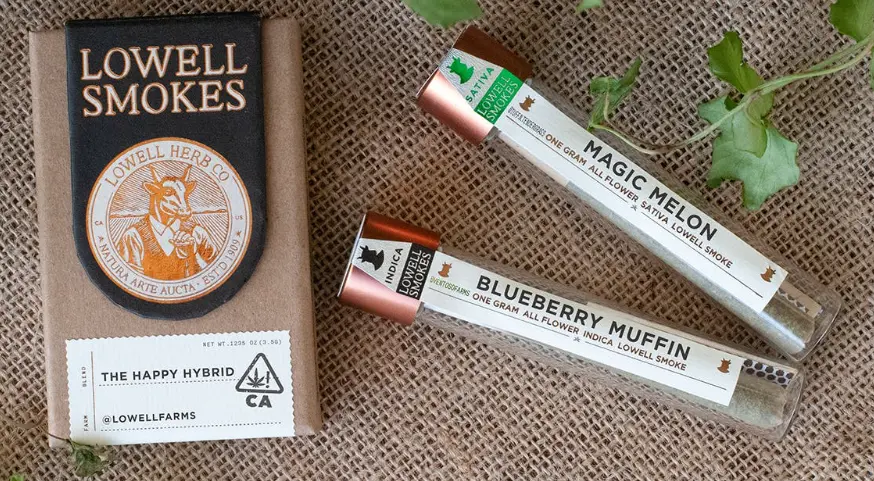
Exploring how structural engineering, finish selection, and precise color registration help consumer brands stand out on retail shelves and e-commerce platforms.
Preserving the remaining original products, custom-molded carriers, and structural vape packaging.
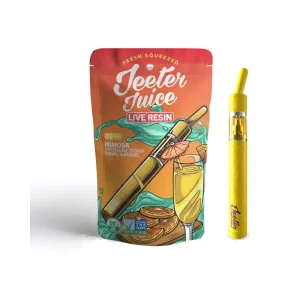
High barrier sealing laminated packaging.
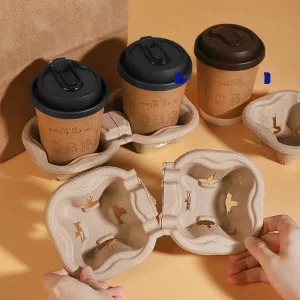
High structural integrity beverage molds.
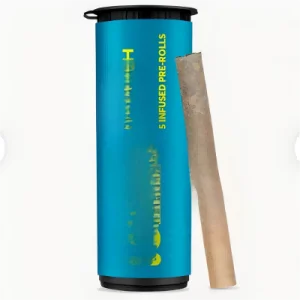
Secure product preservation tubes.
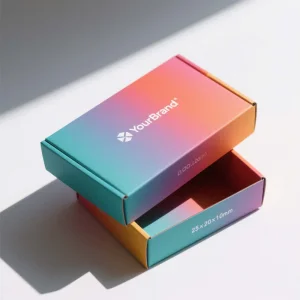
E-flute construction for outer protection.
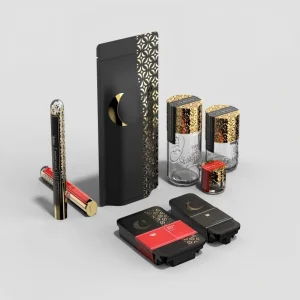
Resistant structures for active markets.
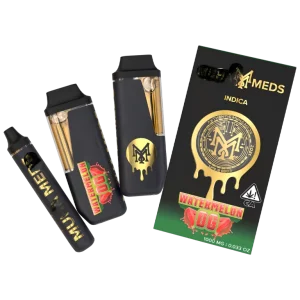
Highly precise alignments and clean edges.
Child-resistant certified sliding structure.
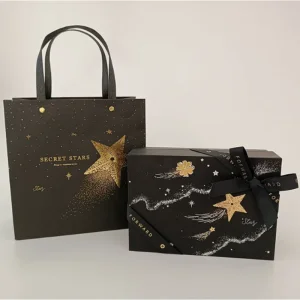
Prestige high gsm artboards with glossy ribbons.