
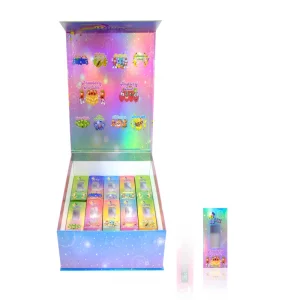
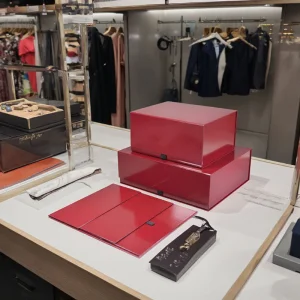
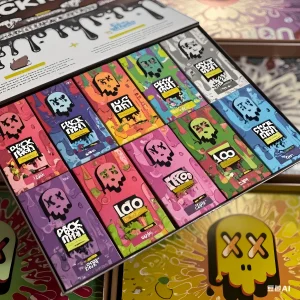
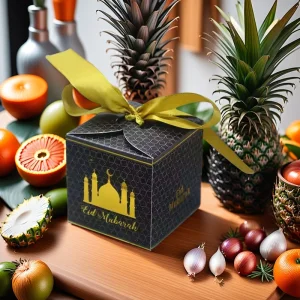
In modern industrial systems, manufacturing and distribution are no longer isolated nodes; they are links in a highly synchronized global supply chain. The concept of "Packaging to Ship" forms the bridge between manufacturing plants and end customers. Today's commercial reality requires that secondary and tertiary packaging perform beyond mere containment. Logistics packaging must serve as active protection, a carrier of regulatory compliance, and a tool for optimizing transport efficiency.
Global corporations face complex transport conditions across trans-Pacific and trans-Atlantic freight lanes. These products undergo immense atmospheric pressure changes, variable humidity levels, and dynamic structural stresses. Standard packaging often fails during long-term maritime transit, leading to product damage, contamination, and costly custom delays. Consequently, enterprises are moving away from stock solutions toward custom OEM structures that integrate advanced engineering, localized drop-test validation, and high-performance barriers.
According to industrial logistics research, utilizing optimized, structurally engineered packaging boxes can reduce transit damage rates from a global average of 3.2% down to less than 0.4%. Furthermore, precise dimension-matching reduces void fill materials, directly lowering container cubing volume requirements by up to 18%.
China's packaging manufacturing industry has evolved from basic assembly plants into a vertically integrated, technology-driven ecosystem. In industrial centers like Guangdong and Zhejiang, factories leverage complete supply chains containing raw pulp mills, printing cylinder manufacturers, custom ink producers, and high-speed automated assembly lines.
This geographic concentration allows us to shorten lead times dramatically. While Western operations may require weeks for tooling and mold setups, our localized facilities handle CAD modeling, rapid prototyping, and structural testing within 48 to 72 hours. Automated production lines, equipped with computerized die-cutters, inline folding-gluing machinery, and spectrophotometers, ensure stable output and tight structural tolerances (±0.5mm) even at scale.
For international buyers, the ability to adapt packaging to regional requirements is vital. In North America, child-resistant features are essential for medical products and e-liquids. In Europe, strict compliance with the EU Packaging and Packaging Waste Regulation (PPWR) demands traceable, recyclable structures.
Our OEM factories optimize each batch for its target market. Whether it's structural stability for retail shelving, child-resistant push locks for safety compliance, or tear-strips for e-commerce processing, we ensure the structural properties align with local regulatory frameworks and end-user habits.


We analyze regional regulations (including EU REACH, US FDA 21CFR, and child-resistant safety guidelines) to identify and address customs clearance and material compatibility risks during the early design phase.
Utilizing high-precision digital die-cutters (with tolerances within ±0.5mm) and color-matched offset presses, we deliver complex box configurations, clean window cutouts, and embossed finishes that match your brand design.
We source FSC-certified raw materials and VOC-free inks. To ensure product protection, we conduct transit simulation testing (including drop and vibration profiles) to maintain low batch defect rates.
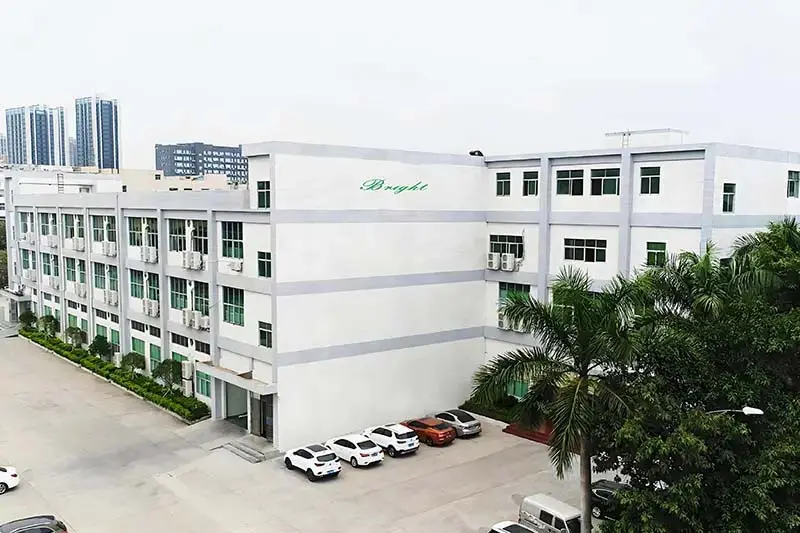
Our 2,000㎡ manufacturing plant and material network support rapid processing, providing 3-day prototyping for custom samples and reliable manufacturing schedules for large-volume runs.
The global packaging sector is undergoing structural changes driven by environmental policy, supply chain digitization, and the growth of e-commerce channels. As transport costs rise, businesses are prioritizing lightweight, high-strength corrugated cardboard over heavy secondary packaging. Material innovations, such as barrier coatings that resist oil and moisture without plastic, are increasingly replacing standard PE linings.
Additionally, smart packaging is shifting from a premium feature to a mainstream logistics requirement. Real-time temperature indicators, QR-based lot verification systems, and smart RFID chips are being integrated directly into shipping containers. These technologies allow procurement teams and logistics managers to track batches from the factory floor to the final point of distribution.
Selecting an industrial packaging partner requires verifying specific manufacturing capabilities, material quality, and compliance certifications. Sourcing managers should look for the following criteria when evaluating packaging factories:
We work with international logistics providers to align box designs with standardized air cargo containers and sea container configurations. By matching secondary box dimensions to standard shipping pallets, we help clients minimize freight space loss, improve packing stability, and reduce per-unit shipping costs.
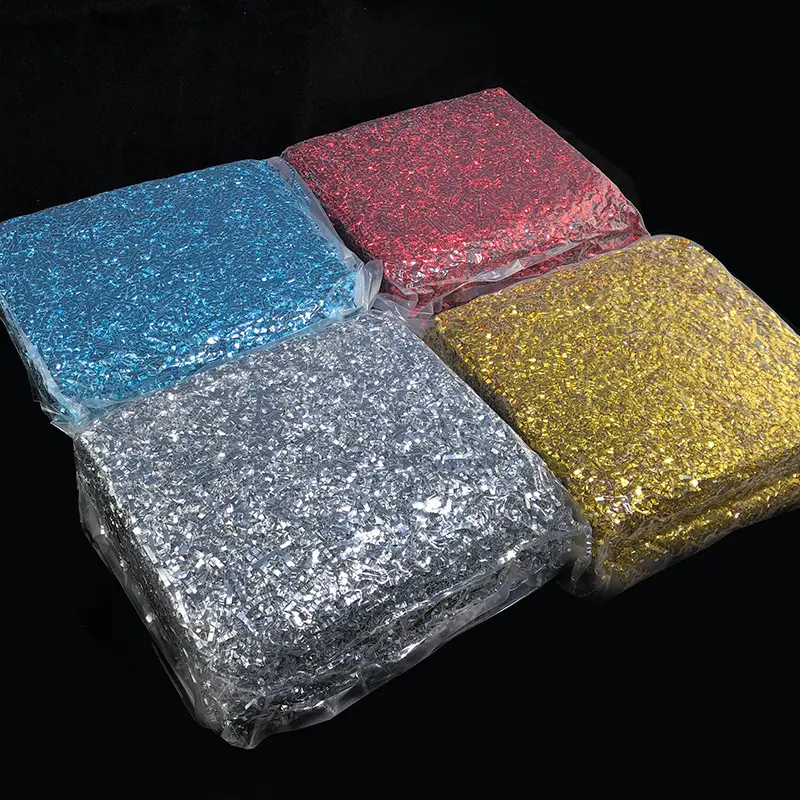
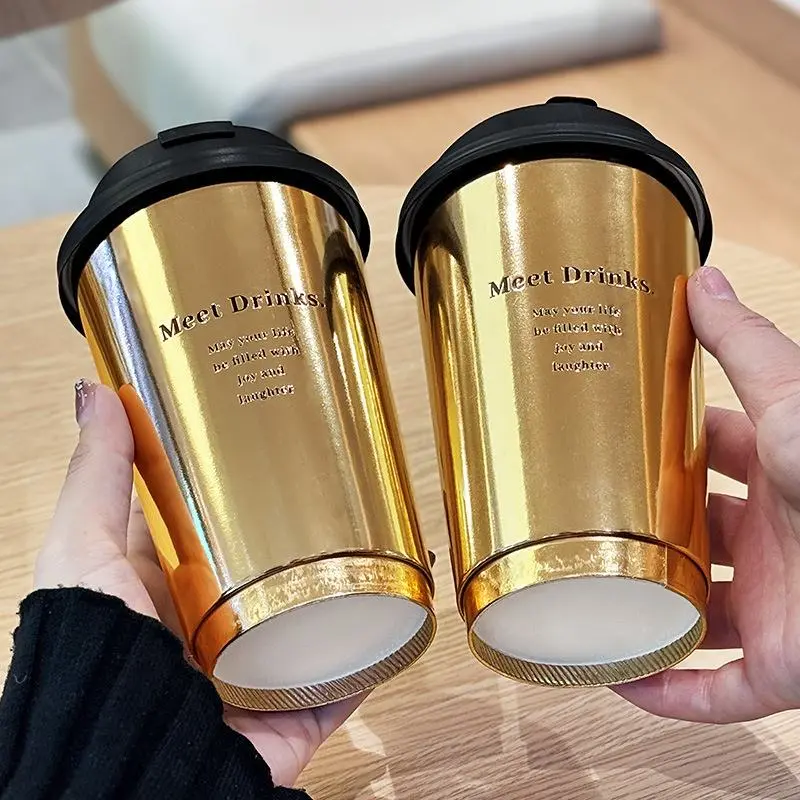
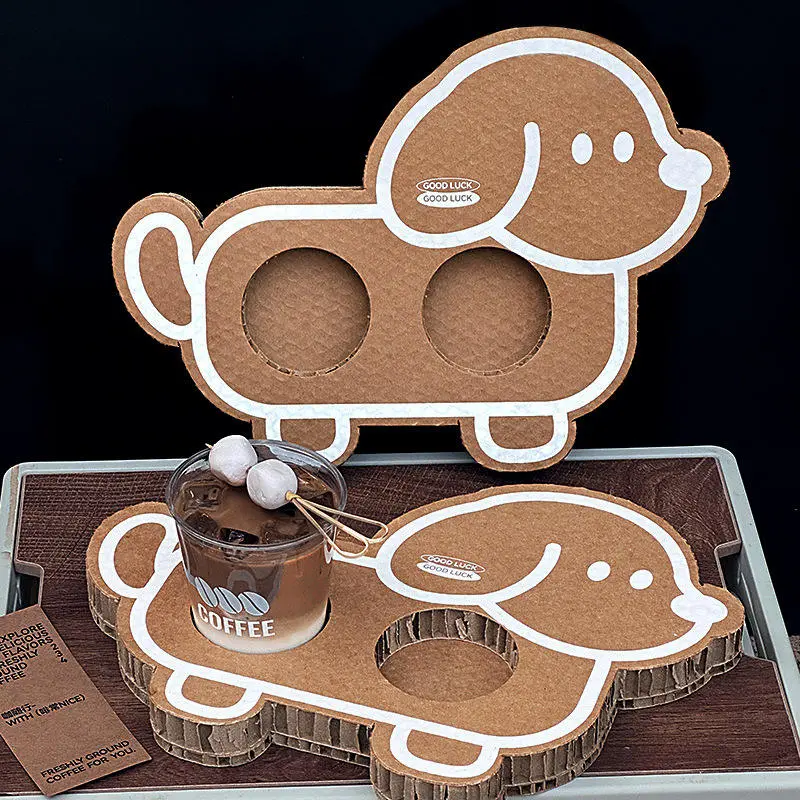

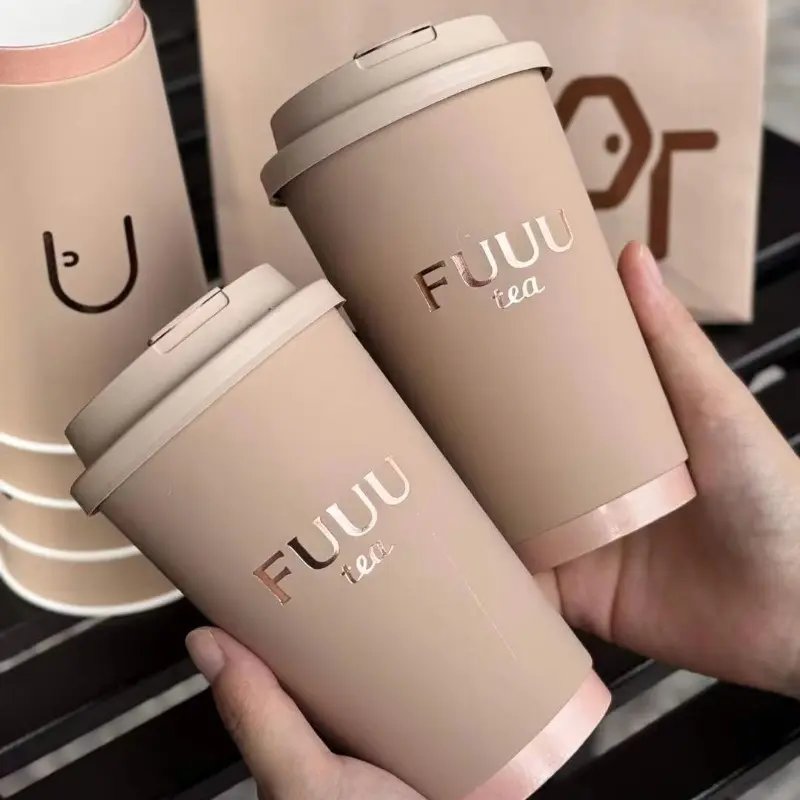
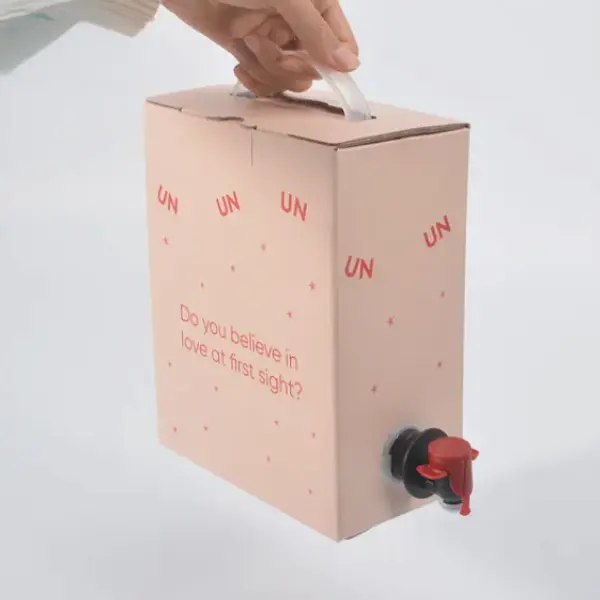
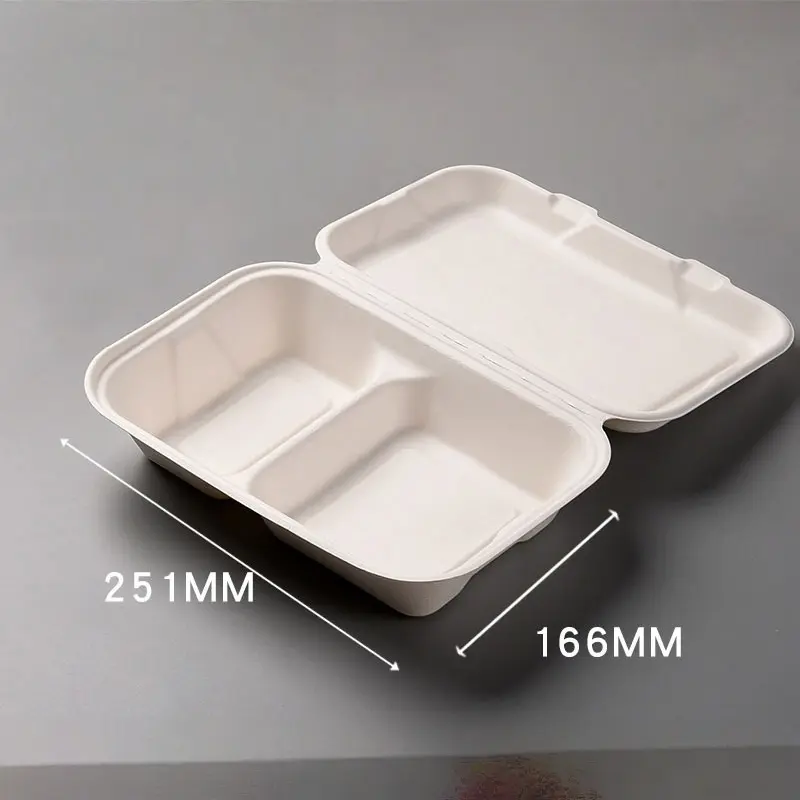
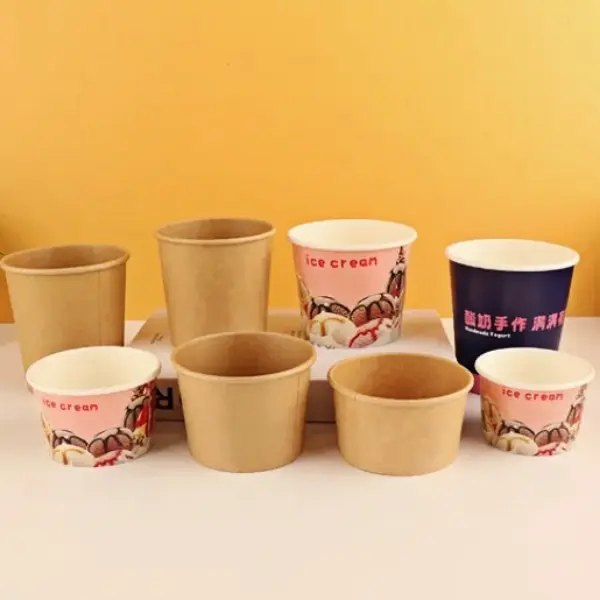
Since its establishment in 2017, Brightpack has evolved into a leading manufacturer specializing in premium custom packaging solutions for global markets. We combine functional design, high-quality materials, and advanced production to create packaging that elevates brand identity and meets international standards.
Our one-stop service covers every stage from design consultation, material selection, and custom printing to strict quality control, logistics coordination, and compliance support. Backed by a 2,000㎡ modern facility and a team of 100+ skilled professionals, we ensure precision, efficiency, and reliability in every order.
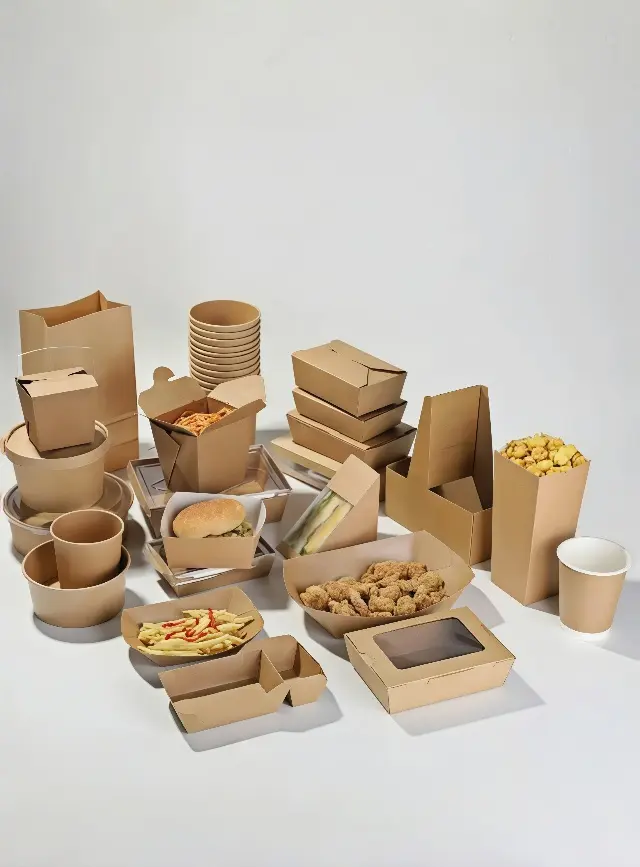
Whether you need luxury gift boxes, eco-friendly packaging, or industry-specific solutions, our commitment to innovation and customer satisfaction makes us your trusted partner for global packaging success.
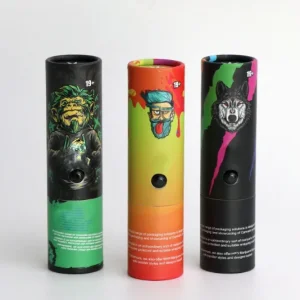
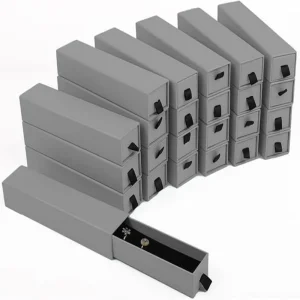
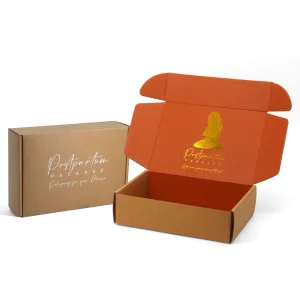
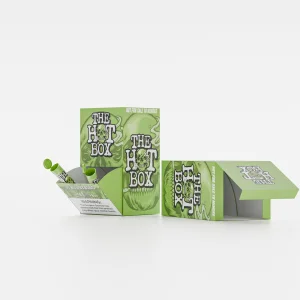
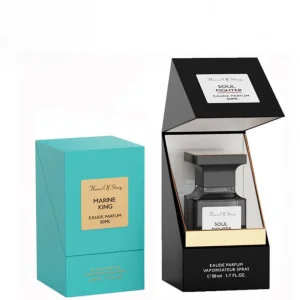
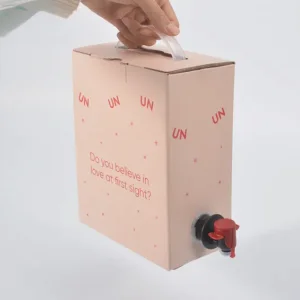


Learn how custom-engineered packaging balances shipping protection, transit efficiency, and branding goals for new product launches.

An evaluation of the physical features, finishes, and paper weights that help luxury packaging stand out on the shelf.