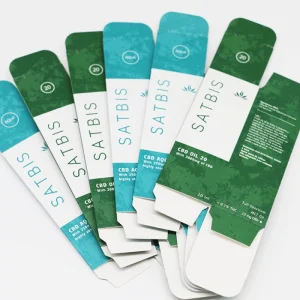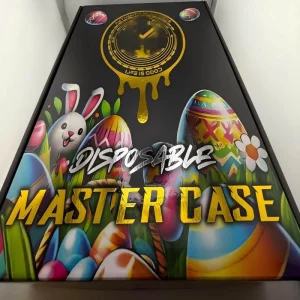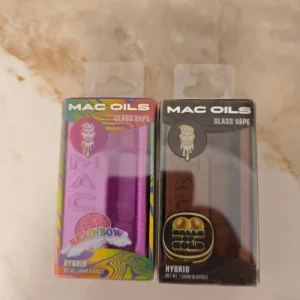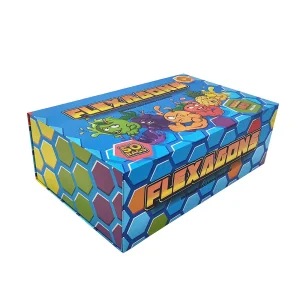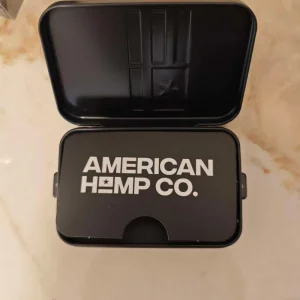
Explore our premium custom configurations deployed for beauty, spirits, high-end electronics, fast-casual operations, and regulated markets globally.

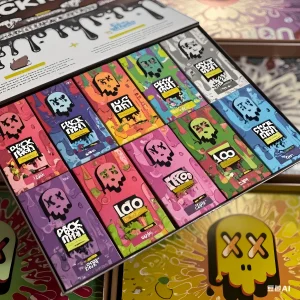
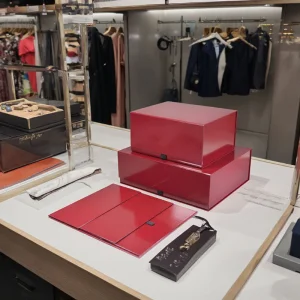
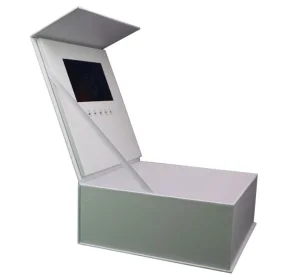
An in-depth analysis of supply chain resilience, sustainable material barrier technologies, smart logistics, and compliance infrastructure for international B2B enterprise procurement.
In the contemporary global trade economy, Retail Product Packaging acts as both a protective barrier and a brand touchpoint. As supply chains adapt to strict circular economy frameworks and changes in retail models, packaging procurement is transitioning from a commodity-based purchase to a strategic asset. Global packaging organizations are moving beyond standard folding cartons to invest in structural systems designed for transport survival, brand storytelling, and environmental compliance.
According to research into Google’s search patterns, enterprise buyers prioritize two key metrics when evaluating wholesale partners: *traceable ESG credentials* and *customization capability* without inflating operational costs. Finding this balance requires a manufacturing partner with modern facilities, certified material supply lines, and deep engineering experience to scale designs efficiently.
Single-use plastics are facing phase-outs under initiatives like the EU Packaging and Packaging Waste Regulation (PPWR) and US state-level Extended Producer Responsibility (EPR) laws. As a result, B2B buyers are moving toward high-barrier fiberboard, compostable biopolymer windows, and water-based, VOC-free printing inks. At Brightpack, we source FSC-certified substrates to ensure supply chain compliance for international export.
Effective packaging design must prevent product damage. Our structural designs undergo testing for Edge Crush Test (ECT) and Bursting Strength parameters. This structural design process helps minimize damage during transport, which in turn reduces shipping damage returns and improves overall cargo efficiency.
Modern retail packaging increasingly incorporates technology. We integrate smart elements like RFID tags for inventory management, NFC chips for consumer interaction, and QR codes linked to authentication systems. This transforms standard packaging into a secure, interactive channel for brand communication.
"Effective packaging design integrates structure, environmental responsibility, and brand alignment. Global brands face the challenge of balancing premium design with sustainable compliance, making reliable manufacturing partnerships essential."
Choosing the right materials involves evaluating barrier performance, surface texture, print process compatibility, and recycling characteristics. The table below outlines our standard production configurations for specific retail channels:
| Packaging Category | Primary Substrate Configuration | Printing & Finishing Details | Compliance & Certifications |
|---|---|---|---|
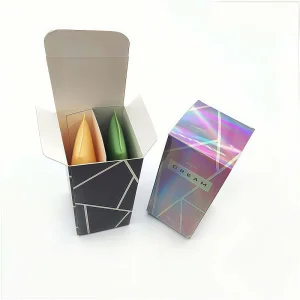
| Cosmetic Folding Cartons | 300-400gsm FSC SBS (Solid Bleached Sulfate) | High-definition UV lithography, matte soft-touch finish, hot foil accents | FSC Chain of Custody, REACH Compliant |
| Rigid Gift Boxes | 1200-2000gsm Recycled Greyboard wrapped in Art Paper | Embossing, debossing, magnetic closures, custom inserts (molded pulp or EVA) | RoHS, Heavy Metals Checked (<100ppm) |
| Eco-Food Packaging | Unbleached Kraft Board, compostable PLA barrier film | Soy-based flexographic print, water-resistant clay coating | FDA 21CFR Food Contact Approved, EN 13432 |
| E-Commerce Mailing Boxes | E-Flute or B-Flute Single Wall Corrugated (FSC Recycled) | High-speed flexographic or digital printing, water-based varnishing | ISO 14001, ISTA Drop-tested Structural Reliability |
The packaging industry is working toward closed-loop recycling models. Modern production technologies focus on reducing material waste during die-cutting and utilizing biodegradable, plant-based barrier coatings instead of PE lamination. Incorporating lifecycle assessment (LCA) tracking into the early design stages helps calculate the environmental impact of each container, preparing businesses for upcoming environmental regulations.
Established in 2017, Brightpack designs and manufactures custom packaging solutions for international brands. We coordinate structural engineering, material sourcing, precision printing, and compliance validation to deliver brand-aligned retail and industrial packaging.
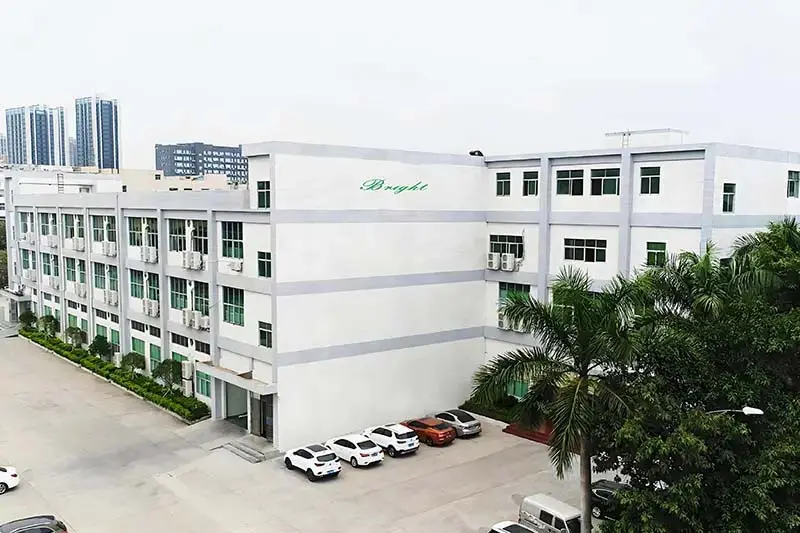
Our team works with clients from initial concept and 3D design to sample validation, production, and shipping. Operating a 2,000 m² factory equipped with modern die-cutting and offset lithography systems, we focus on maintaining quality standards and delivery schedules for global partners.
From structural design to shipping logistics, our team guides you through each stage of the packaging production process.


We provide structural optimization, custom printing, and supply chain management for global retail packaging requirements.

We analyze regulatory requirements for major export markets, including EU REACH compliance for packaging materials and US FDA guidelines for food-contact substrates. This pre-shipment validation helps minimize potential custom clearance issues.

Utilizing high-speed die-cutting equipment and offset printing systems, we produce structures ranging from auto-lock bottom folding cartons to multi-piece rigid presentation boxes with precise alignment.

Our quality control process spans from material sourcing to final packaging validation. In-house testing includes vibration and drop tests to ensure structural integrity under typical logistics conditions.

We offer modular production schedules: fast-track prototyping in 3 days, standard production turnarounds, and volume scaling options to align with launch timelines.
Get technical answers from our packaging engineers regarding materials, structural design, international compliance, and customization.
Explore our specialized designs, including child-resistant closures, beverage trays, food service containers, and luxury gift boxes.
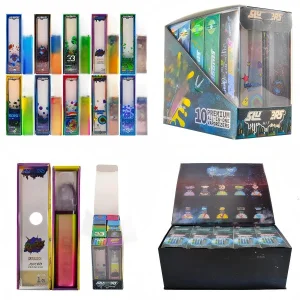
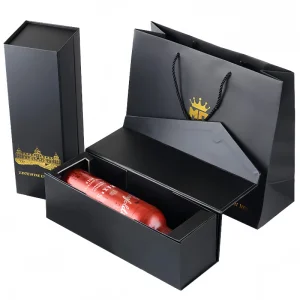
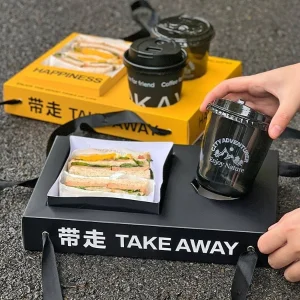

Browse our updates on technical breakthroughs, structural design methods, and international trade compliance.
An analysis of visual identity and shelf-appeal in competitive retail spaces, focusing on structural design choices for retail shelves.
Evaluating the differences between soft-touch, aqueous, UV varnishing, and dry embossing processes to improve brand positioning.
A review of methods to reduce overall shipping costs by matching carton templates to standardized pallet sizes without compromising packaging safety.