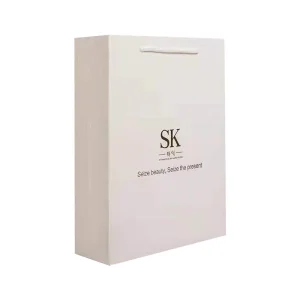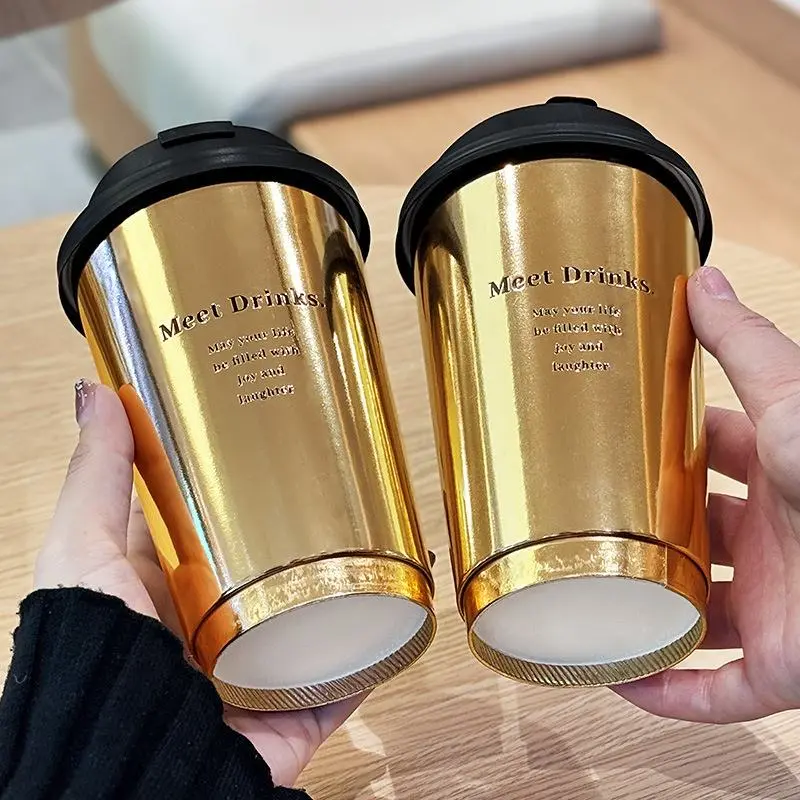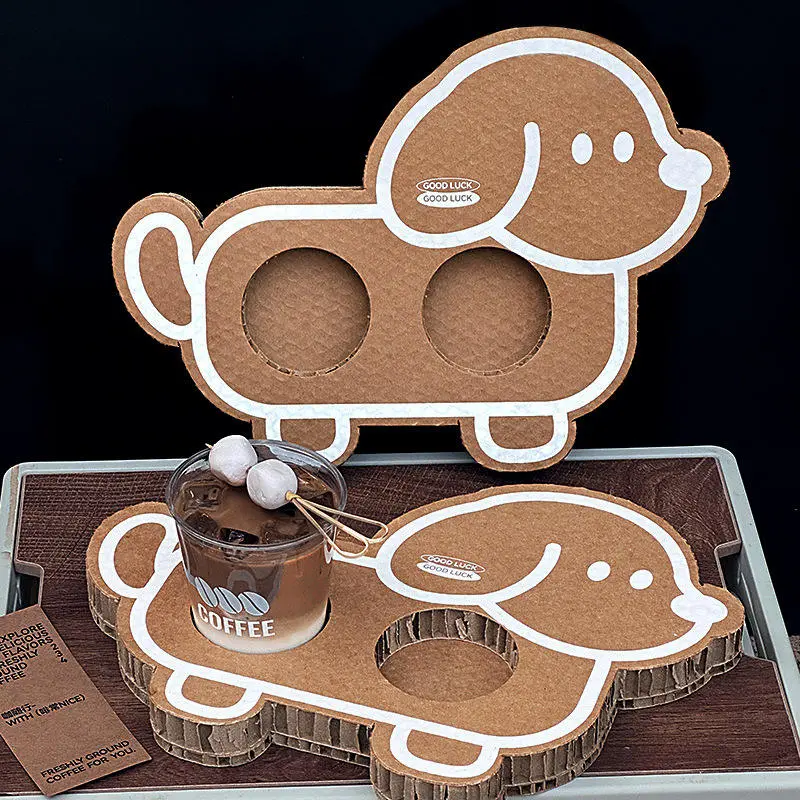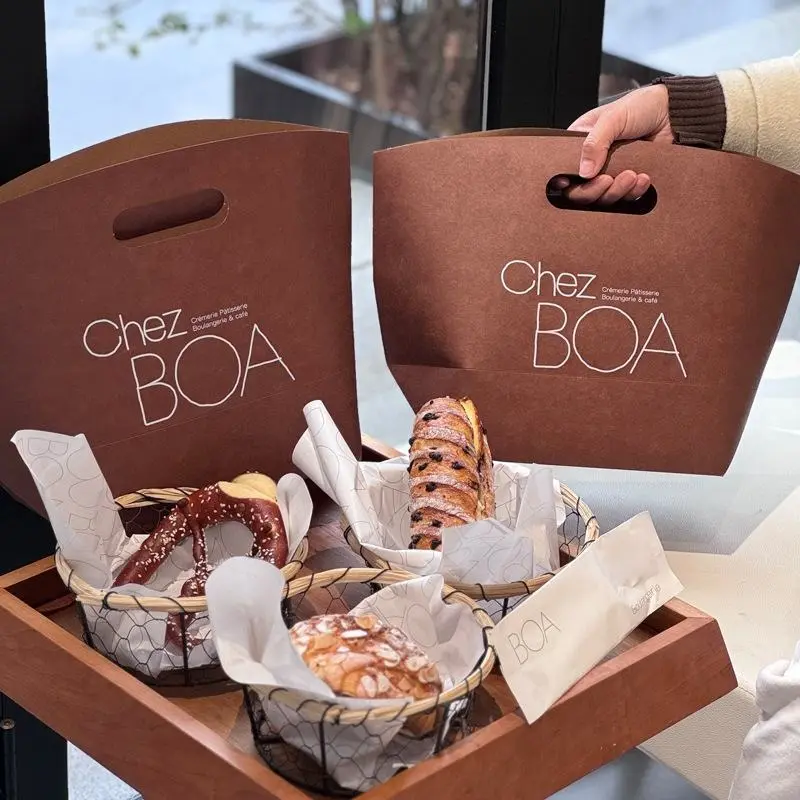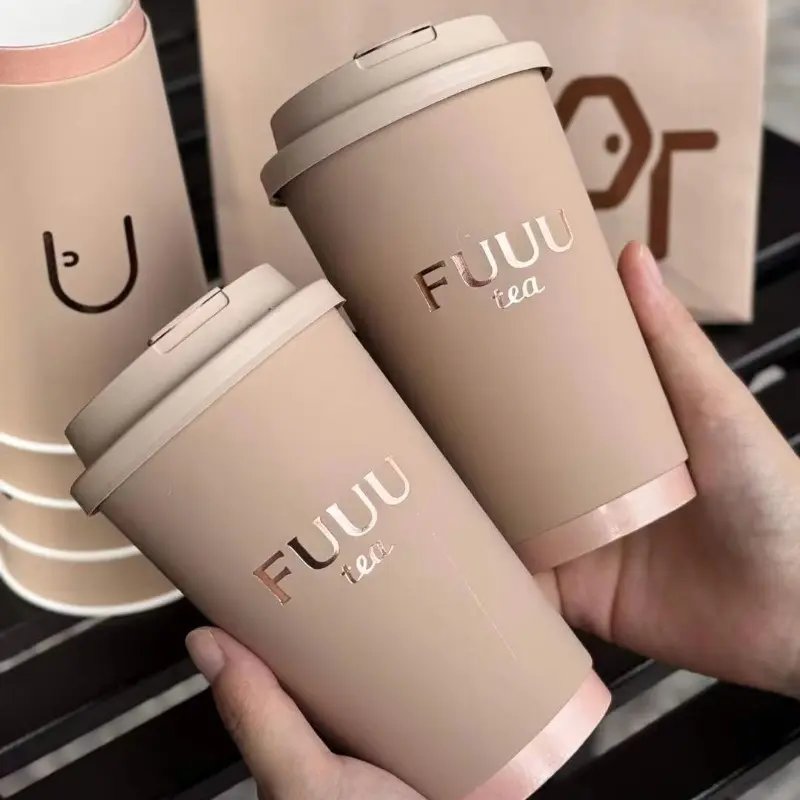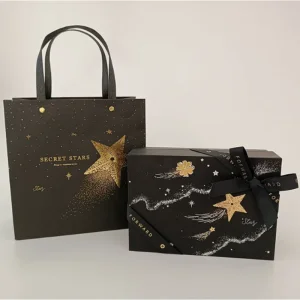
In the modern omnichannel retail sector, custom logo retail bags are no longer treated as simple transport utilities. Instead, they act as primary billboards that bridge physical retail, e-commerce collections, and mobile consumer lifestyles. Annually, the global retail carrier market handles billions of transactions. As brands seek to differentiate themselves in highly saturated markets, the quality of their retail packaging directly impacts post-purchase consumer retention.
According to consumer psychology studies, packaging sensory indicators—such as the thickness of kraft paper, the finish of matte lamination, and the durability of cotton handles—increase perceived brand value by more than 30%. For luxury boutiques, high-end cosmetics producers, and gourmet coffee shops, a customized, structurally sound bag serves as a mobile proof of authentication that consumers display with pride in public, driving organic brand impressions.
The manufacturing of retail packaging has transitioned from labor-intensive manual operations to high-speed, integrated automated systems. Leading global factories utilize computer numerical control (CNC) die-cutting machines, inline printing presses, and automatic folder-gluers to process massive material volumes. These technological updates minimize variation margins to less than ±0.5mm.
Integrating advanced prepress processing systems with industrial plate-making equipment helps factories maintain consistent registration for multi-color branding. This structural precision prevents misalignments that can damage a company's visual identity, especially on retail bags featuring detailed metallic embossing, debossing, or complex UV spot coatings.
China's packaging industrial zones provide significant advantages for global purchasers seeking custom retail bags. By grouping paper mills, plate-makers, custom dye suppliers, handle weavers, and specialized machinery manufacturers in close proximity, Chinese packaging factories offer unparalleled responsiveness. This integrated ecosystem dramatically reduces lead times, allowing factories to source, print, die-cut, and inspect custom orders faster than regional competitors.
Furthermore, Chinese factories have made substantial investments in sustainable technology. Most raw paper pulp is sourced from FSC-certified forests, and production setups utilize vegetable-based, non-toxic soy inks that comply with EU REACH and US FDA guidelines.
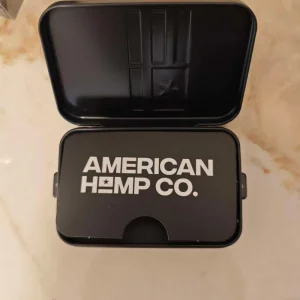
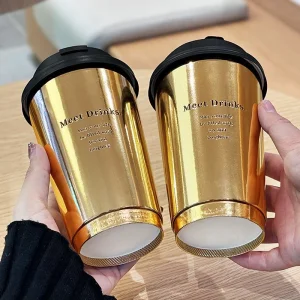
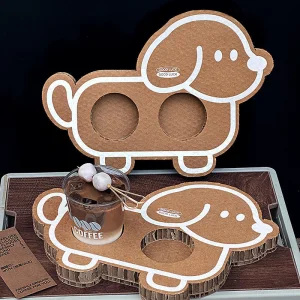
Established in 2017, Brightpack has evolved into a leading custom packaging manufacturer serving international brands. We provide comprehensive services from design consultation and material curation to high-precision printing, strict quality inspection, and international shipping support. Operating out of our 2,000㎡ production center with a team of 100+ packaging experts, we maintain strict manufacturing standards. Whether fabricating durable shopping bags, secure child-resistant packaging, or custom beverage cups, our facility delivers consistent, repeatable quality.
Premium fashion houses require heavy-weight papers (ranging from 180 to 250 gsm) combined with interior cardboard reinforcements at the base and turn-top. Finishing treatments like matte varnishing, hot foil stamping, and woven cotton ribbons provide a premium, luxury feel.
Food-contact bags demand greaseproof liners, moisture-resistant barriers, and durable construction. Utilizing compostable kraft materials and non-toxic, odorless water-based inks ensures product freshness while matching ecological guidelines.
For promotional giveaways, packaging must be lightweight and cost-efficient while featuring high-impact graphics. Reinforced paper twist handles and bold, full-bleed CMYK printing maximize logo visibility across busy exhibition halls.


Specialized in export-oriented packaging design, we conform to regional regulations in 50+ countries, including EU REACH, US FDA 21CFR food-contact rules, and IPPC wood-component processes, mitigating customs delays.

Equipped with CNC automatic die-cutting lines (tolerances within ±0.5mm) and high-resolution HD printing setups (resolutions up to 1200dpi), we reliably produce complex box structures, custom laminations, and security foils.

From auditing FSC-certified material mills to executing drop tests, shipping vibration tests, and humidity stress simulations across 15 checkpoints, we maintain a product defect rate under 0.5%.

Operating a 2,000㎡ facility paired with an integrated supplier network, we offer 3-day rapid sampling, 7-day small batch production, and a 98% on-time delivery rate for volume orders exceeding 100,000 units.
Global plastic restrictions (such as the EU's Single-Use Plastics Directive) have accelerated the transition toward bio-based, circular packaging designs. Corporate procurement departments are actively shifting from standard polyethylene bags to recyclable paper variants, compostable bioplastics (like PLA), and reusable textile totes.
Modern sustainable bags are designed with circularity in mind. Manufacturers prioritize unbleached, FSC-certified kraft paper fibers that can be recycled multiple times without losing structural strength. Handholds are also transition from synthetic polyester ribbons to natural organic cotton, twisted paper handles, or die-cut slots integrated directly into the bag body. This design makes the entire bag single-stream recyclable, removing the need for waste separation by the consumer.
Beyond material sustainability, custom retail bags are increasingly incorporating interactive smart features. Brands now print QR codes, NFC chips, or AR-trigger graphics using water-based inks directly onto the bag surface. This allows consumers to scan the bag to view trace information, verify material sourcing, access localized promotional campaigns, or learn about regional recycling programs.
Advanced industrial printing methods, including digital short-run printing and high-speed flexographic presses, allow brands to execute complex customization options without paying premium setups fees. This flexibility enables businesses to align their packaging with seasonal marketing campaigns, regional design variations, or event-specific aesthetics, enhancing the efficiency of marketing investments.
Published: 25-05-21
Explore how customized tactile experiences and premium surface finishes can transform basic shopping utilities into active brand assets.
Published: 25-05-13
A deep look into the structural design choices, certifications, and printing processes driving modern circular packaging initiatives.