The global commercial landscape is undergoing a systemic transition from a linear "take-make-dispose" economy to a closed-loop circular packaging ecosystem. Multi-national corporations, logistics conglomerates, and direct-to-consumer (D2C) brands are actively restructuring their supply chain parameters to meet aggressive Scope 3 carbon emission reduction mandates. In this context, industrial shipping supplies are no longer treated as secondary logistics costs but as primary levers for brand equity preservation and environmental compliance.
Across North America and Western Europe, legislative frameworks such as Extended Producer Responsibility (EPR) laws and the European Union’s Packaging and Packaging Waste Regulation (PPWR) are forcing enterprises to source shipping consumables with documented, certified end-of-life cycles. From post-consumer recycled (PCR) corrugated paperboard to bio-based compostable films, the demand for high-performance, structurally sound green alternatives has surged. The challenge for modern purchasing officers lies in securing supply chain partners capable of offering scalability, material traceability, and regulatory compliance without compromising structural load-bearing capacity during transit.
Moreover, the integration of smart logistics and custom dimensions has redefined standard packaging configurations. Industrial designers now leverage CAD systems to minimize volumetric weight, thereby optimizing shipping cube utilization and lowering transport emissions. Sourcing from certified manufacturers equipped with advanced material engineering capabilities allows global enterprises to achieve up to a 40% reduction in plastic tax liabilities while concurrently refining their carbon accounting metrics.
Since its establishment in 2017, Brightpack has evolved into a leading manufacturer specializing in premium custom packaging solutions for global markets. We combine functional design, high-quality materials, and advanced production to create packaging that elevates brand identity and meets strict international standards.
Our comprehensive, one-stop service covers every stage of the lifecycle: from initial design consultation, rigorous material testing, and customized high-definition printing, to strict quality control checkpoints, international logistics coordination, and compliance support. Backed by a 2,000㎡ modern manufacturing facility and a dedicated team of over 100 skilled professionals, we ensure absolute precision, operational efficiency, and long-term reliability in every order.
Whether you require high-end luxury gift boxes, eco-friendly corrugated packaging, or regulatory-compliant industry-specific solutions, our persistent commitment to green manufacturing processes makes us your trusted enterprise partner for global packaging success.
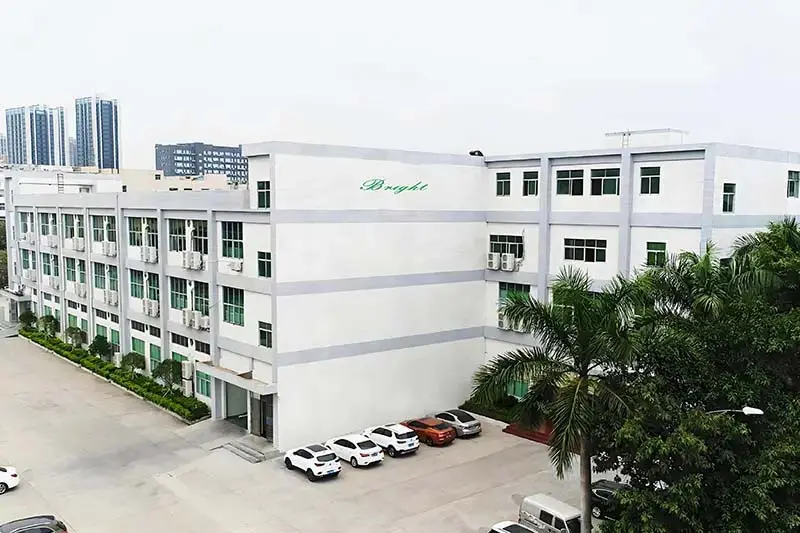
Sourcing eco-friendly shipping supplies from China offers global enterprises unparalleled advantages in terms of manufacturing scale, technical sophistication, and supply chain integration. The industrial clusters in China's packaging sector allow factories to access raw materials, specialized tooling, and advanced surface-finishing technologies within tight geographic corridors. This structural efficiency translates directly to shorter lead times, highly competitive unit costs, and rapid prototyping capabilities that Western suppliers rarely match.
A primary differentiator is the rapid integration of high-speed automation in Chinese plants. Modern plants utilize automated die-cutting, high-speed folder-gluers, and digital color management systems that dramatically minimize manual errors. This level of automation is critical when manufacturing complex packaging, such as child-resistant boxes for specialty products or high-density food-grade beverage trays. Precision tolerances of ≤±0.5mm ensure that packaging interfaces seamlessly with automated filling lines at the buyer's facilities, eliminating jamming and maximizing downstream throughput.
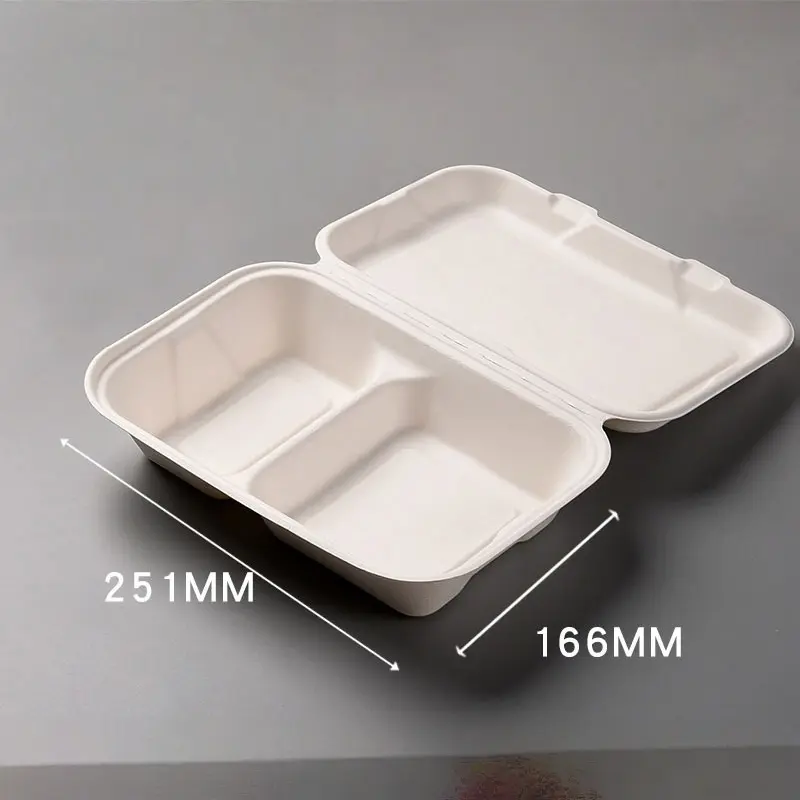
Furthermore, Chinese manufacturers are at the forefront of sustainable material research. By leveraging domestic agricultural waste structures, factories produce commercial-grade bagasse pulps, bamboo-derived paper products, and bio-based coatings that serve as excellent water and grease barriers. When combined with bulk freight optimization and mixed-consignment shipping options, sourcing from a consolidated Chinese manufacturer enables brands to drastically reduce total cost of ownership (TCO) while satisfying strict sustainability criteria.
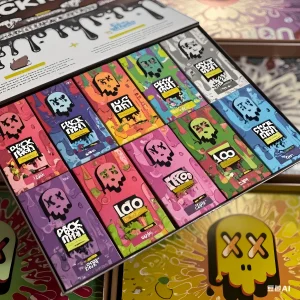
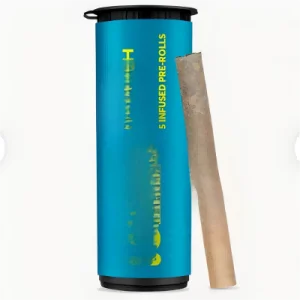
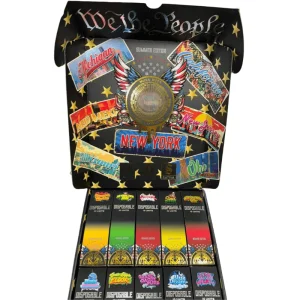
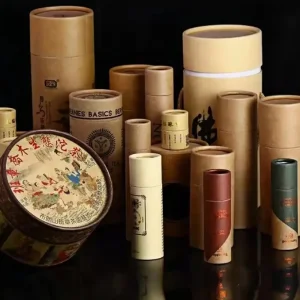
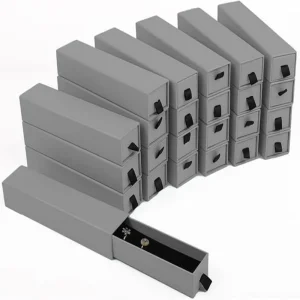
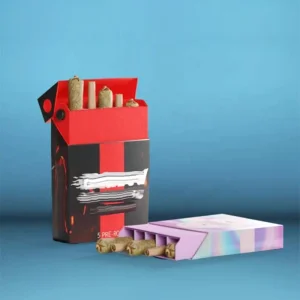
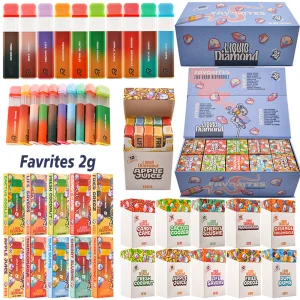
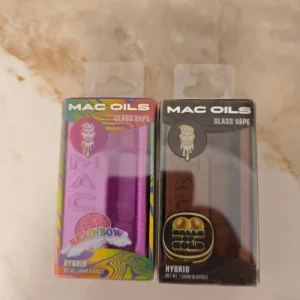
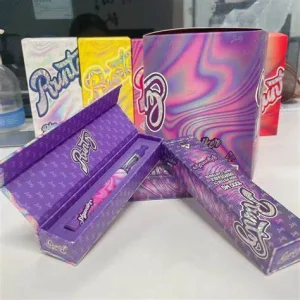
Environmental standards vary widely across global markets, requiring highly specialized local applications. For instance, the legalized cannabis and vape sectors in North America face complex regulatory compliance challenges. Packaging must balance child-resistance (under ASTM standards) with sustainable material choices. The industry's reliance on traditional single-use plastics has shifted focus toward custom paperboard drawers and push-up paper tubes. These alternatives are designed to degrade naturally, avoiding long-term plastic accumulation while protecting high-value concentrates and hardware from UV and humidity degradation.
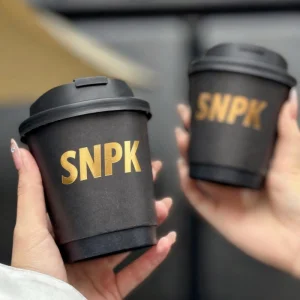
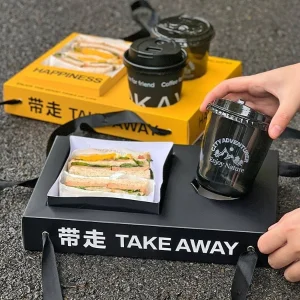
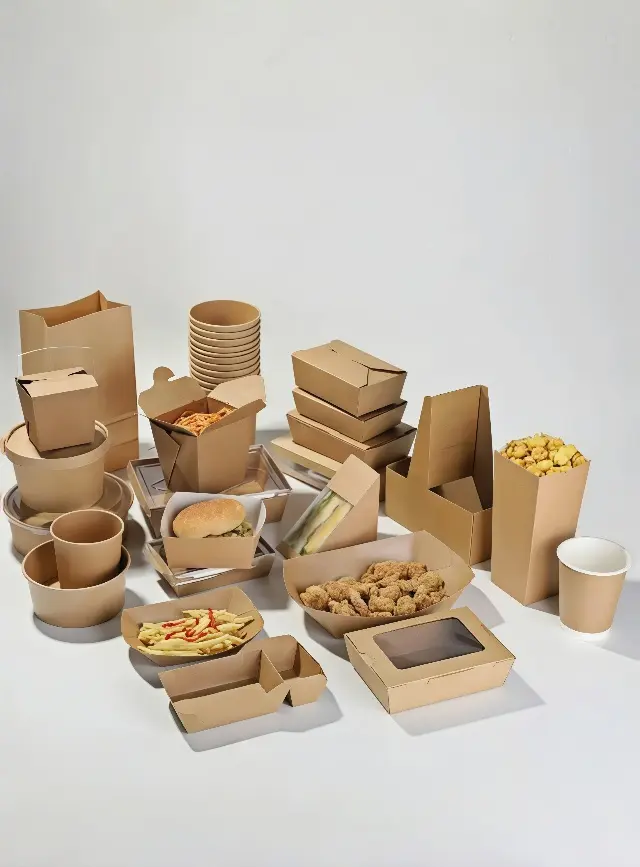
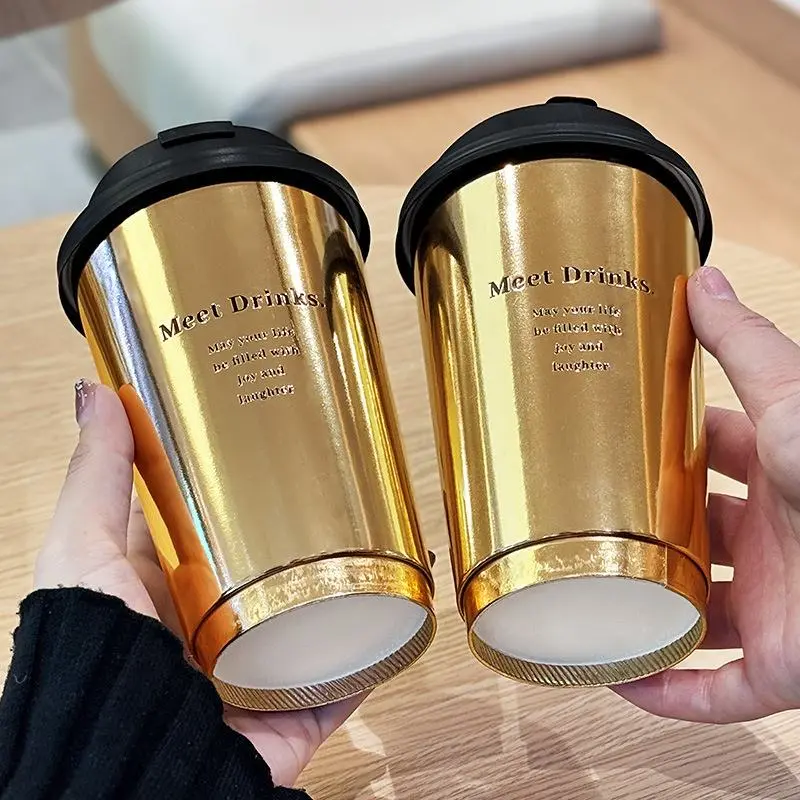
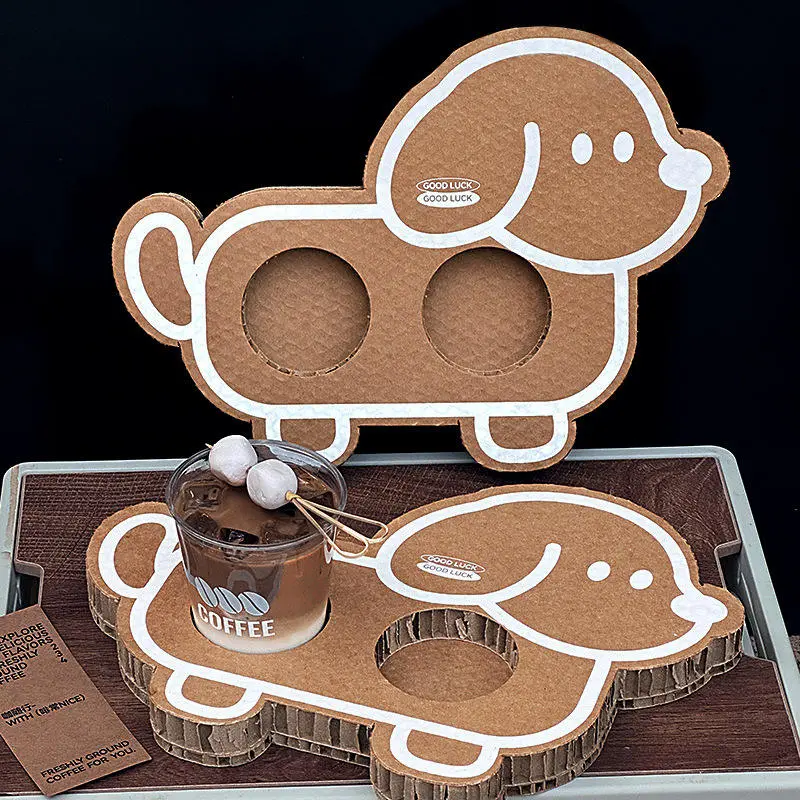
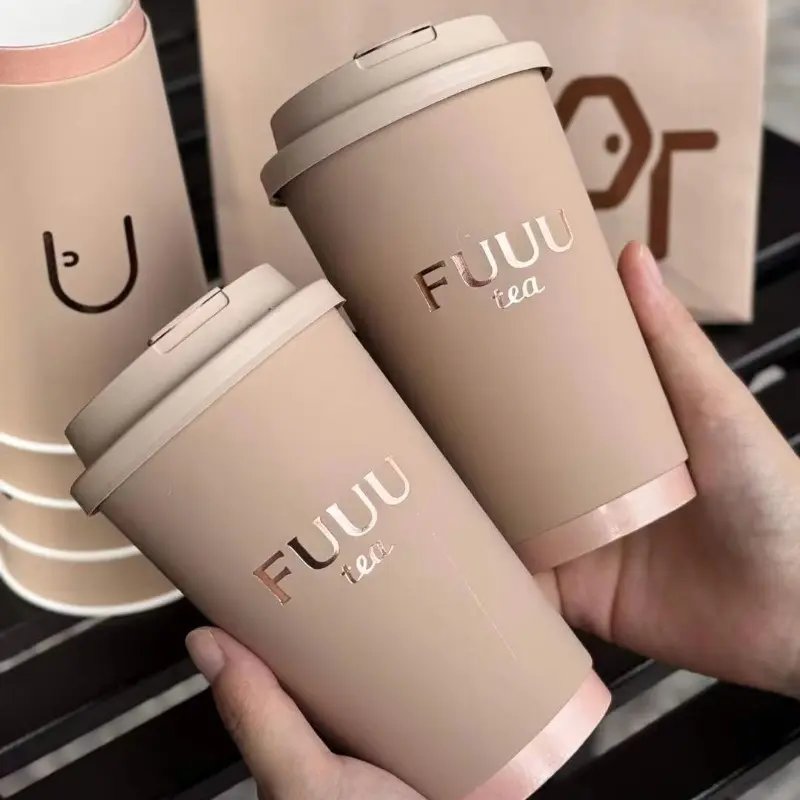
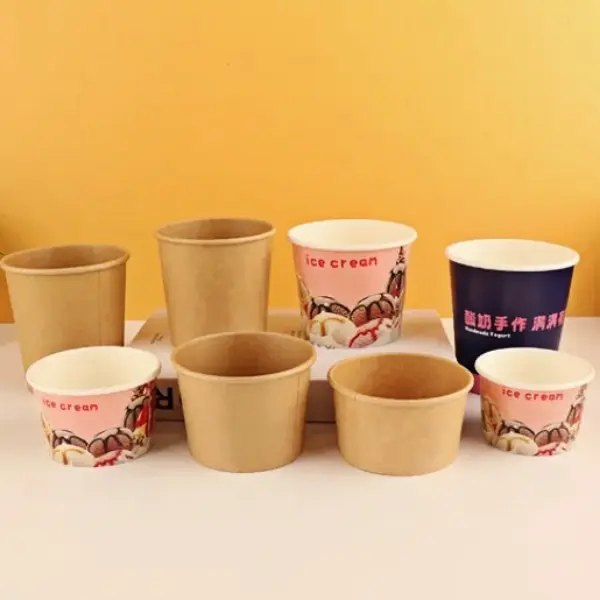
In urban food and beverage sectors across metropolitan regions, quick-service cafes and delivery platforms require high-performance, moisture-resistant packaging. Disposable paper coffee cups and beverage carriers must be engineered to resist liquid absorption without relying on standard LDPE laminates. Modern solutions utilize water-based dispersion barriers or sugarcane bagasse coatings, ensuring the cups remain fully recyclable or home-compostable. These properties align with local municipal green waste systems in regions like Northern Europe and California.
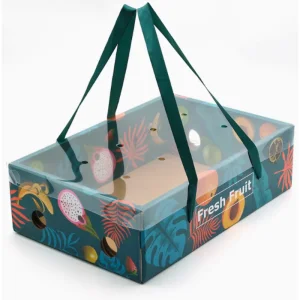
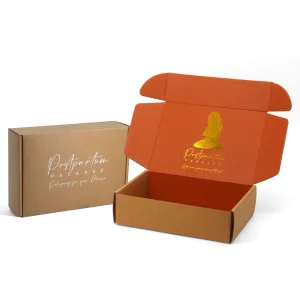
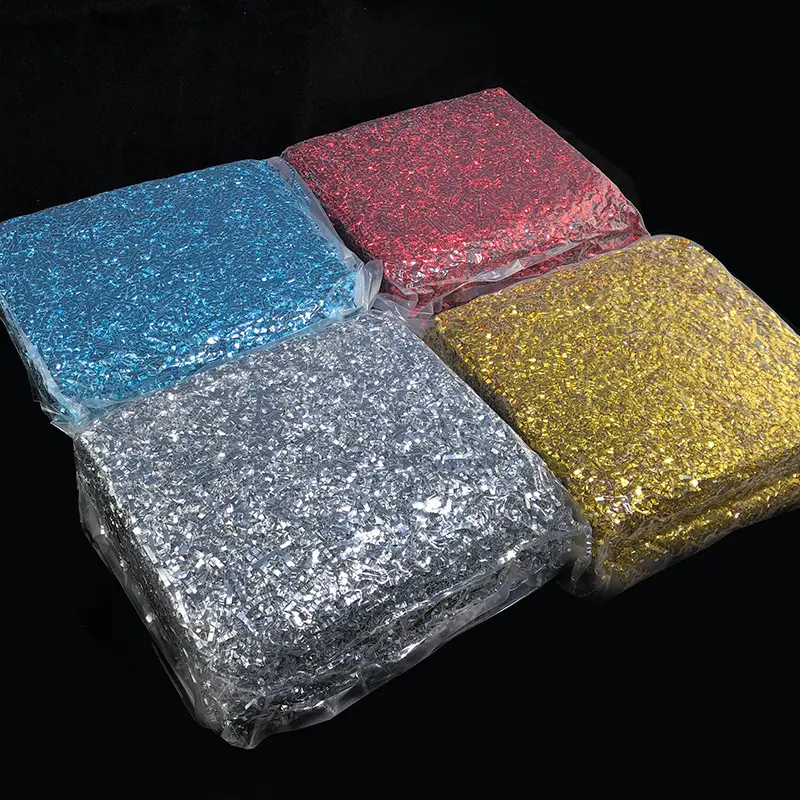
Additionally, high-volume e-commerce shipping requires structural reliability. Lightweight corrugated mailers designed with integrated double tear-strips facilitate seamless product returns and encourage reuse. When combined with biodegradable void fillers like crinkle paper shred, brands can eliminate plastic bubble wrap completely. This shift simplifies recycling for the end consumer and lowers the total shipping weight, reducing courier freight charges.
FSC-certified food grade materials designed for temperature retention and moisture resistance, offering premium functionality for global quick-service systems.
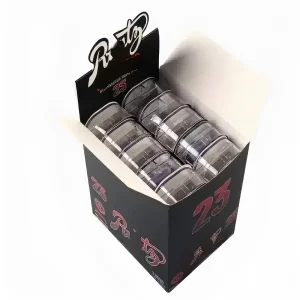
Luxury rigid boxes with magnetic closures designed with structural foldability to reduce ocean freight space requirements by up to 70% while maintaining premium retail presentation.
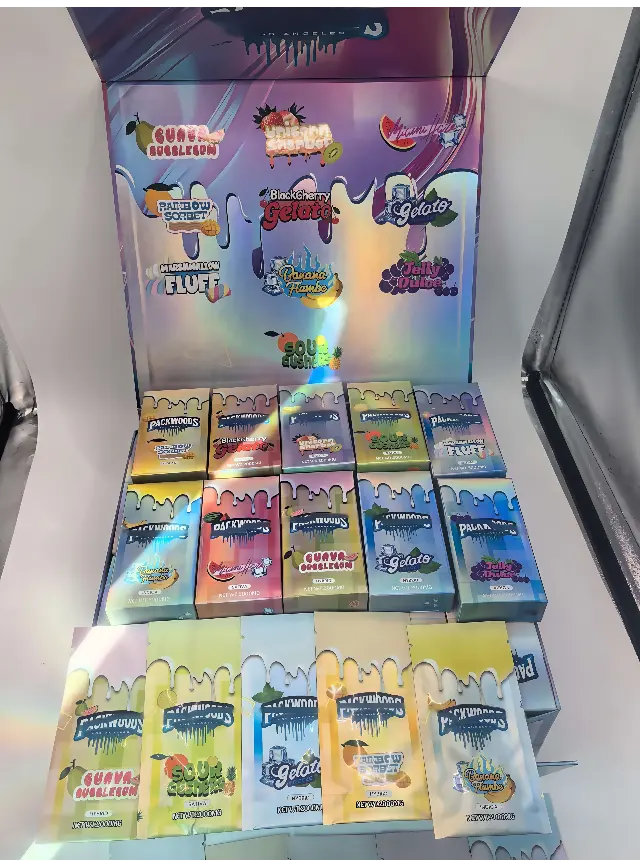
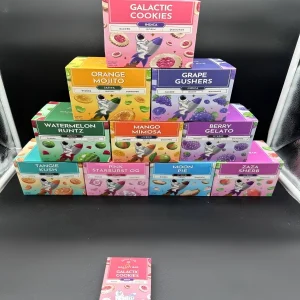
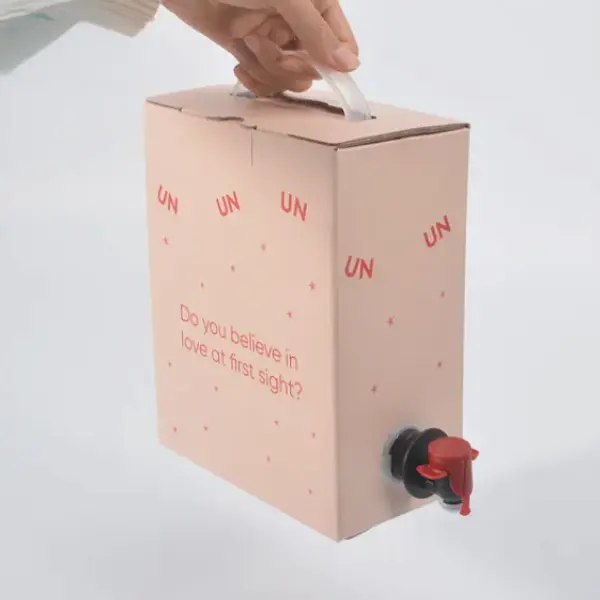
Reinforced biodegradable kraft and recycled fibers customized with eco-friendly soy inks, optimizing retail brand touchpoints and sustainable messaging.


Specialized in export-oriented packaging design, we’ve studied regulations of 50+ target countries/regions (e.g., EU REACH for packaging materials, US FDA 21CFR for food-contact items). For example, when handling wooden-component packaging, we strictly apply the IPPC marking process. By pre-resolving 90% of potential customs clearance risks in the design phase, we ensure smooth overseas shipping, saving you from costly delays.
Backed by advanced die-cutting (tolerance ≤±0.5mm) and HD printing (resolution up to 1200dpi) equipment, we master complex structures like auto-lock bottom folding boxes and luxury rigid boxes with lids. For high-end brands, our holographic anti-counterfeiting + embossing processes can boost brand perceived value by 35%, accurately translating your brand identity into packaging.
From sourcing FSC-certified paper to using VOC-free inks, we control every material. In finished product testing, we simulate 10+ transportation scenarios (ocean shipping vibration, air freight drop tests). Each batch goes through 15 inspection checkpoints, achieving a defect rate of less than 0.5%, far below the industry average of 3%.
With a 2,000㎡ owned factory and a 3-tier outsourcing network, we offer:
Small batches: 3-day sampling, 7-day mass production.
Large orders: 98% on-time delivery for 100,000-unit orders, thanks to lean production scheduling. This agility matches your business expansion, whether you’re testing new markets or scaling up globally.
The global packaging sector is evolving beyond basic material substitution. The primary focus of modern sustainable packaging is lifecycle optimization. Leading organizations prioritize source reduction—re-engineering packaging structures to use less material while maintaining performance. Corrugated boards are now built with high-density fluting designs that decrease overall paper weight by up to 20% without reducing edge crush test (ECT) values. This reduces material costs and lowers fuel consumption throughout transit pipelines.
Another major trend is the development of mono-material packaging designs. Traditional shipping envelopes and boxes often combine plastic film window linings, metal foil stamps, and fiber boards, making them difficult to recycle. Modern manufacturers resolve this by producing pure paper-based packaging with water-soluble coatings. This allows the end-user to recycle the entire package in local curbside paper bins, simplifying disposal and improving recovery rates.
Simultaneously, the demand for smart, trace-able supply chains is rising. Enterprises require certified transparency, preferring manufacturers with FSC (Forest Stewardship Council) and ISO certifications. This documentation helps brands verify that their packaging components are sourced from responsibly managed forests, protecting them against greenwashing accusations and regulatory audits in key international markets.
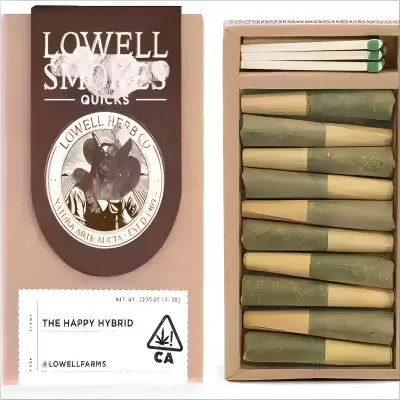
Are you ready to take your product presentation to the next level? Discover how custom sustainable structures elevate unboxing experiences and strengthen brand value.
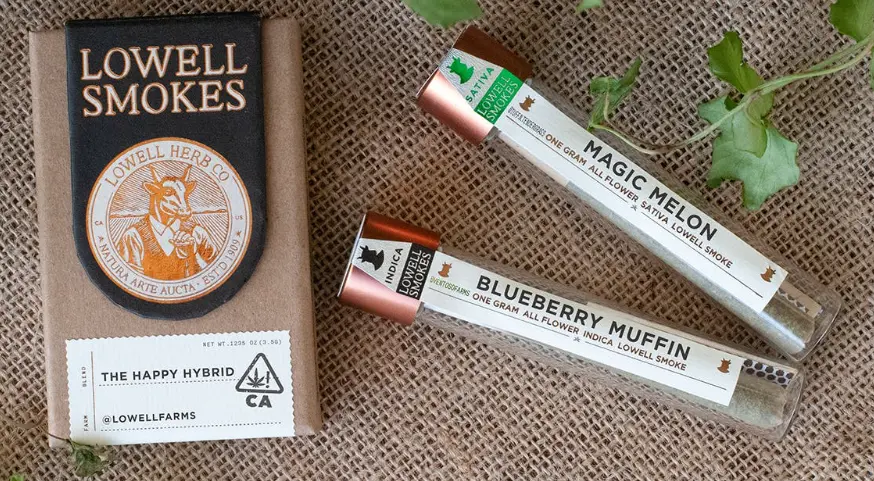
Exploring the visual and psychological impact of structural paperboard choices, spot UV, and sustainable soy-ink details on consumer brand trust.