
In today's integrated global supply chains, secondary and tertiary packaging are no longer treated as mere containment elements. They serve as critical components for brand preservation, anti-counterfeiting, and ecological stewardship. Globally, consumer behavior changes and fast-changing national guidelines are reshaping B2B sourcing requirements. Organizations must align with factories that balance high-throughput production with agile customization capabilities.
The growth in specialized consumer segments—such as organic food delivery, specialized cosmetics, wellness hardware, and vaporizers—demands high-performing barrier substrates and compliance-certified locking systems. As regulatory bodies implement stricter safety guidelines (including the European PPWR, US FDA 21CFR for direct food contact, and international Child-Resistant standards), brands face the task of vetting their industrial supply partners.
Standard rigid containers rely heavily on single-use petrochemical coatings to achieve moisture barriers. Our modern approach incorporates bio-polymer structures, aqueous coatings, and high-yield, FSC-certified fibers. This integration matches or exceeds the physical protection profiles of legacy packaging while avoiding long-term recycling issues.
By collaborating directly with specialized factory systems, enterprise clients reduce costs through vertically integrated paperboard manufacturing, state-of-the-art structural modeling, and optimized logistics configurations.
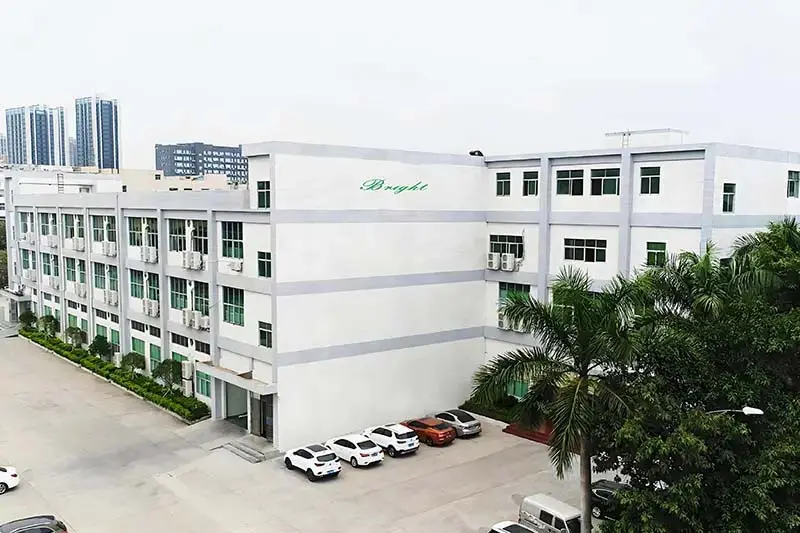
Since our establishment in 2017, Brightpack has evolved into a leading manufacturer specializing in premium custom packaging solutions for global markets. We combine functional design, high-quality materials, and advanced production techniques to create packaging that elevates brand identity while meeting international regulatory standards.
Our one-stop service covers every stage: from structural design consultation and material selection to high-definition printing, strict quality control, logistics coordination, and compliance support. Backed by a 2,000㎡ modern manufacturing facility and a dedicated team of 100+ skilled professionals, we maintain precision, efficiency, and reliability across all production runs.
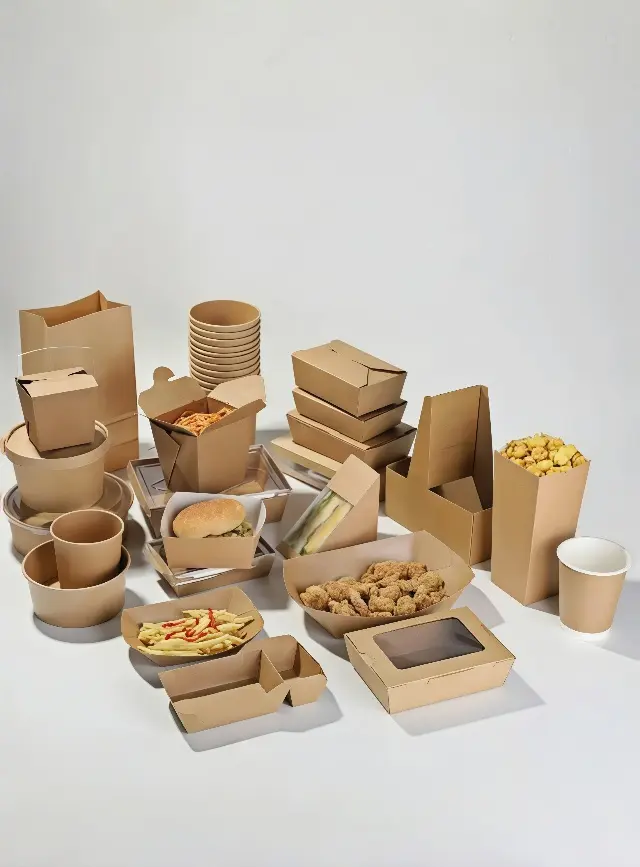
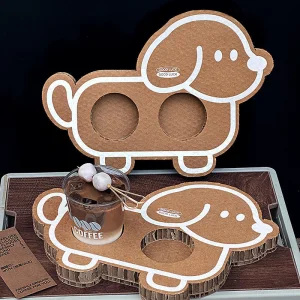
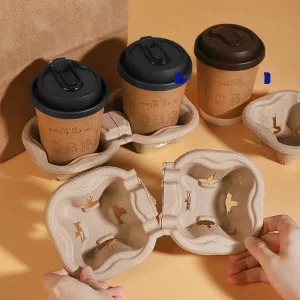
Biodegradable, leak-resistant, and certified for direct food-contact safety under strict international standards.
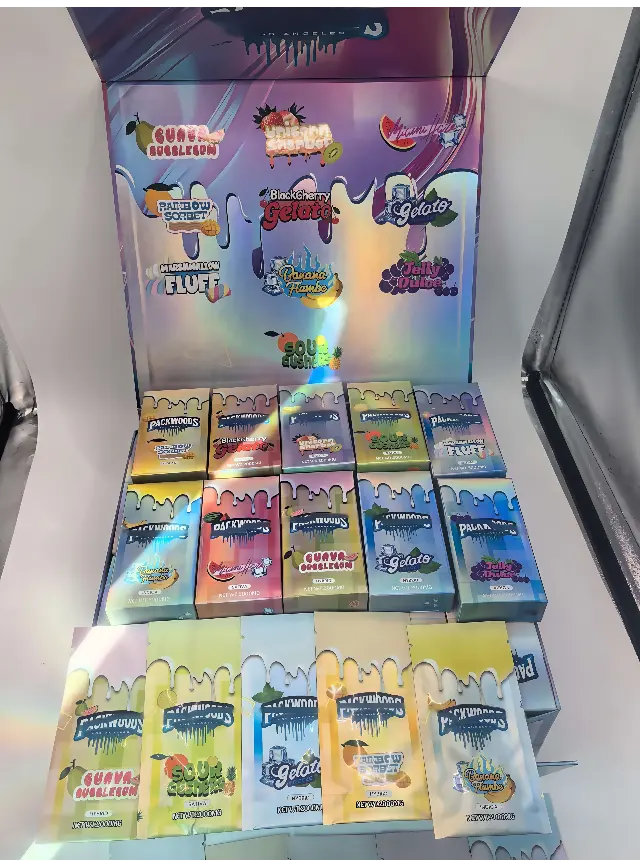
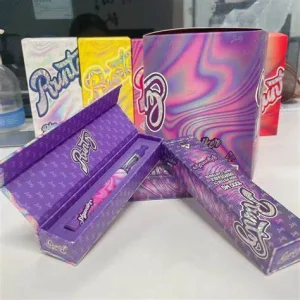
Space-saving, flat-packed designs with integrated magnetic closures, offering a premium unboxing experience.
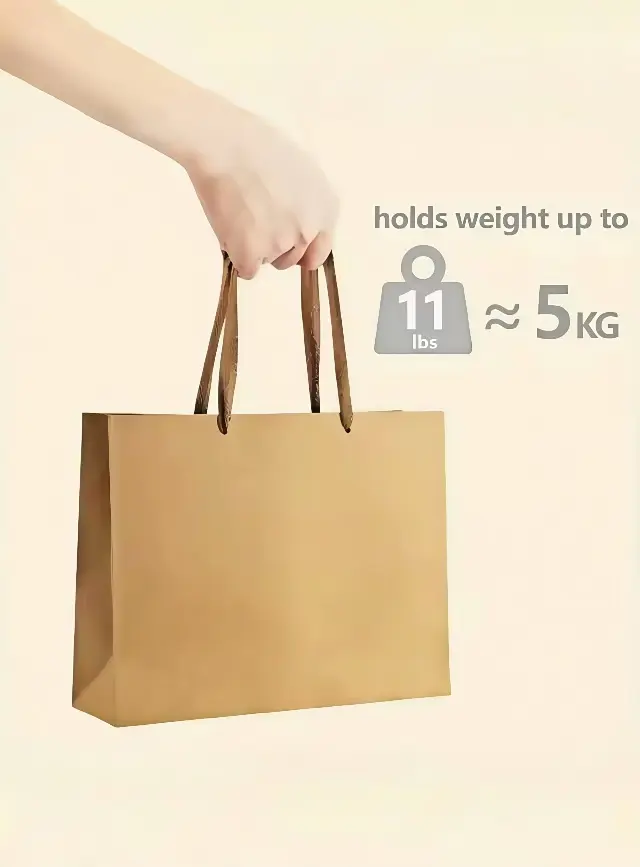
Eco-friendly Kraft paper and textile tote bags designed with high tensile strength for retail environments.


We analyze local regulations across more than 50 target markets, including EU REACH, US FDA 21CFR food safety criteria, and ASTM child-resistant standards. By identifying and resolving up to 90% of customs risks during the prototyping stage, we help minimize customs delays and clearance issues.

Our manufacturing capabilities utilize advanced die-cutting machines with precise tolerances (≤±0.5mm) and high-resolution printing setups (up to 1200 dpi). We create complex structural packaging, ranging from auto-lock bottom boxes to rigid gift sets, while also offering specialized print finishes like UV varnishes and hot foil stamping.

We work with quality-vetted raw materials, choosing FSC-certified wood pulp and eco-friendly vegetable-based inks. Our finished products undergo rigorous testing, including vibration simulations, drop tests, and high-humidity chambers. This structured process helps keep quality issues to a minimum.

With our modern production plant and a flexible network of raw material partners, we support various project scales. We offer quick prototyping turns and dependable production schedules for larger volume orders, helping you respond effectively to shifting market demands.
In the global packaging sector, maintaining supply chain continuity is vital. As international shipping corridors face complex pressures, working with a structured supplier who can navigate logistical changes is crucial. Our operations manage this risk by using advanced resource planning software and maintaining strategic raw material reserves.
Our manufacturing facilities are positioned near major logistics hubs and ocean terminals. This proximity helps us optimize land transit times, streamline export clearances, and minimize inland container delays. By keeping close connections with raw material providers, we secure steady access to core paperboard grades (such as SBS, FBB, and recycled Kraft) even during seasonal peak demands.
Our supply chain structure includes a multi-tiered backup material supply network. If a primary paper mill experiences unexpected downtime, we can shift production runs to alternative qualified mills within 48 hours without compromising core material quality. This flexibility helps protect clients from sudden market delays.
Modern packaging must balance environmental responsibility with functional protection. Standard packaging often uses laminated plastic layers to keep out moisture and oil, but these coatings make standard recycling facilities difficult to use. Our research focuses on high-performance biodegradable alternatives.
We utilize eco-friendly dispersion barriers and water-based coatings that break down during standard recycling processes. These bio-polymer coatings provide strong protection against moisture vapor transmission (MVTR) and grease penetration, making them suitable for takeaway food containers, cosmetics, and dry goods packaging.
A common challenge for global retail brands is meeting different regional regulations. A design that is fully compliant in North America might face customs issues in the EU due to variations in local recycling rules. Our engineering team designs with regional compliance requirements in mind.
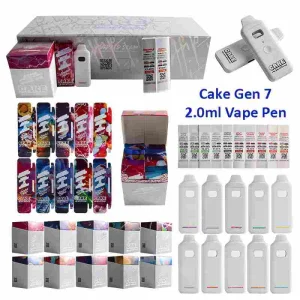
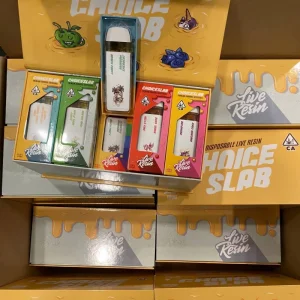
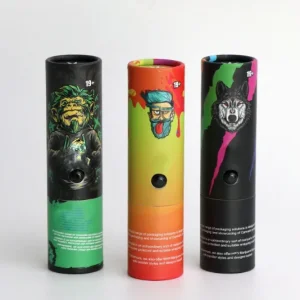
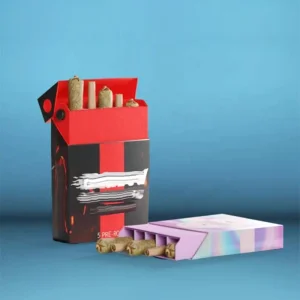
In North America, child-resistant (CR) properties are vital for regulatory compliance. Under the Poison Prevention Packaging Act (PPPA) and ASTM D3475 standards, products like vaporizers, concentrates, and medical items require certified packaging structures. Our CR locking configurations employ dual-action release mechanisms that pass child safety tests while remaining easy for adults to open.
For European markets, we design around waste-reduction goals. Our single-material structures help clients avoid multi-layer material taxes. We also make sure wood-based components comply with IPPC phytosanitary treatment rules, helping goods move smoothly through international ports.
With the growth of direct-to-consumer delivery, packaging must survive various mechanical sorting steps. We analyze parcel drop forces to optimize carton folds and corners. By strategically placing internal paper supports, we can improve box resistance to pressure while reducing overall material use by up to 15%.
The packaging factory of the future uses data-driven automation. We are upgrading our production lines by integrating automated quality checks that spot printing and cutting variations in real-time.
Our technology development focuses on smart packaging integration. By using printed QR codes and NFC chips on standard box designs, brands can track products through the supply chain and share authentication info with buyers. Additionally, we are testing plant-based inks that dry faster and emit fewer organic compounds, helping us reduce our energy use.
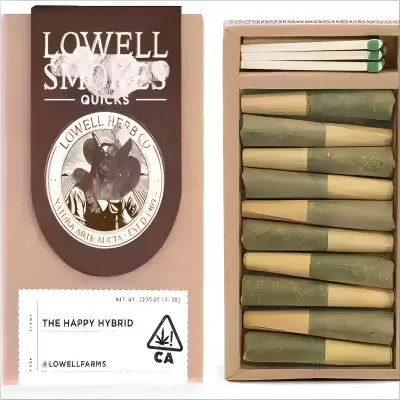
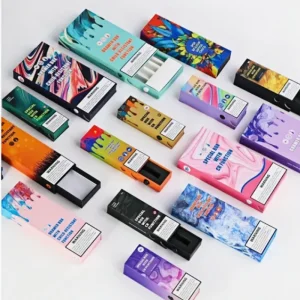
Explore how custom-shaped windows, holographic spot elements, and textured stocks can help retail items stand out on store shelves.
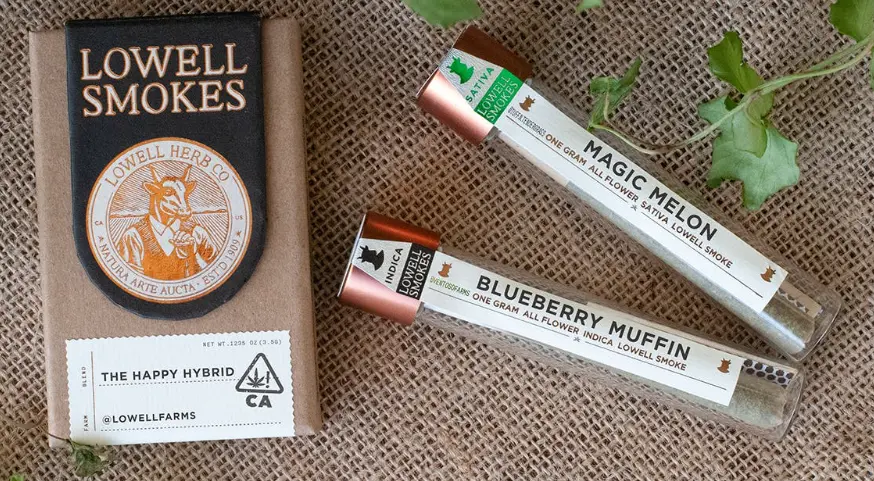
Learn how to align structural packaging choices with your brand messaging through eco-conscious design options and premium finishes.
Gain insights into regulatory changes, eco-friendly material alternatives, and global logistical optimization strategies.
Request PDF Copy