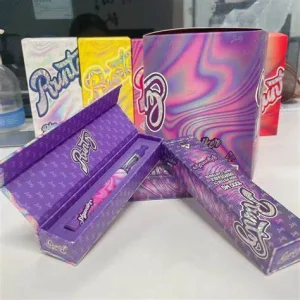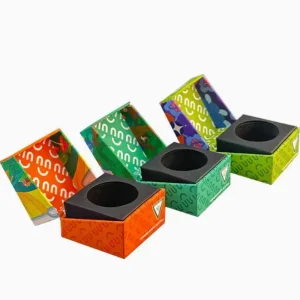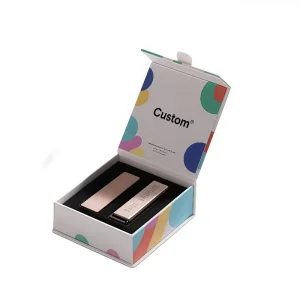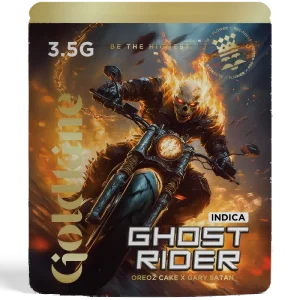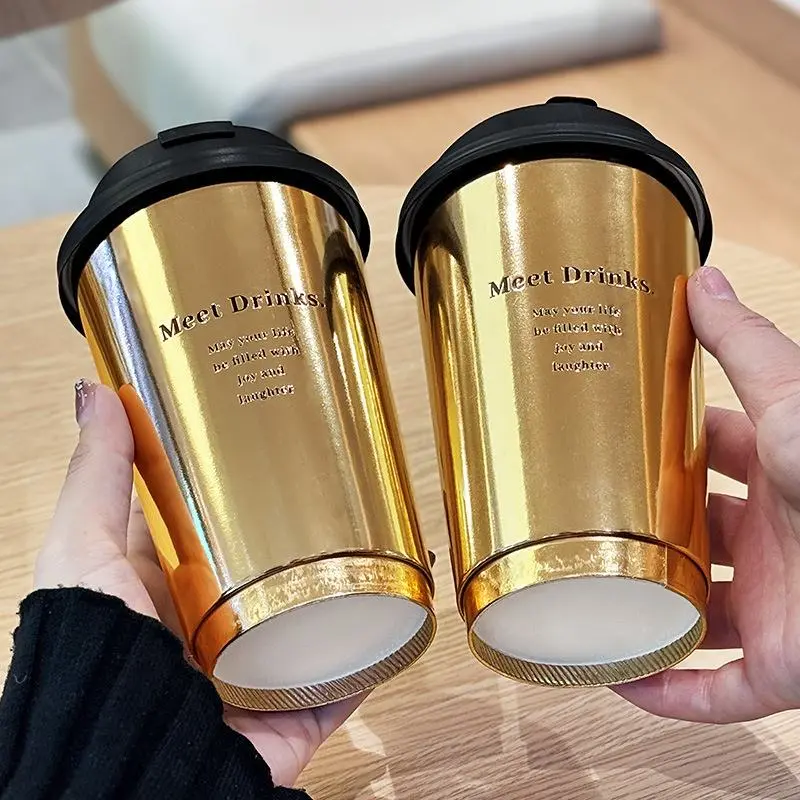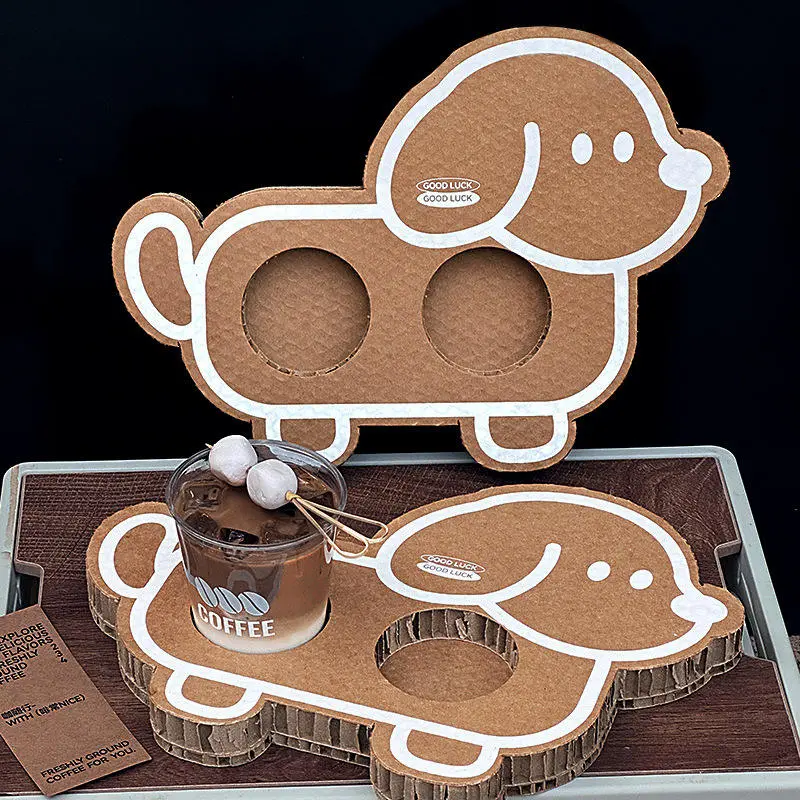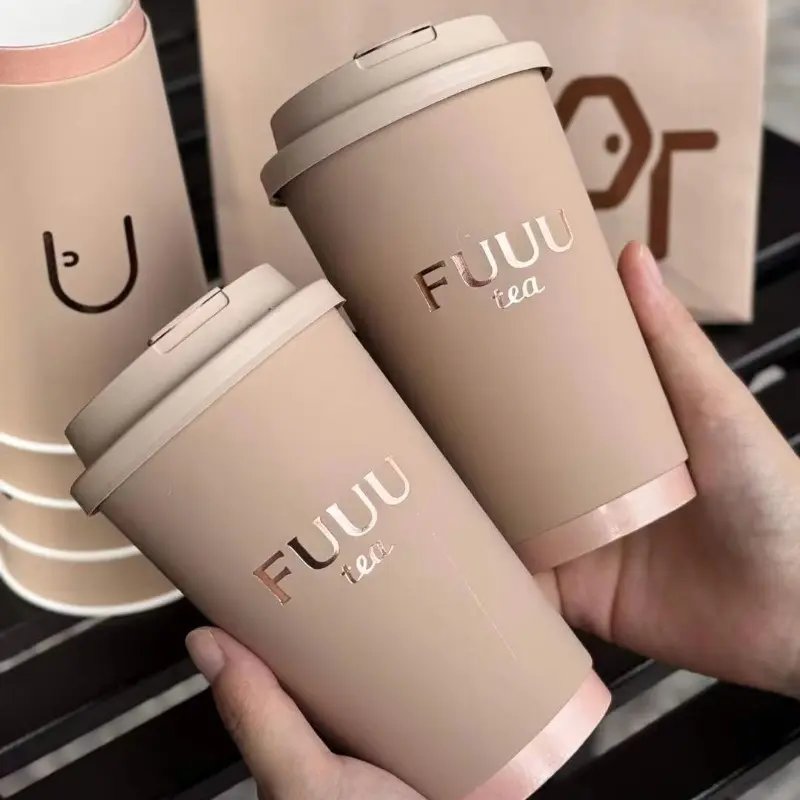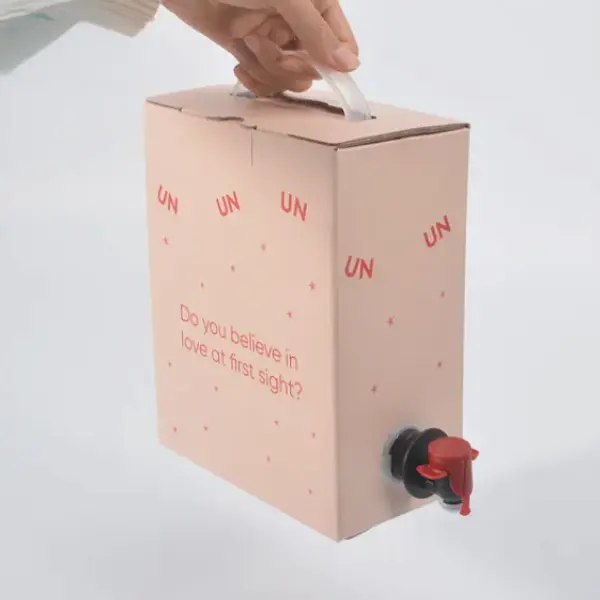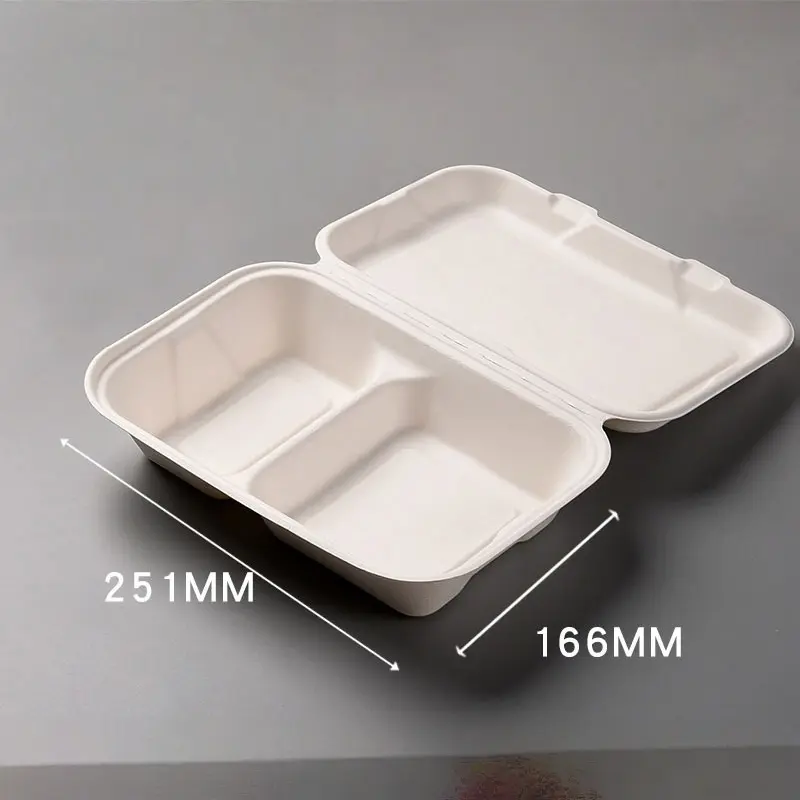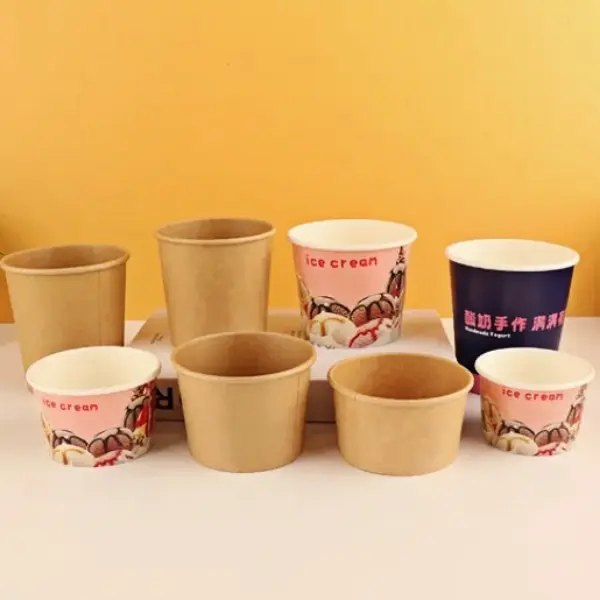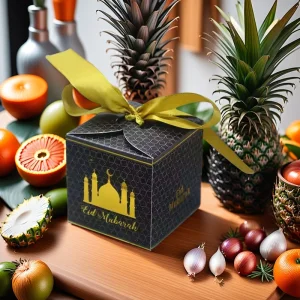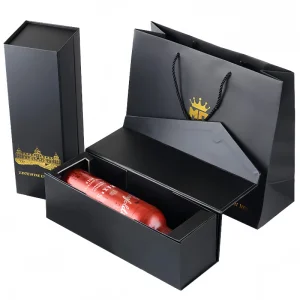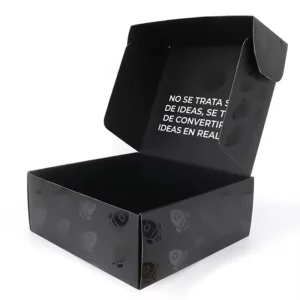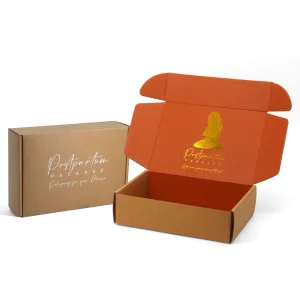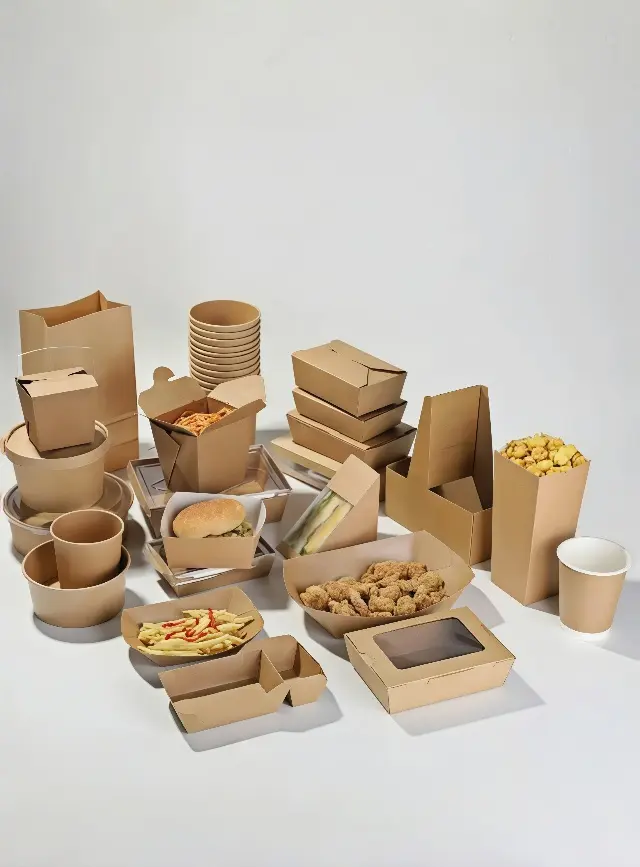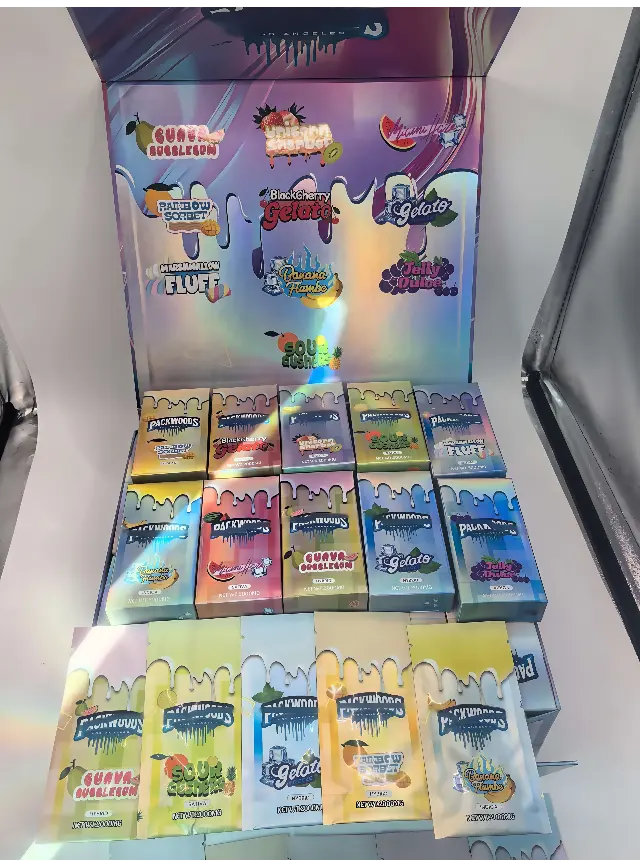
Explore our custom luxury boxes, structural corrugated configurations, and specialized industry solutions engineered for maximum product safety and brand impact.
In global trade, the cardboard box acts as the primary vascular system of commerce. The modern corrugated container is a highly engineered composite material designed to protect value across harsh intercontinental shipping channels. Standardized testing frameworks like the Edge Crush Test (ECT) and the Mullen Burst Test govern how these structures behave under stack pressure and handling impacts.
From retail-ready shelf displays to heavy-duty double-wall transit shipping systems, packaging must align with both structural demands and regulatory policies. The emergence of the European Union Packaging and Packaging Waste Regulation (PPWR) and US Extended Producer Responsibility (EPR) laws has forced global brands to abandon excessive sizing and non-recyclable linings. This shift makes direct partnership with certified OEM cardboard box factories essential for long-term supply chain compliance.
The durability of an OEM standard cardboard box relies on its flute architecture and paper grammage. The corrugated medium is sandwiched between linear sheets using starch-based adhesives, creating a rigid structure. The choice of flute profile directly impacts compression strength and cushion performance:
| Flute Type | Flute Thickness (mm) | Flutes per Linear Meter | Primary Application Matrix |
|---|---|---|---|
| A-Flute | 4.0 - 4.8 mm | 105 - 125 | Industrial cushioning, heavy-duty stacking support. |
| B-Flute | 2.5 - 3.2 mm | 150 - 185 | Counter displays, retail packaging, puncture-resistant boxes. |
| C-Flute | 3.6 - 4.2 mm | 120 - 145 | Standard shipping cartons, general retail distribution. |
| E-Flute | 1.1 - 1.6 mm | 290 - 320 | High-resolution graphics printing, cosmetic packaging boxes. |
| F-Flute | 0.7 - 1.0 mm | 390 - 420 | Ultra-thin luxury retail, premium folding gift boxes. |
For critical shipping tasks, dual-wall and triple-wall combinations (e.g., BC flute or AAC flute) are engineered to withstand vertical pressures exceeding 1,200 kg. Standard kraft paper options range from 120 gsm to 450 gsm. Premium packaging projects often use virgin fibers for high tensile strength, while sustainable consumer campaigns utilize recycled Testliner to meet environmental targets.
The cardboard manufacturing industry is shifting towards digitalization and green chemistry. We are integrating advanced technologies into our manufacturing pipeline to support high-performance OEM requirements:
Using high-precision CAD packaging software to optimize folding geometry, reduce waste by up to 18%, and run structural finite-element simulations.
Developing bio-derived barrier coatings that resist oil and water moisture without relying on polyethylene (PE) plastics, ensuring easy paper recycling.
Embedding printable RFID chips and localized thermal-tracking QR codes directly into standard corrugated flutes for real-time supply chain monitoring.
China remains a leading source for high-quality packaging manufacturing. The industrial clusters in Guangdong and Zhejiang bring together raw pulp production, color calibration labs, and shipping infrastructure in one place. This concentration allows us to run a lean, responsive production line:
Our proximity to major domestic paper mills guarantees stable access to FSC-certified materials, shielding our clients from global fluctuations in pulp costs.
Our 2,000㎡ facility uses automated die-cutters, high-speed inline folder-gluers, and multi-color flexographic printing machines that keep dimensional tolerances within a precise ≤±0.5mm.
Located near major shipping ports, we export directly to global markets. We handle all pre-export certifications, ensuring smooth customs clearance through standard compliance steps.
Consumers all over the world use our products to relax, think, and be happy
Standardized sizing does not mean one-size-fits-all. Different industries require specific structural properties to protect products throughout the distribution cycle:
Electronics and Fragile Goods: Requires high puncture resistance and ESD (electrostatic discharge) protective coatings. In these applications, E-flute and double-wall B-flute systems are used alongside precision-molded pulp or custom EVA/PE foam inserts to lock products in place and absorb drop impacts.
Cold Chain & Agriculture: High humidity in cold chain shipping can soften standard paper fibers. We apply wax-free moisture-resistant barriers and water-resistant resins during the pulping stage, ensuring containers retain their shape and strength in wet environments.
Our step-by-step workflow ensures each batch meets exact customer specifications, moving from the initial concept to global delivery:
We align on physical specifications, load limits, transit conditions, and regulatory compliance targets (such as FDA or EU standards).
Our structural engineering team designs dielines and optimizes layout efficiency using CAD software.
Choose from virgin kraft, high-ECT recycled board, and specialized barrier liners to balance cost and performance.
We create a physical prototype to test drop performance and fit before starting full production.
Color proofs are calibrated using the Pantone Matching System to guarantee uniform branding across production runs.
High-resolution offset, flexographic, or digital printing is executed using VOC-free soy inks.
Enhance appearance and wear resistance with processes like matte lamination, UV coating, hot foil stamping, or custom embossing.
Flat sheets are run through high-speed rotary die-cutters to cut and crease clean edges for easy final assembly.
Every batch is checked against key metrics, including moisture levels, glue strength, and ECT ratings.
Finished boxes are flat-packed, palletized, and wrapped in moisture-barrier film for secure international transit.
Brightpack combines design, clean production, and quality control to deliver premium packaging solutions. Operating from a modern facility with a team of experienced specialists, we focus on reliable delivery for businesses worldwide.
Compliance-First Engineering: Our designs comply with regional regulations like EU REACH and US FDA food contact rules. We address potential custom clearance challenges early in the design stage, helping to prevent shipping delays.
Flexible Supply Chain: Supported by our central facility and a verified partner network, we manage low-MOQ trial orders as well as high-volume production, maintaining on-time delivery across all projects.
Premium Custom and OEM Packaging Products Optimized for Global Brands and Secure Distribution
Answers to common technical, material, and logistical questions for B2B procurement managers.
The Edge Crush Test (ECT) measures the vertical stacking strength of corrugated board, showing how much load a box can support in transit. The Mullen Bursting Test measures the pressure required to puncture the face of the board, indicating its resistance to rough handling and internal shifting.
We use Pantone matching alongside spectral colorimeters to maintain color consistency. Our offset and flexographic printing lines are calibrated to strict target profiles, keeping variance (ΔE) below 2.0.
Yes. We offer aqueous water-based coatings that resist grease and moisture. These coatings biodegrade easily during standard paper recycling, avoiding the separation challenges of traditional polyethylene (PE) linings.
Our prototypes undergo ISTA (International Safe Transit Association) testing protocols, including ISTA 3A and 6-SAMSCLUB. Tests include vibration tables, drop tests, and compression chambers to simulate ocean freight transit.
We confirm materials comply with REACH, RoHS, FDA, and TSCA standards prior to production. For packaging involving wooden elements, we follow ISPM 15 standards and apply clear IPPC markings to prevent transit delays.
Sample cycles are typically 3 days. Production is completed within 7 days for small batches and 10 to 14 days for larger runs, depending on the design's structural complexity.