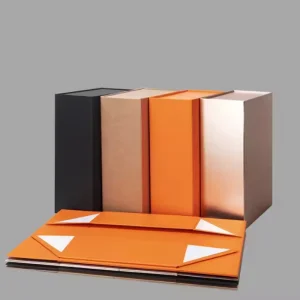

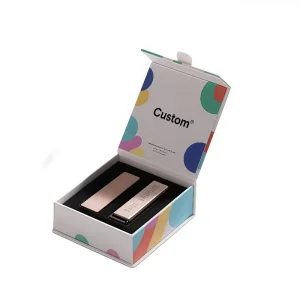
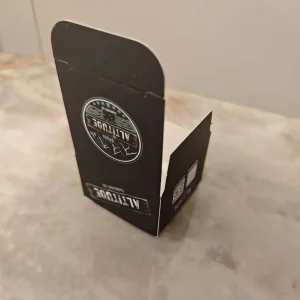
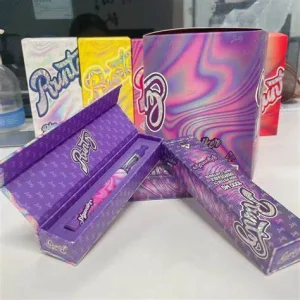


Macro Analysis: The Evolution of OEM Printed Rigid Packaging
The global luxury and premium packaging sector is undergoing a profound paradigm shift. The historical demand for simple containerization has transitioned into the requirement for high-end engineered architectures. Rigid cardboard setup boxes represent the pinnacle of this evolution. They combine structural permanence with high-fidelity sensory branding. According to recent global industrial research, the market value for printed rigid setup boxes is projected to scale significantly. This trajectory is driven by direct-to-consumer (DTC) premiumization, consumer electronics expansion, and strict international requirements for plastic-free, fiber-based alternatives.
For global brand managers, the packaging interface is no longer an auxiliary cost. It is a vital vector of Customer Lifetime Value (LTV) and first-contact retention. Industrial structural engineering determines whether a product arrives intact and defines the tactile and auditory feedback that signals luxury to the end consumer.
To operate a world-class OEM rigid box manufacturing program, factories must master mechanical engineering, chemistry, and print processes. From controlling the hygro-thermal equilibrium of heavy-gauge greyboard to optimizing the surface energy of specialty papers for hot-foil adhesion, every stage requires rigorous precision. This whitepaper explains the technical standards, production blueprints, and regulatory frameworks required to manage global supply chains for printed rigid packaging.