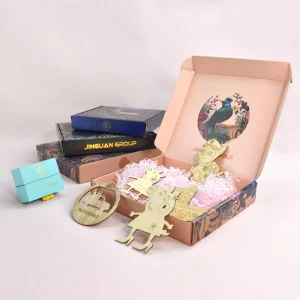
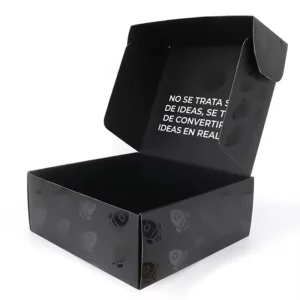
In the contemporary globalized publishing and eCommerce landscape, the demand for specialized OEM book cardboard boxes has grown rapidly. No longer viewed as mere vessels for transit, book wraps, mailers, and cardboard slipcases play a critical role in preserving physical products, mitigating logistical transit damage, and reflecting brand identity. Physical books—ranging from dense, heavyweight medical and legal reference guides to delicate high-value collectors' editions—suffer high rates of corner deformation and structural wear when packaged incorrectly. Publishers and distributors face high return rates (often between 8% to 15% in retail channels) due directly to cosmetic transit damages, including dented spines and torn dust jackets.
To counteract this, the industry has transitioned toward performance-rated corrugated structures. Using advanced single-wall (B-flute or E-flute) and double-wall configurations, cardboard book manufacturers customize packages according to structural compression formulas. B-flutes provide superior crush resistance and high puncture defense, making them ideal for heavy educational textbook shipping. Meanwhile, E-flutes provide a smoother print surface for high-density flexographical or lithographic printing, perfect for high-end graphic novels and designer photobooks that demand aesthetic premium shelf appeal from the moment they land on a consumer's doorstep.
Globally, strict environmental mandates and corporate sustainability targets are shifting choices away from foam void fills and plastic shrink wraps. Modern book logistics relies heavily on custom cardboard boxes equipped with variable-depth creases. These adapt to varying thickness profiles without requiring extra void fill, reducing volume charges in parcel distribution while satisfying international green standards. By utilizing 100% recyclable, FSC-certified fibers, book brands establish robust corporate environmental credentials while cutting down handling times in distribution warehouses.