

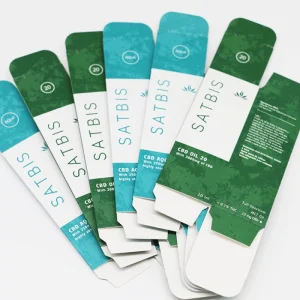
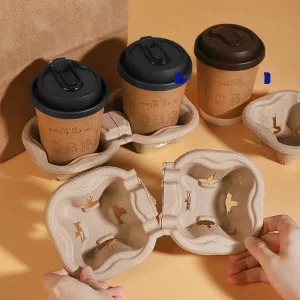
In the modern, high-speed global trade network, reseller packaging functions as a critical medium for supply chain optimization, brand scaling, and retail execution. The transition from off-the-shelf packaging components to dynamic, end-to-end ODM (Original Design Manufacturer) solutions is driven by two market currents: the rise of specialized e-commerce brands and the tightening of international packaging compliance standards. Resellers face the challenge of sourcing structures that combine visual distinctiveness, structural integrity, and regulatory alignment.
To maintain viability, global brand distributors and packaging resellers require high-caliber manufacturing partners capable of producing high-performance folding cardboard, corrugated structural displays, and high-barrier container configurations. Operating with multi-tiered production workflows, modern manufacturers leverage economies of scale to support private label distributors. The current global landscape demands localized supply agility combined with massive scale production capability. Advanced design and logistics platforms allow for regional customization of structural profiles, assuring that target markets in North America, the European Union, and Asia-Pacific receive packaging optimized for their unique handling, storage, and regulatory environments.
From child-proof mechanisms built into custom pharmaceutical and vaporizer packaging to food-contact-safe biodegradable fiber designs, the functional integration of technology within paperboard substrates represents the next wave of industrial development. Brands are no longer looking for simple protective shells; they demand intelligent packaging systems that mitigate transit damage, enforce environmental compliance, and maximize shelf visibility.
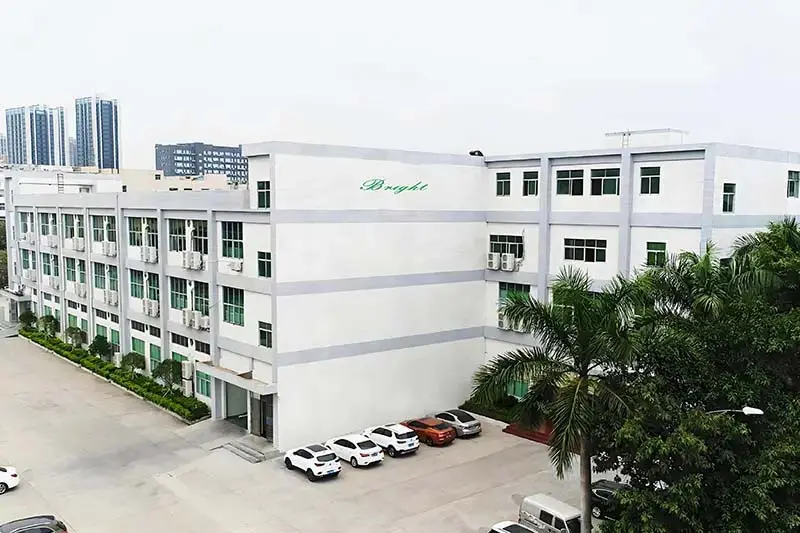
Since its establishment in 2017, Brightpack has evolved into a leading manufacturer specializing in premium custom packaging solutions for global markets. We combine functional design, high-quality materials, and advanced production to create packaging that elevates brand identity and meets international standards. Our one-stop service covers every stage from design consultation, material selection, and custom printing to strict quality control, logistics coordination, and compliance support. Backed by a 2,000㎡ modern facility and a team of 100+ skilled professionals, we ensure precision, efficiency, and reliability in every order.
Years Experience
Factories
m² Facility
Employees
Packaging engineering is no longer simply about visual graphics; it is a discipline focusing on protective performance, environmental sustainability, and material efficiency. As global plastic-reduction initiatives grow, paperboard, corrugated kraft, and sugarcane bagasse substrates are replacing synthetic barrier plastics. The technical engineering of these bio-derived structures requires advanced fiber processing to achieve high burst strength, puncture resistance, and printability.
For transit and display, structural design optimization reduces total material weight by up to 22% while maintaining top-load stacking capacities. Utilizing advanced finite element analysis (FEA) on packaging structures, engineers evaluate stress distribution along scores and creases, refining flute geometry (from coarse A-flutes to ultra-thin micro-flutes like E and F-flutes) to match target product weights.

Specialized in export-oriented packaging design, we’ve studied regulations of 50+ target countries/regions (e.g., EU REACH for packaging materials, US FDA 21CFR for food-contact items). For example, when handling wooden-component packaging, we strictly apply the IPPC marking process. By pre-resolving 90% of potential customs clearance risks in the design phase, we ensure smooth overseas shipping, saving you from costly delays.


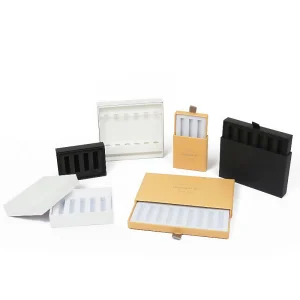
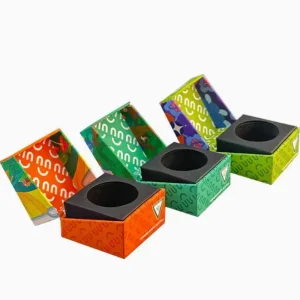
Backed by advanced die-cutting (tolerance ≤±0.5mm) and HD printing (resolution up to 1200dpi) equipment, we master complex structures like auto-lock bottom folding boxes and luxury rigid boxes with lids. For high-end brands, our holographic anti-counterfeiting + embossing processes can boost brand perceived value by 35%, accurately translating your brand identity into packaging.

From sourcing FSC-certified paper to using VOC-free inks, we control every material. In finished product testing, we simulate 10+ transportation scenarios (ocean shipping vibration, air freight drop tests). Each batch goes through 15 inspection checkpoints, achieving a defect rate of less than 0.5%, far below the industry average of 3%.

With a 2,000㎡ owned factory and a 3-tier outsourcing network, we offer: Small batches: 3-day sampling, 7-day mass production. Large orders: 98% on-time delivery for 100,000-unit orders, thanks to lean production scheduling. This agility matches your business expansion, whether you’re testing new markets or scaling up globally.
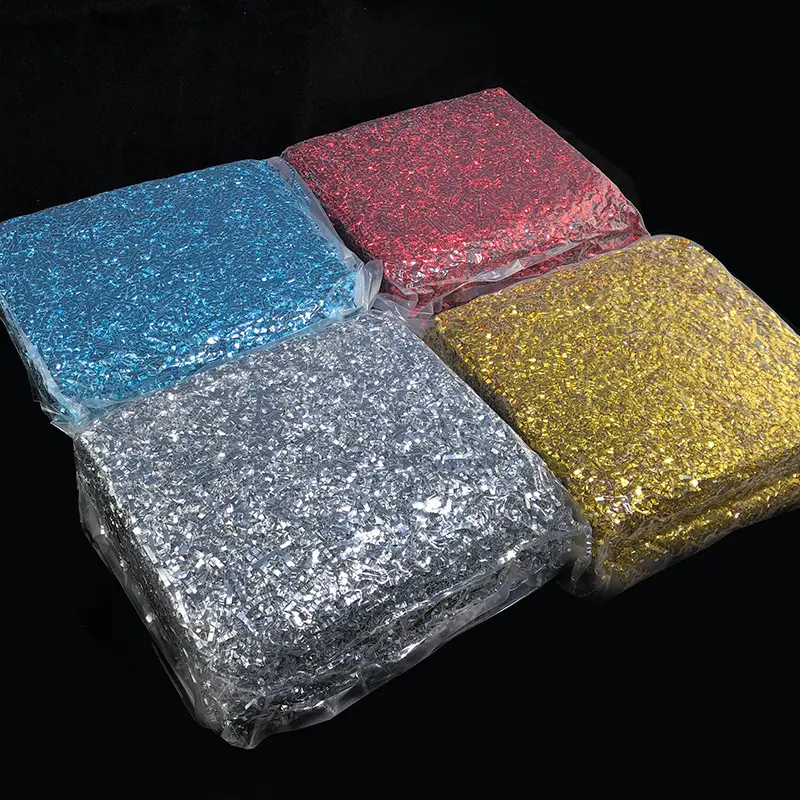
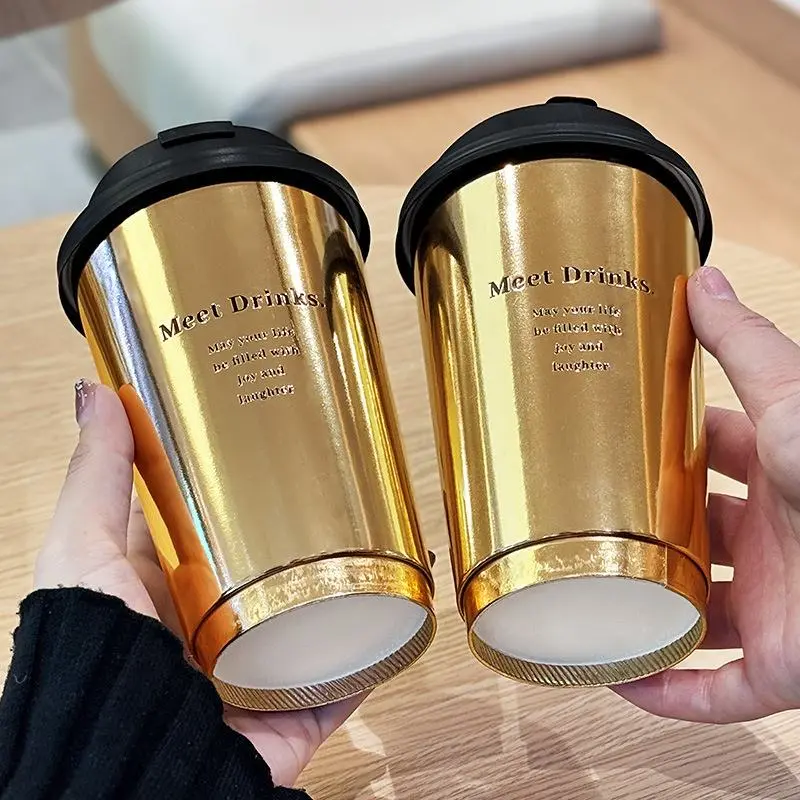
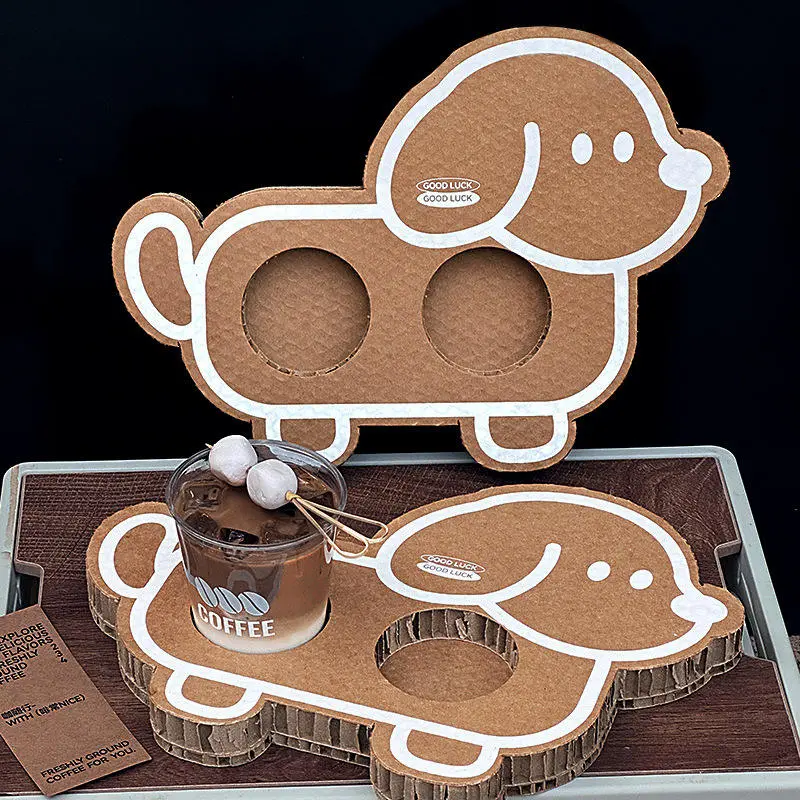

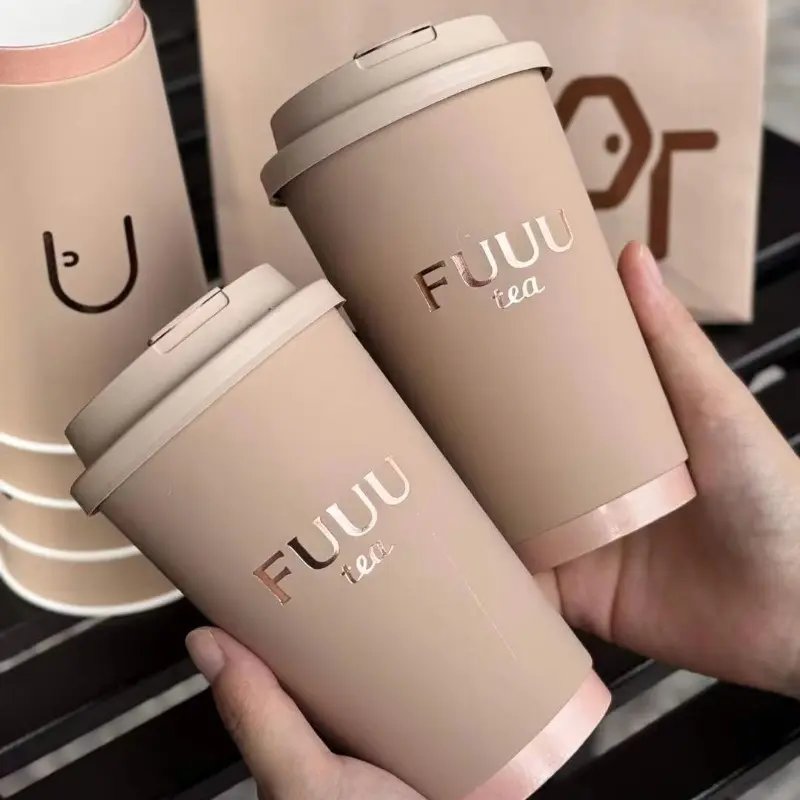
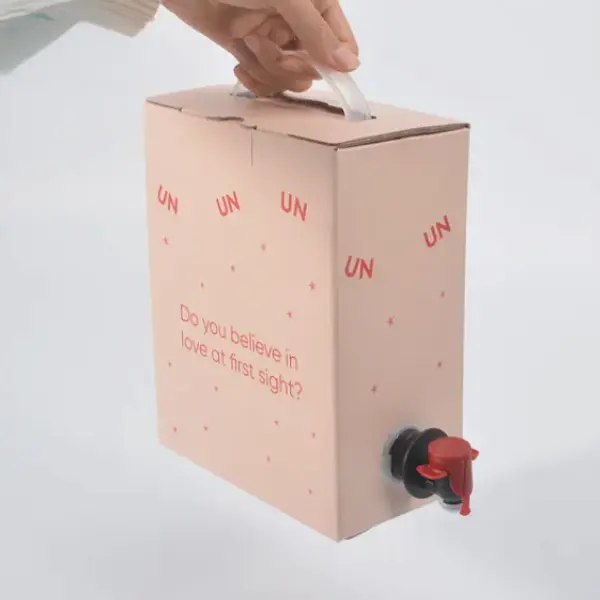
Targeted global distribution requires localized regulatory compliance. Different regions enforce strict limits on chemistry, structural configurations, and material traceability. As an established ODM supplier, our product designs are certified to meet international criteria:
In practice, localized applications determine the material specification. For instance, cold chain shipping profiles in Northern Europe require high damp-proof properties to prevent box collapse from condensation. Conversely, rapid-fulfillment e-commerce packaging in North America demands self-sealing adhesive strips and tear-strips, optimizing warehouse packing speeds and ensuring tamper-evidence during high-volume transits.
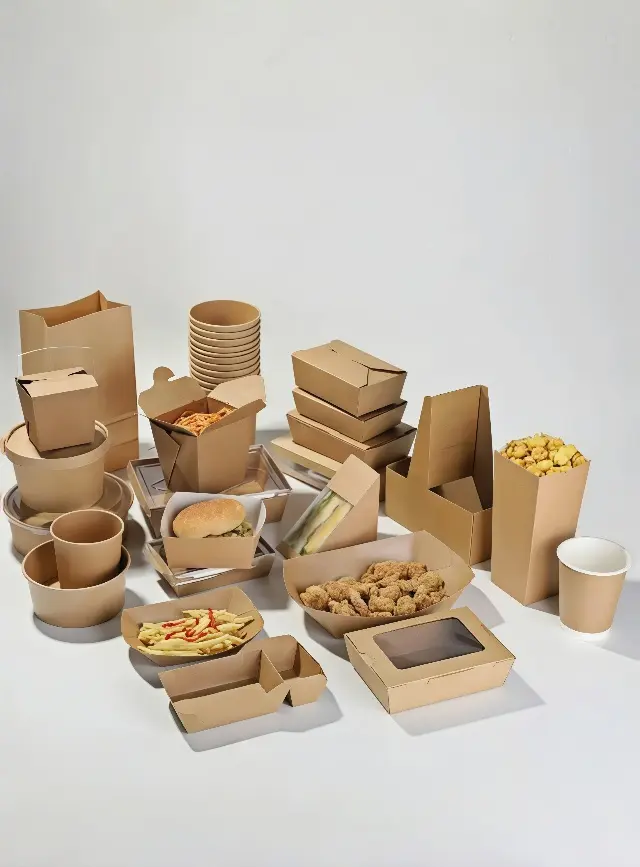
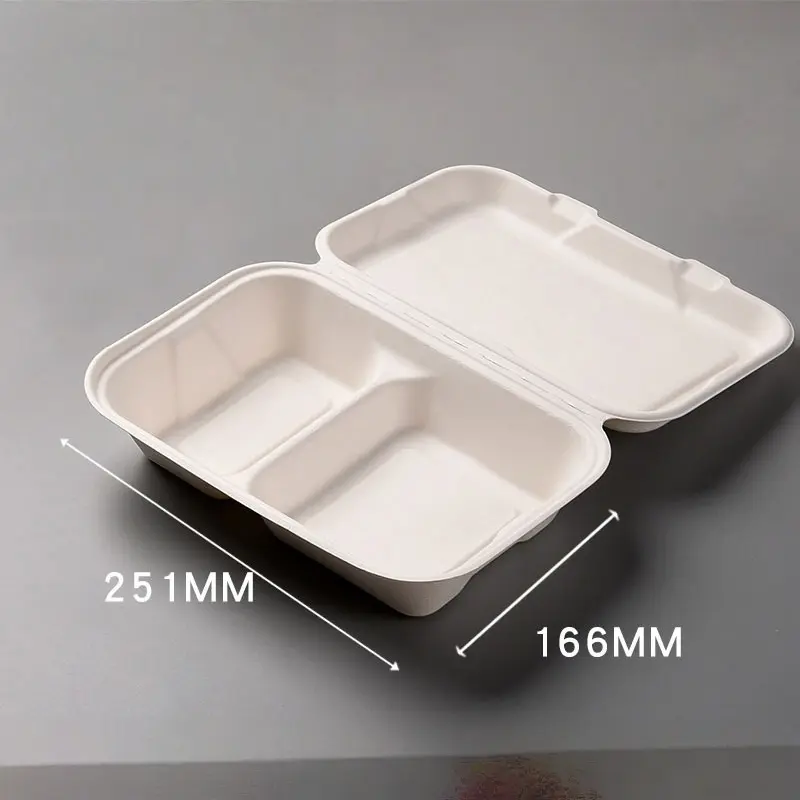
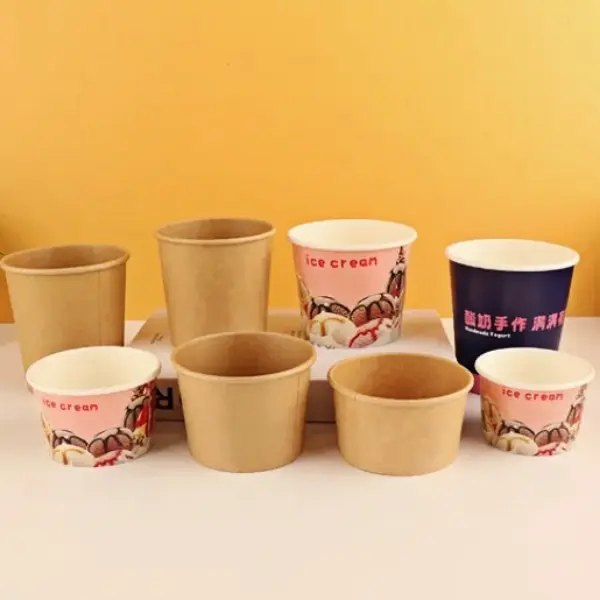
Biodegradable pulps and oil-resistant cardboards designed for rapid food-service environments and delivery systems.
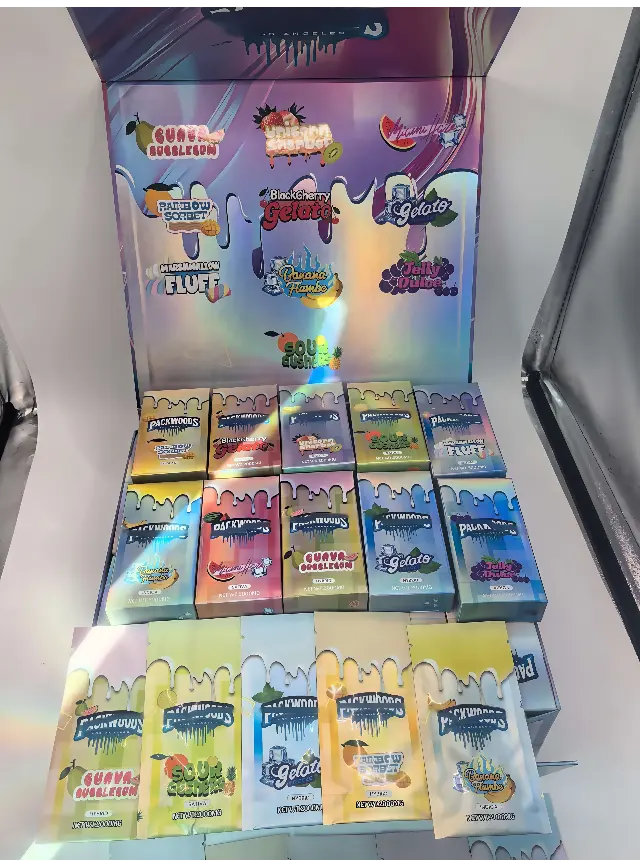
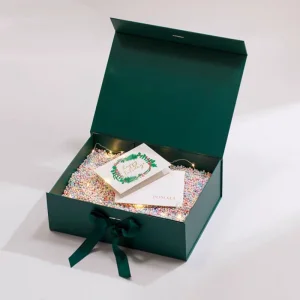
Collapsible rigid gift configurations designed to reduce shipping volume while offering a premium unboxing experience.

High-tensile kraft and specialty recycled papers featuring reinforced cotton cords, designed for high-end boutique retail.


The reseller packaging industry is transitioning toward digital integration and smart packaging systems. Over the next decade, manufacturers must address the convergence of logistics tracking, active barriers, and strict carbon footprint reporting.
Traditional synthetic polymers used for moisture and oxygen barriers are being replaced by bio-based nano-coatings, such as microcrystalline cellulose and starch derivatives. These coatings match the shelf-life performance of plastics while remaining repulpable and biodegradable. Active packaging designs are also being developed, incorporating oxygen scavengers and antimicrobial agents directly into corrugated paperboard fibers to extend the shelf life of fresh foods and sensitive organic ingredients.
Packaging is transitioning from a passive barrier to an active data point. Integrating low-cost, ultra-thin NFC (Near Field Communication) antennas and printed conductive inks allows brands and resellers to trace supply chains in real time. Dynamic QR codes printed with thermochromic inks can alert shippers and end consumers to temperature excursions during transit. This is critical for high-value pharmaceuticals, temperature-sensitive food services, and high-end cosmetics.
Global brands require detailed Life Cycle Assessments (LCA) for every package configuration. Our technology roadmap focuses on tracking the environmental impact of raw materials, manufacturing emissions, and logistics. By implementing automated LCA calculations during design, we provide customers with verifiable carbon data. This aligns with international sustainability standards like the ISO 14040/44 family, helping brands meet their corporate carbon-neutrality targets.
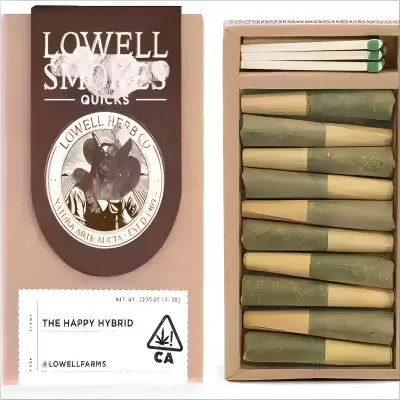
Are you ready to take your product presentation to the next level? Look no further! We specialize in crafting packaging that communicates luxury, protection, and sustainability directly to your end-user...
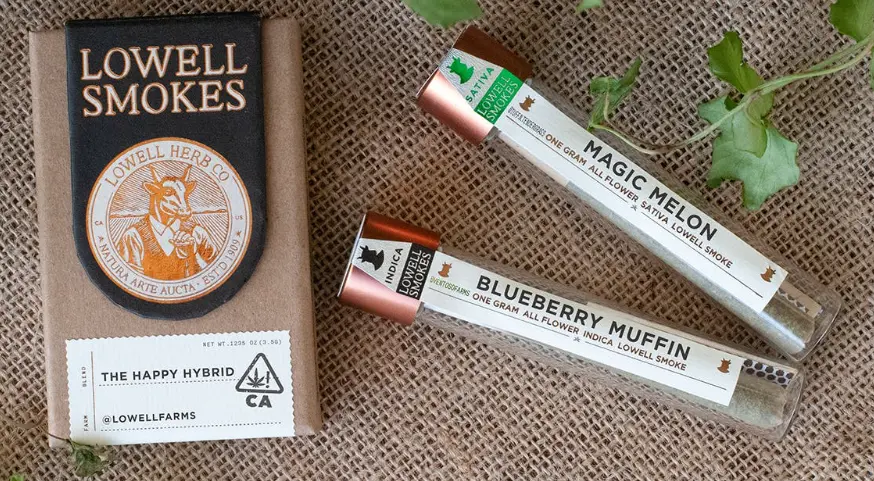
Discover how eco-friendly structural design and soy-based inks can cut down material costs by up to 20% while elevating brand value in eco-conscious consumer segments across Europe and North America...