Explore our high-performance structural packaging designs optimized for consumer conversion and compliance safety.
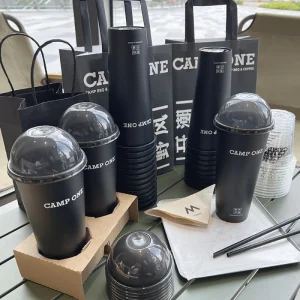
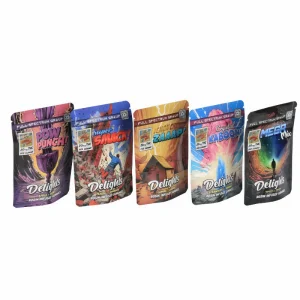
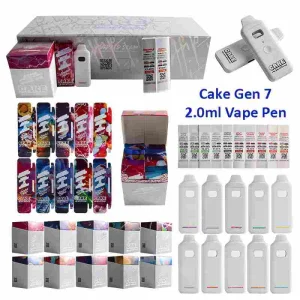
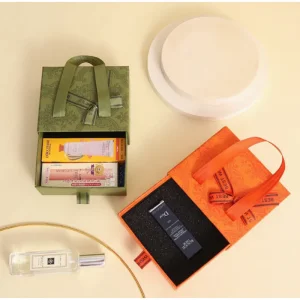
Understanding the transition from high-volume standardized packaging runs to high-agility, zero-MOQ custom ODM production models.
For decades, commercial printing and industrial custom packaging operations were dominated by setup cost limitations. Setting up traditional flexographic or offset printing machinery required expensive metal plates, rotary dies, and hours of calibration. This meant high Minimum Order Quantities (MOQs)—often starting at 5,000 to 10,000 units per graphic variant. In today’s hyper-segmented market, this structure poses massive operational and working capital risks for enterprise organizations.
The rise of digital packaging infrastructure and advanced sheet-fed litho-lamination systems has fundamentally altered this paradigm. By employing high-speed inkjet and dry-toner digital printing presses alongside computer-numeric-control (CNC) flatbed cutting plotters, manufacturers can completely bypass physical tooling. This breakthrough allows brands to order exact run sizes corresponding directly to real-time sales velocities. The immediate benefits to modern supply chains include: reduction in dead inventory write-offs, dynamic regionalized packaging adjustments, and minimal capital investment to launch new product stock keeping units (SKUs).
To execute true Original Design Manufacturing (ODM) on a zero-minimum basis, a factory must operate on a hybrid manufacturing model. Below is the technical matrix highlighting how digital custom print pipelines interface with premium structural designs:
Packaging is not merely visual branding; it serves as the critical barrier and regulatory interface for international commerce. In regions such as the European Union (EU) and North America, regulatory scrutiny over material migration and child safety is at an all-time high. For industries like specialty foods, cosmetics, pharmaceuticals, and cannabis products, companies must ensure their packaging is compliant with strict local standards (e.g., EU REACH, US FDA 21CFR food-contact protocols, and Child-Resistant [CR] mechanical certifications under ISO 8317).
An expert ODM manufacturer mitigates these compliance risks directly in the engineering phase. By utilizing soy-based, VOC-free inks, and FSC-certified biodegradable papers, brands can bypass heavy metal restrictions and sustainability audits. Our proprietary compliance-first design system leverages data from over 50 regional markets, ensuring customs clearance processes go smoothly without unexpected regulatory holds or costly redesign cycles.
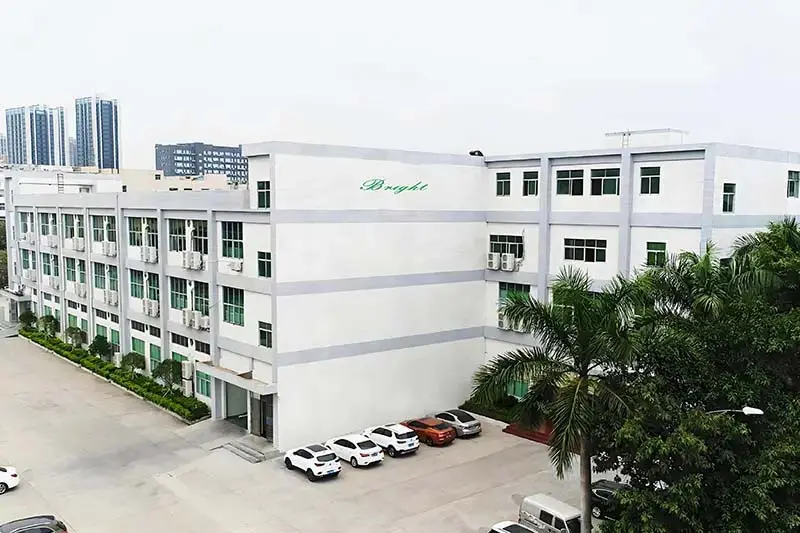
Since its establishment in 2017, Brightpack has evolved into a leading manufacturer specializing in premium custom packaging solutions for global markets. We combine functional design, high-quality materials, and advanced production to create packaging that elevates brand identity and meets international standards.
Our one-stop service covers every stage from design consultation, material selection, and custom printing to strict quality control, logistics coordination, and compliance support. Backed by a 2,000㎡ modern facility and a team of 100+ skilled professionals, we ensure precision, efficiency, and reliability in every order.
Whether you need luxury gift boxes, eco-friendly packaging, or industry-specific solutions, our commitment to innovation and customer satisfaction makes us your trusted partner for global packaging success.
Years Experience
Factories
Production Facility
Skilled Professionals
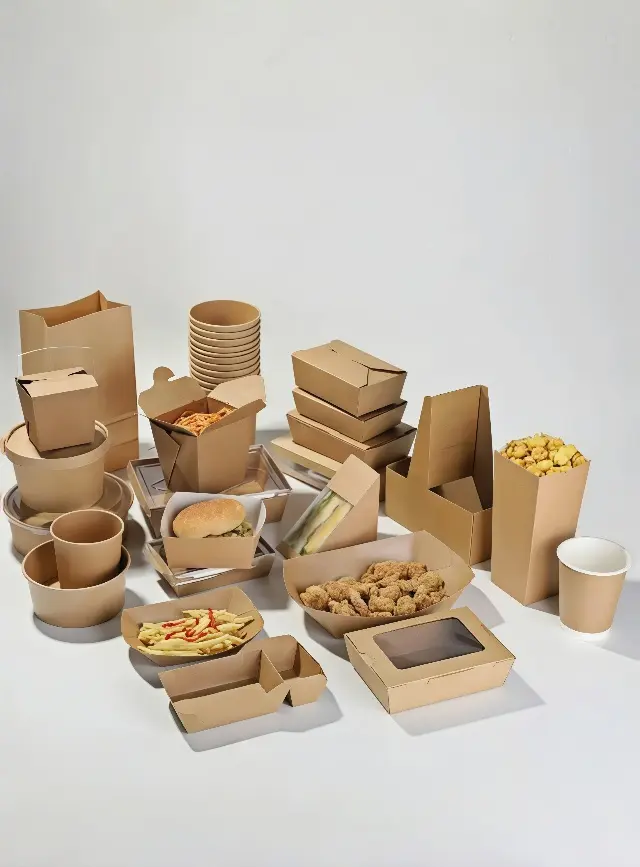
We craft tailored structural designs across paper, plastic, and cardboard mediums for high-growth sectors.
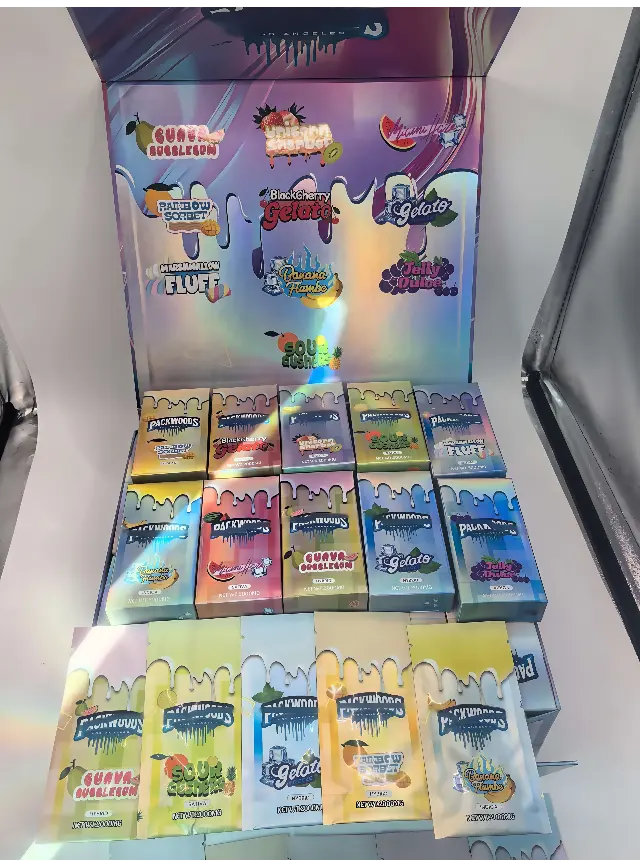
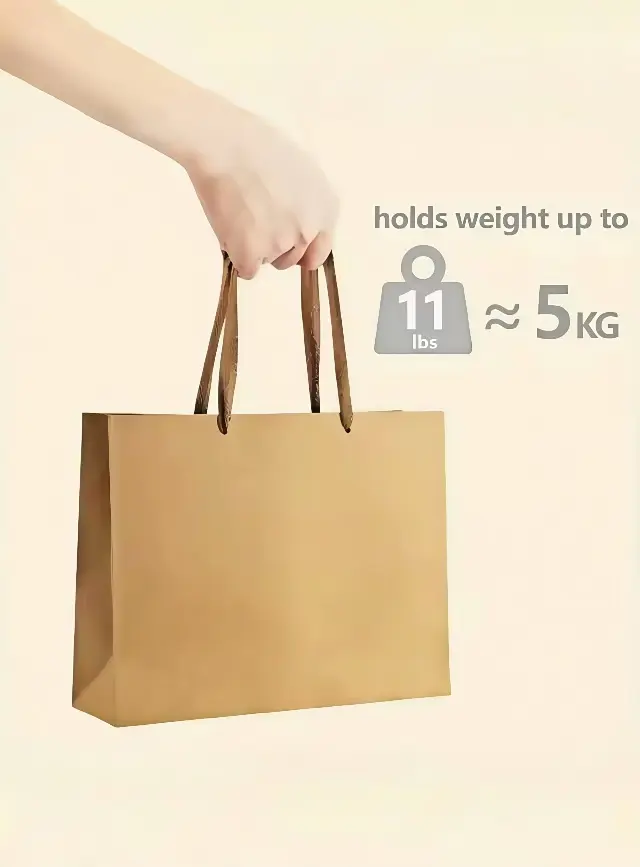
An end-to-end design, production, and quality control pipeline designed for rapid turnaround times and structural fidelity.


Four structural pillars that ensure rapid deployment, absolute regulatory compliance, and consistent print quality.

Specialized in export-oriented packaging design, we’ve studied regulations of 50+ target countries/regions (e.g., EU REACH for packaging materials, US FDA 21CFR for food-contact items). For example, when handling wooden-component packaging, we strictly apply the IPPC marking process. By pre-resolving 90% of potential customs clearance risks in the design phase, we ensure smooth overseas shipping, saving you from costly delays.


Backed by advanced die-cutting (tolerance ≤±0.5mm) and HD printing (resolution up to 1200dpi) equipment, we master complex structures like auto-lock bottom folding boxes and luxury rigid boxes with lids. For high-end brands, our holographic anti-counterfeiting + embossing processes can boost brand perceived value by 35%, accurately translating your brand identity into packaging.

From sourcing FSC-certified paper to using VOC-free inks, we control every material. In finished product testing, we simulate 10+ transportation scenarios (ocean shipping vibration, air freight drop tests). Each batch goes through 15 inspection checkpoints, achieving a defect rate of less than 0.5%, far below the industry average of 3%.

With a 2,000㎡ owned factory and a 3-tier outsourcing network, we offer: Small batches with 3-day sampling and 7-day mass production. Large orders feature 98% on-time delivery for 100,000-unit orders, thanks to lean production scheduling. This agility matches your business expansion, whether testing new markets or scaling up globally.
Maintaining color accuracy across multiple production runs is a persistent challenge in package printing. Variation in paper pulp density, humidity levels, and ink chemistry can lead to shift deviations in brand-critical colors. To maintain chromatic stability, modern factories utilize spectrophotometers integrated with closed-loop digital profiling. Under the ISO 12647-2 standards, our processes guarantee a color deviation threshold of Delta E < 2.0. This degree of calibration ensures that short-run production batches align perfectly with historical offset print campaigns.
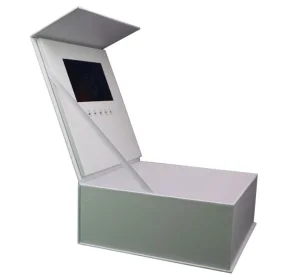
The convergence of packaging and digital technology has shifted structural packaging from a passive protective envelope to an interactive touchpoint. The integration of Wholesale LCD video cards, near-field communication (NFC) transponders, and dynamic QR matrix codes onto outer rigid boxes allows brands to tell their story instantly. In industrial warehousing contexts, RFID tags built directly into E-flute outer shipping shippers allow automated logistics sweeps without needing manual line-of-sight code scanning, paving the way for autonomous inventory management.
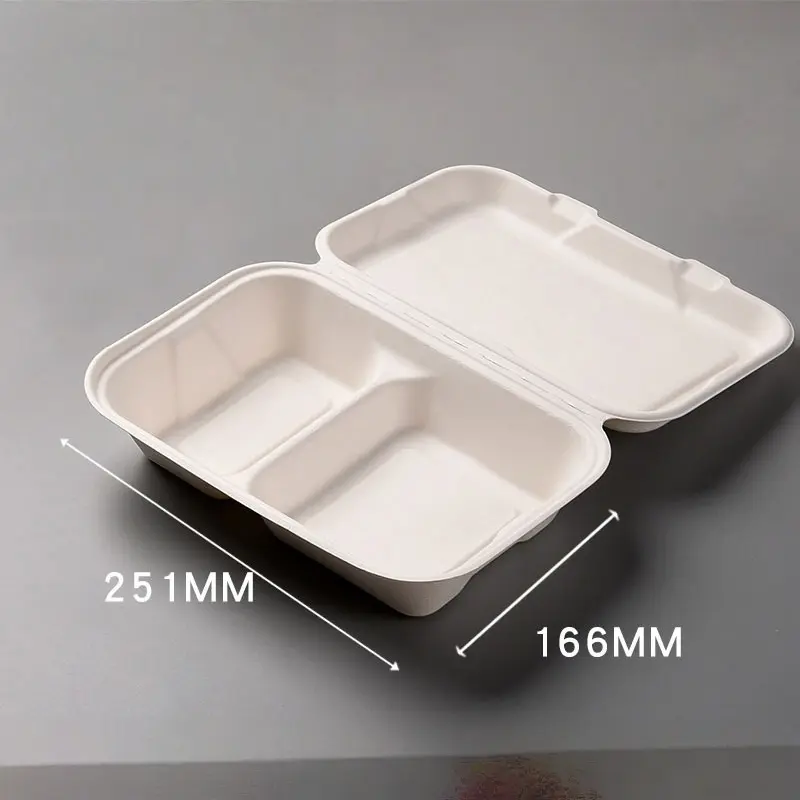
As legislative frameworks worldwide begin enforcing plastic taxes and extended producer responsibility (EPR) schemas, industrial package design must adapt. The roadmap points clearly to single-polymer barrier coatings and plant-derived biodegradable substrates. Traditional polyethylene (PE) lamination is being phased out in favor of water-borne aqueous barriers that do not impede pulping machinery during recycling. By employing biodegradable sugarcane bagasse and high-density folding kraft boards, we can assist enterprise clients in achieving 100% recyclability profiles.
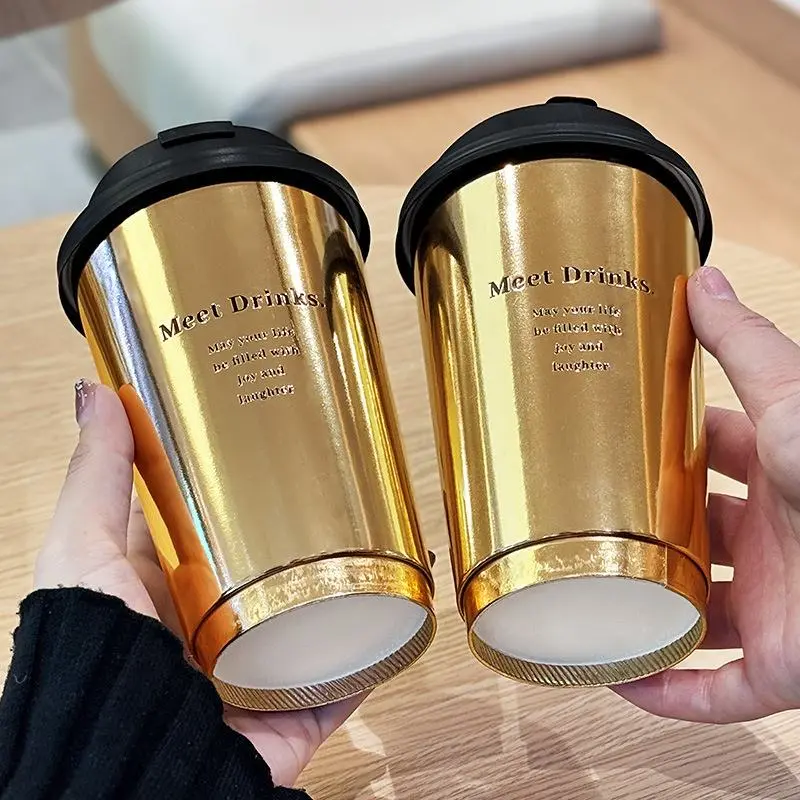
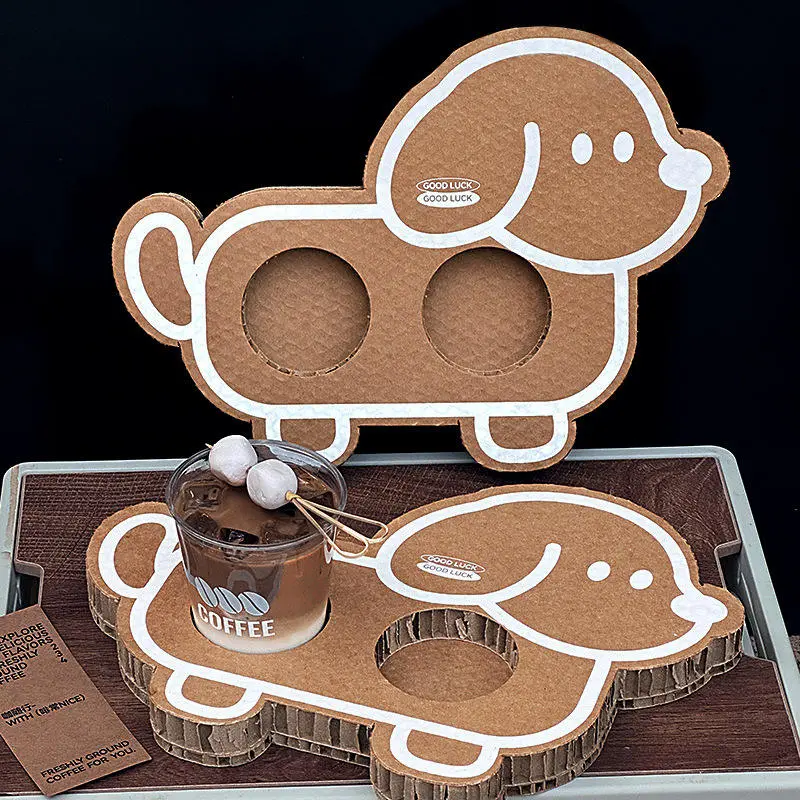
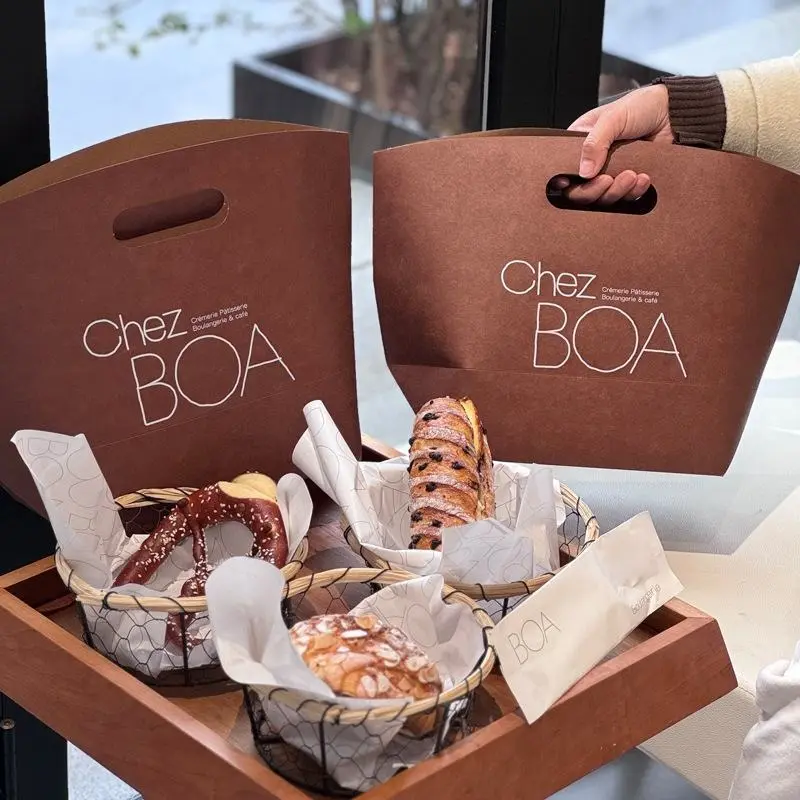
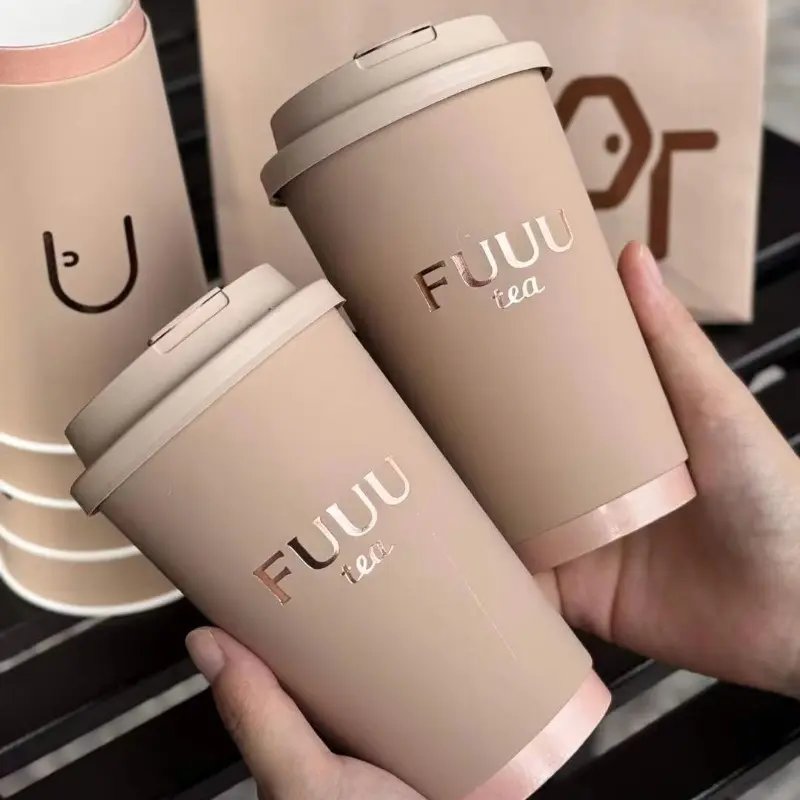
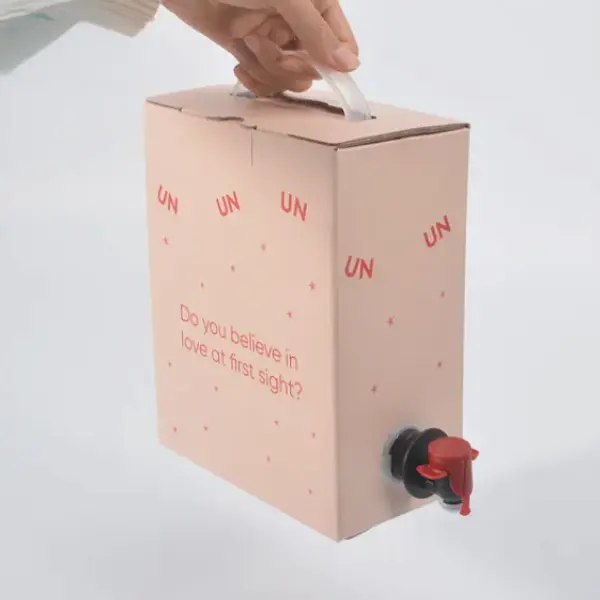
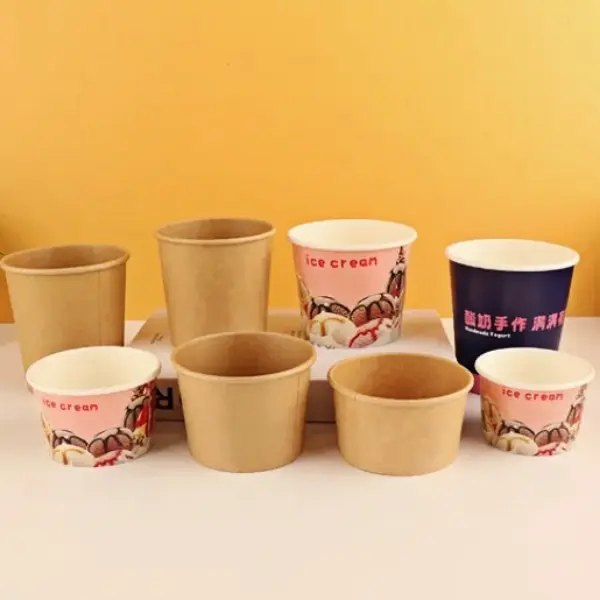
Explore our trending catalog items ranging from eco-friendly retail carriers to double-walled beverage solutions.
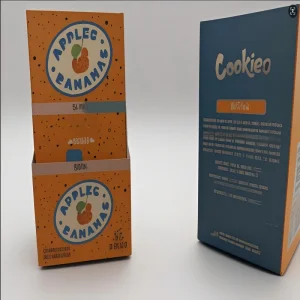
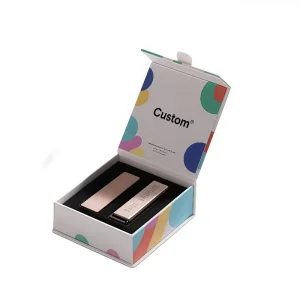
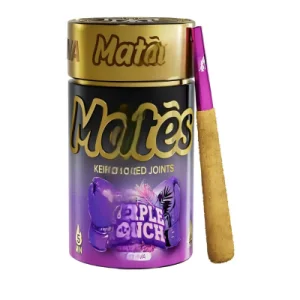
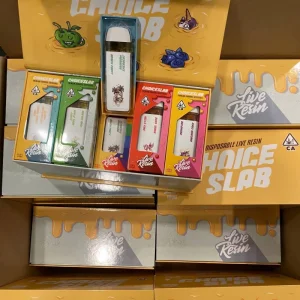
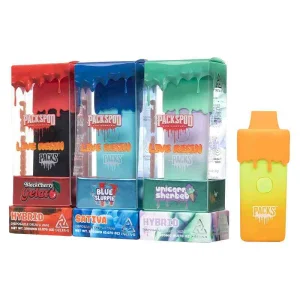
Engineered boxes and child-resistant storage containers built for regulatory compliance and luxury retail presence.
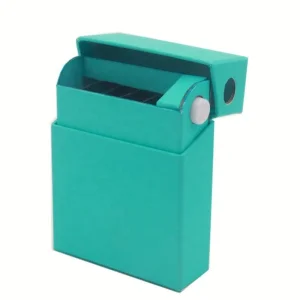
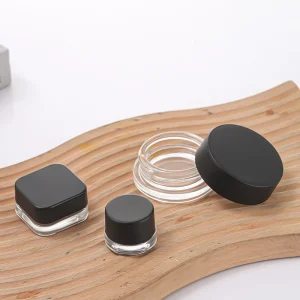
Stay updated on the latest shifts in global manufacturing regulations, print technology advancements, and sustainable packaging design trends.
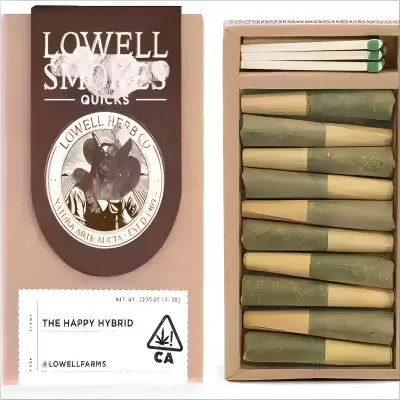
Are you ready to take your product presentation to the next level? Look no further! We specialize in tailored folding cartons and sustainable boxes designed to amplify shelf presence.
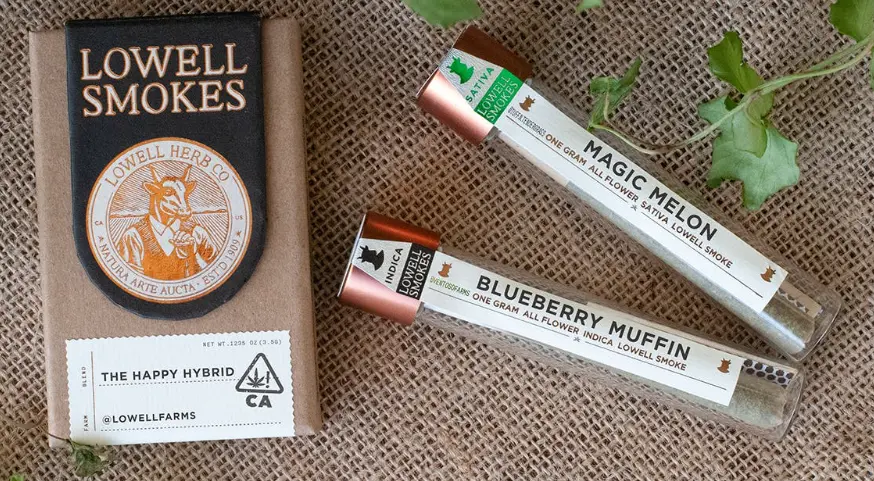
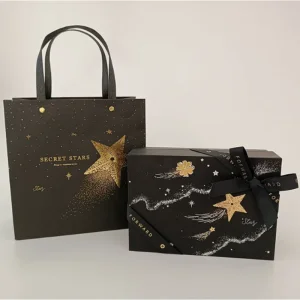
Discover how premium custom drawer boxes and magnetic closures enhance user unboxing experiences. Strategic structural modifications can boost customer brand loyalty by up to 35%.
Everything you need to know about setting up ODM printed boxes with no minimum order requirements.
We leverage advanced digital packaging workflows. Unlike traditional offset printing, which requires physical metal plates and complex mechanical setup processes, our high-definition digital inkjet presses print structural designs directly from CAD and vector graphics files. This eliminates setup overhead, allowing us to produce short-run samples and small production batches without charging prohibitive setup fees.
For small, digitally printed runs, our standard turnaround is 3 days for structural sampling and prototyping, and 7 working days for mass production after sample approval. Larger runs (e.g., offset printing runs exceeding 10,000 units) require plate fabrication and setup, typical lead times for which range between 12 to 15 working days.
Yes. All of our packaging substrates are sourced from FSC-certified forestry suppliers, guaranteeing sustainable harvesting practices. Our printing processes utilize soy-based, VOC-free inks that comply with the strict EU REACH regulation and US FDA 21CFR protocols for direct food contact. Additionally, we verify that heavy metals in all structural coatings do not exceed the 100 ppm limits dictated by regional environmental laws.
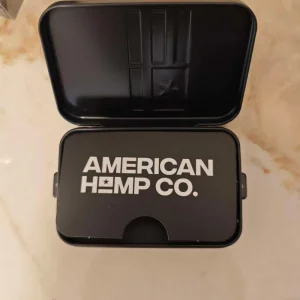
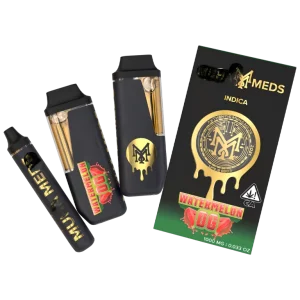
Absolutely. We specialize in designing and manufacturing certified child-resistant (CR) boxes, tin containers, and paper tubes. Our engineering team designs dual-action locking mechanisms that meet ISO 8317 standards and US 16 CFR § 1700.20 safety requirements. We can integrate these protective features directly into custom dimensions for pre-rolls, cartridges, and edible containers.
To ensure crisp resolution and accurate color registration, artwork should be submitted in vector format (Adobe Illustrator .AI, editable PDF, or .EPS). The files must include structural bleed zones (minimum 3mm), and text layers should be converted to outlines. Spot colors should be defined using the Pantone Matching System (PMS) to ensure accurate translation during production.
Yes. Once project dimensions and box style (such as reverse tuck end, auto-lock bottom, or rigid magnetic closure) are confirmed, our CAD engineers generate a 2D vector die-line containing cut lines (red) and crease lines (blue). This template is provided to your creative team to apply graphic assets seamlessly.
We submit representative samples to a battery of physical tests matching ASTM standards. This includes simulated transit vibration tests, drop tests from various heights to verify corner cushioning, and edge crush tests (ECT) on micro-flute corrugated selections. This ensures that the custom box style provides sufficient mechanical protection throughout the global supply chain.
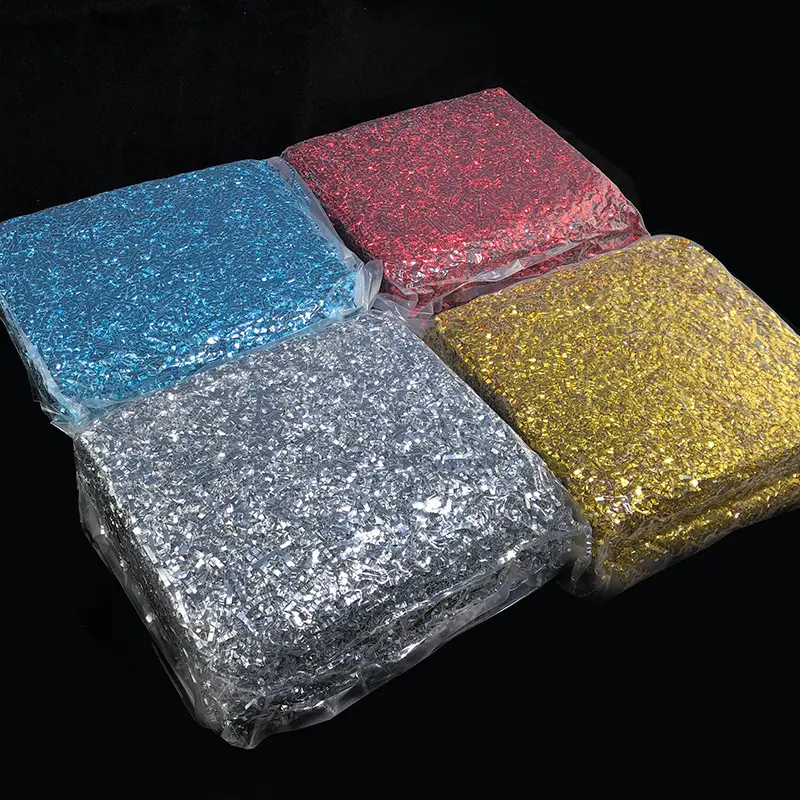
Yes, we employ digital embellishment technology for low-volume runs. This allows us to apply raised 3D spot UV and metallic foils (gold, silver, holographic) directly from digital files, avoiding the tooling costs associated with traditional copper stamping blocks. This makes luxury finishing techniques affordable for limited-edition launches and short-run gift packaging.