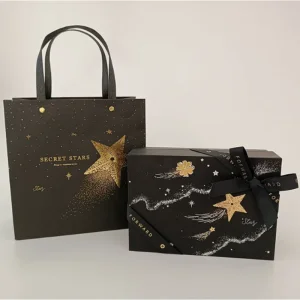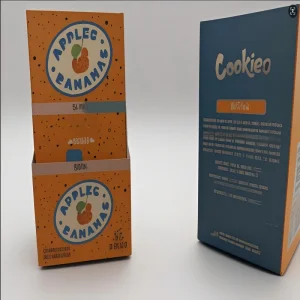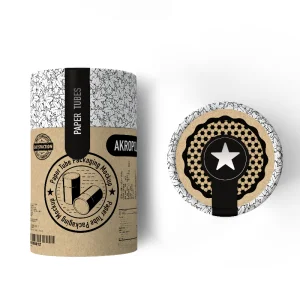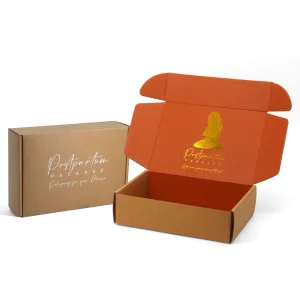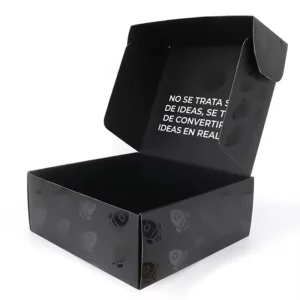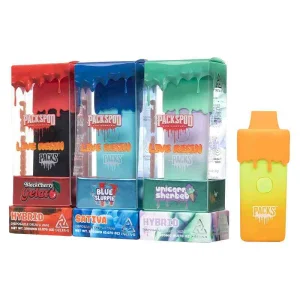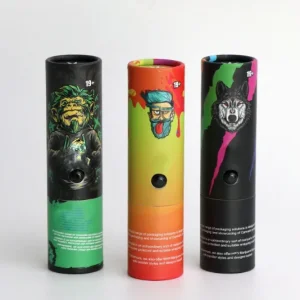
Tailored OEM/ODM engineering solutions with rigid structures and precision forming.
Unpacking global trends, environmental mandates, and structural choices shaping modern premium packaging procurement.
In the hyper-competitive global consumer goods sector, packaging has transitioned from a basic functional vessel to a fundamental marketing and operational asset. Premium rigid boxes, traditionally characterized by thick, non-collapsible cardboard structures covered with wrapped specialty paper, represent the pinnacle of tactile marketing. As luxury brands compete for consumer loyalty in the e-commerce and retail spaces, the selection of an original design manufacturer (ODM) for rigid boxes has become a critical strategic decision. Procurement divisions at leading enterprises are no longer just comparing prices; they are auditing manufacturer compliance, carbon accounting, mechanical automation capabilities, and structural defect rates.
The global luxury rigid packaging market is experiencing structural changes driven by three major forces: the rapid growth of high-end e-commerce, strict international environmental regulations, and the demand for interactive unboxing designs. As high-value goods like luxury cosmetics, premium electronics, artisanal spirits, and pharmaceuticals move through cross-border delivery channels, packaging must offer high physical durability while maintaining its luxury aesthetic. A crushed corner or a peeling edge on a luxury gift box can hurt brand perception. As a result, global procurement strategies are shifting towards suppliers that can balance premium materials with strict structural testing.
Furthermore, environmental compliance is reshaping global trade. Initiatives like the EU Green Deal, packaging waste regulations (PPWR), and the US Plastic Pact are pushing companies to phase out complex plastic packaging in favor of natural fiber materials. However, replacing plastic cannot mean compromising on luxury. This requires advanced material research—such as using FSC-certified greyboards, biodegradable agricultural-waste fibers like bagasse, water-based adhesives, and VOC-free soy inks.
Our design and production processes are built on strict compliance, high-precision customization, clean manufacturing, and rapid supply chain response.
We design specialized export packaging based on the regulations of over 50 destination countries (including EU REACH, US FDA 21CFR, and IPPC wooden component marking rules). Resolving compliance requirements during the initial design phase helps reduce the risk of custom delays.
Equipped with automated die-cutting setups (precision margin ≤±0.5mm) and high-density printing systems (supporting up to 1200dpi), we produce complex structures like auto-lock bottom folding boxes, luxury telescoping rigid boxes, and custom magnetic flap closures.
From sourcing FSC-certified paperboards to printing with low-VOC inks, we run structural and material audits at every stage. Our testing protocols simulate ocean shipping vibrations and air transit drops across 15 checkpoints, helping us maintain a product defect rate under 0.5%.
A detailed guide to paperboard density, surface treatments, structural closures, and ecological certifications.
Developing high-end rigid packaging requires a clear understanding of materials science. The base substrate, known as greyboard, provides the structural foundation. Greyboards typically range from 600gsm to 2400gsm (approx. 1mm to 4mm in thickness), depending on the weight of the enclosed product and the level of structural protection required. For luxury goods, double-greyboard or high-density fiberboard (HDF) is often used to prevent structural warping caused by humidity changes during ocean shipping.
The exterior wrap is where structural function meets visual design. Suppliers use a variety of specialty wrap papers, including wood-free uncoated papers, high-gloss coated art paper, and textured papers that simulate fabric or leather. For eco-conscious brands, we offer recycled kraft papers and agricultural residues (such as sugarcane bagasse and hemp fibers) that maintain high tensile strength while reducing environmental impact.
| Rigid Box Material Subtype | Standard Density Options (GSM) | Common Visual/Surface Enhancements | Target Applications | Ecological Compliance Profile |
|---|---|---|---|---|
| FSC Art Paper Wrap + Greyboard | 800 - 1800 GSM Greyboard + 157 GSM Wrap | Matte Lamination, Spot UV, Foil Stamping | High-End Cosmetics, Vapes, Jewelry | 100% Recyclable, FSC Certified Chain of Custody |
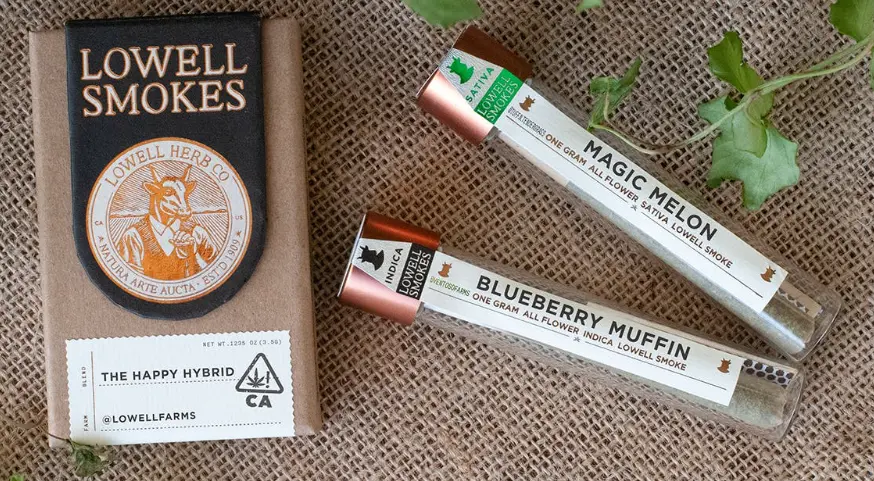
| Textured Kraft Paper Wrap | 600 - 1200 GSM Kraft Liner Board | Soy-Ink Printing, Blind Debossing | Organic Cosmetics, Pre-rolls, Artisanal Goods | Biodegradable, Unbleached Natural Fiber |
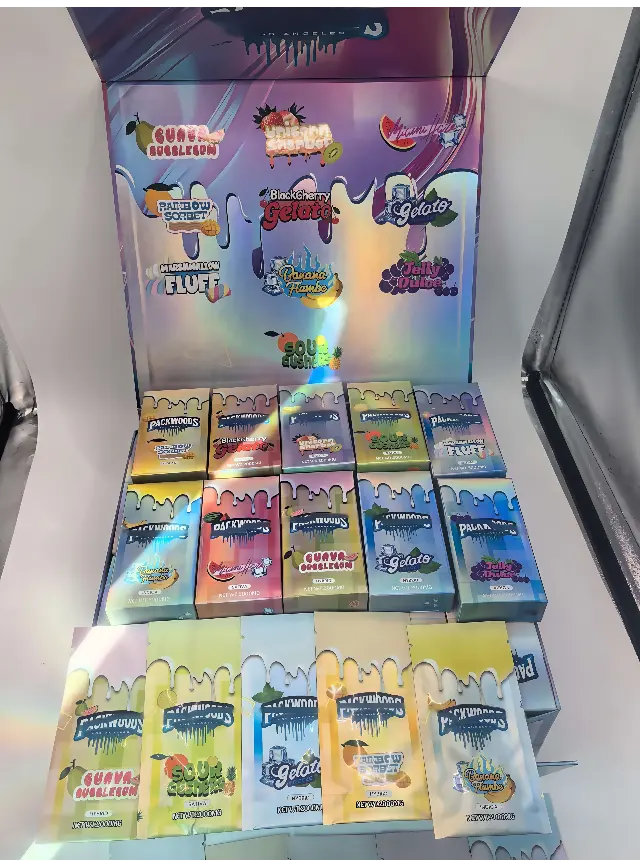
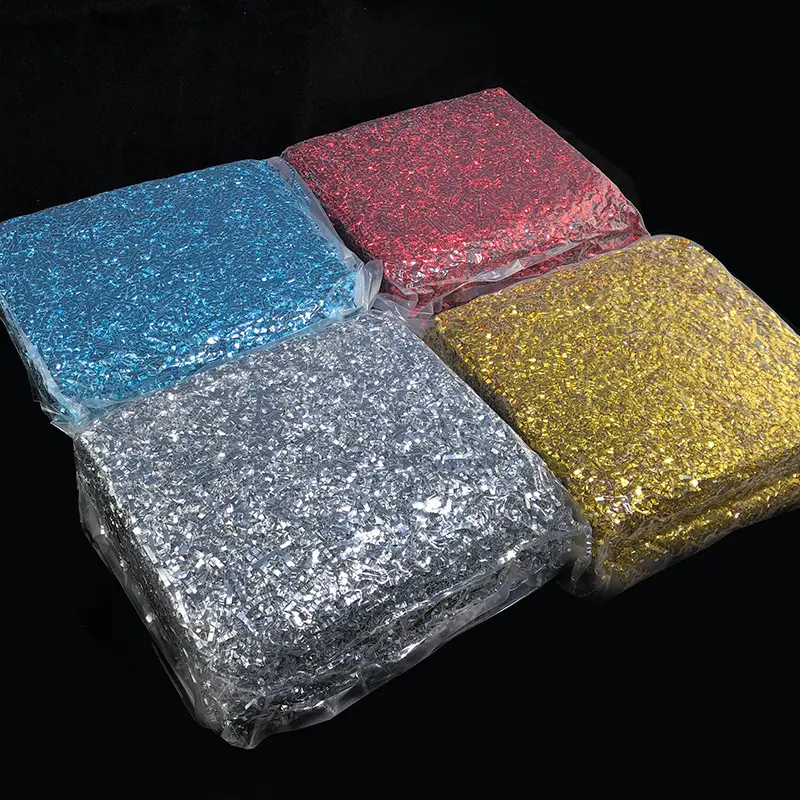
| Premium Metallic Foil Paper Board | 1000 - 2000 GSM Greyboard | Holographic Stamping, 3D Micro-Embossing | Luxury Spirits, Electronics, Gift Boxes | Recyclable Core, Eco-friendly PET Foil Film |
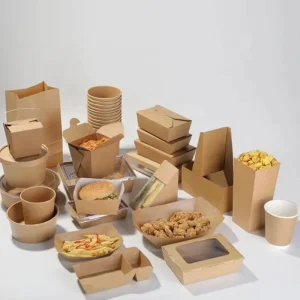
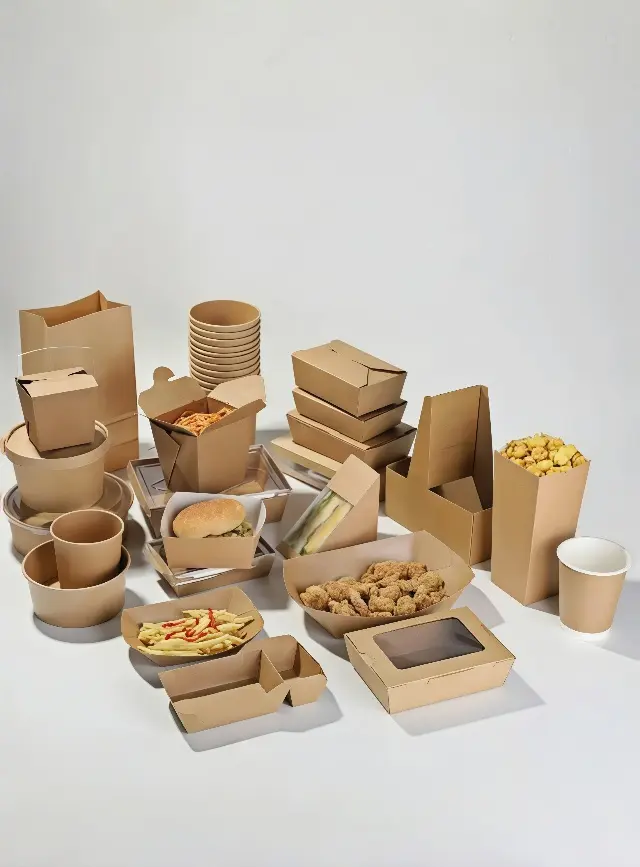
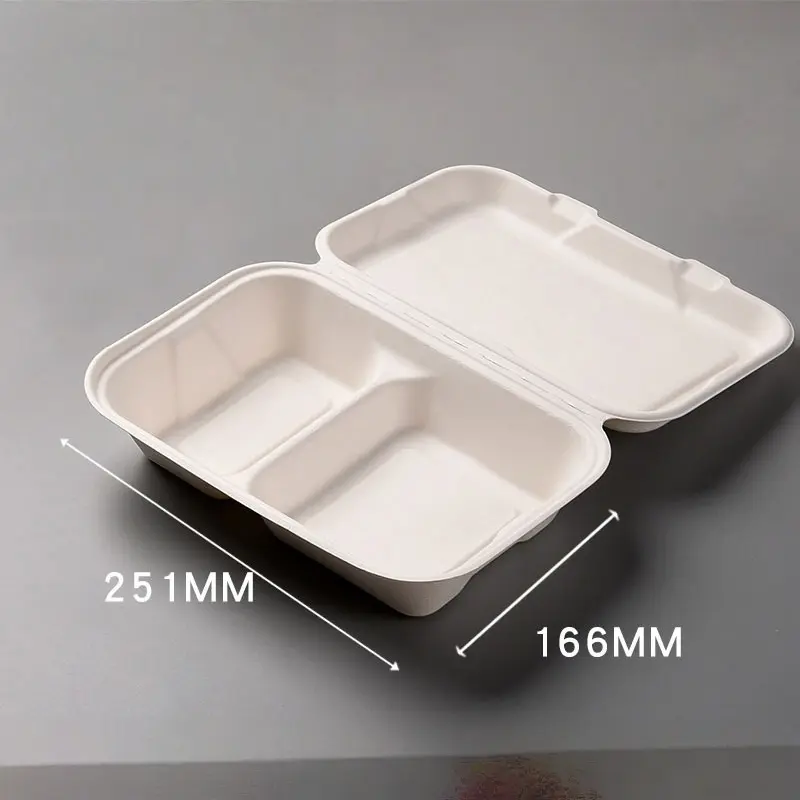
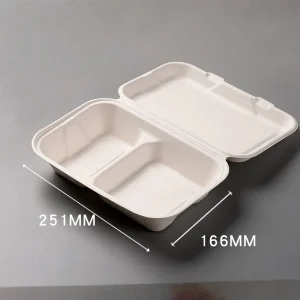
| Sugarcane Bagasse Pulp Board | 300 - 800 GSM Molded Board | Natural Coloration, Precision Debossing | Takeout Food Containers, Eco-Cosmetics | Compostable, PFAS-Free, Biodegradable |
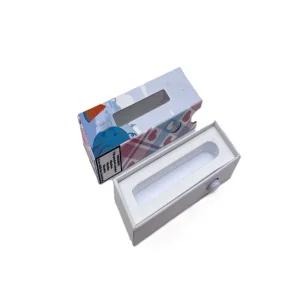
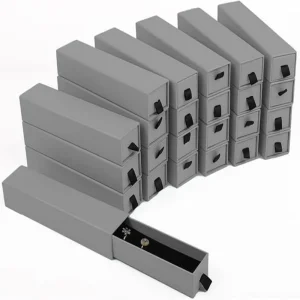
Beyond materials, structural closure systems play a large role in the unboxing experience. Incorporating hidden neodymium magnets into a hinged flap provides a secure, satisfying closure that encourages consumers to reuse the box. Drawer boxes (sliding rigid sleeves) feature ribbon pulls or finger notches and use precision fit tolerances (≤±0.5mm) to ensure smooth slide friction, creating a premium feel for cosmetics and cartridge packaging.
Our step-by-step ODM/OEM production flow maintains structural precision and design alignment from concept to final delivery.

Analyzing product dimensions, load weights, compliance needs, and brand guidelines.

Generating 3D structural CAD blueprints and digital layout models.

Selecting FSC-certified greyboards, specialty wraps, and eco-friendly linings.

Creating high-fidelity physical mockups for structural fit and finish approval.

Calibrating printing plates and setting up digital color-matching files.

Applying up to 1200dpi CMYK or Pantone colors with soy-based inks.

Adding tactile details through embossing, hot foil stamping, or spot UV.

Cutting and scoring structures within ≤±0.5mm tolerances.

Running final checks through drop-testing and structural alignment audits.

Consolidating shipments, applying customs marks, and managing delivery.
Managing global risk, adapting to smart manufacturing, and implementing carbon-reduction practices.
For supply chain directors managing global portfolios, procurement risk management is a key priority. Relying on a single factory presents risks from regional disruptions, raw material shortages, or shipping port delays. Brightpack addresses these challenges through a 3-tier production network that links our main 2,000㎡ facility with qualified secondary facilities. This approach allows us to scale production up to 100,000 units with a 98% on-time delivery rate, helping brands maintain stable inventories during peak seasons.
Technology integration is also changing how brands interact with packaging manufacturers. Modern CAD systems allow designers to test structural strength digitally before physical samples are made, which helps reduce development times. Additionally, integrating anti-counterfeiting features directly into packaging design—such as micro-embossed holographic patterns or embedded RFID/NFC chips—helps high-end brands verify product authenticity and protect their supply chains.
Looking forward, the luxury packaging industry is moving toward fully circular material supply chains. Manufacturers are shifting away from petroleum-based adhesives in favor of water-soluble alternatives. They are also replacing heavy metallic coatings with thin, recyclable cold foils, making it easier for consumers to recycle the packaging at the end of its life. Investing in sustainable packaging materials and processes helps brands meet regulatory requirements while preparing for future environmental standards.
Preserving original product formats and ecological designs for food, beverage, and retail services.
Clear answers to common questions about structural integrity, compliance, minimum order quantities (MOQ), and shipping logistics.
Choosing the right greyboard thickness depends on the weight of the product, the mode of transportation, and the desired structural feel. For light products (under 200g) like small cosmetic jars or vape cartridges, an 800gsm to 1000gsm greyboard (approx. 1.2mm to 1.5mm) is usually sufficient. For heavier luxury goods (500g to 2kg) like spirits, premium electronics, or glass-packaged cosmetics, we recommend a 1200gsm to 1800gsm board (1.8mm to 2.8mm). In cases requiring extra rigidity or drop protection, HDF (High-Density Fiberboard) or double-greyboard layers up to 2400gsm (3.8mm) can be specified.
Compliance is integrated directly into our design process. When designing for the European Union, we source materials that comply with REACH chemical limits and ensure our paper products are FSC-certified. For food-contact items, we verify that materials meet FDA 21CFR standards. When wooden components are used in high-end boxes, we apply the IPPC marking process. Addressing these regulatory requirements in the initial stages helps minimize potential customs delays during cross-border transit.
Traditional rigid boxes are shipped pre-assembled, which protects the product during shipping but takes up more storage volume, leading to higher sea freight and warehousing costs. Flat-packed magnetic folding boxes are engineered with pre-creased fold lines and adhesive backing strips. They ship flat to reduce transit volume by up to 75%, and can be assembled at the destination. While flat-pack folding boxes require assembly labor, they offer significant shipping savings for large cross-border orders.
Yes. We design and manufacture child-resistant (CR) locking systems that fit within luxury rigid packaging structures. These designs include two-button release mechanisms, slide-and-lock configurations, and hidden magnetic detents. These features are designed to meet US 16 CFR § 1700.20 safety standards while keeping the unboxing process user-friendly for adults.
For standard custom projects, we complete digital die-lines and initial structural designs within 24 to 48 hours. Once the design is approved, physical white samples (for structural verification) take about 3 days, and printed color samples take 5 to 7 days. Mass production averages 7 to 15 days, depending on structural complexity and order volume. We also maintain a 3-tier factory backup system to help prevent production bottlenecks during peak seasons.
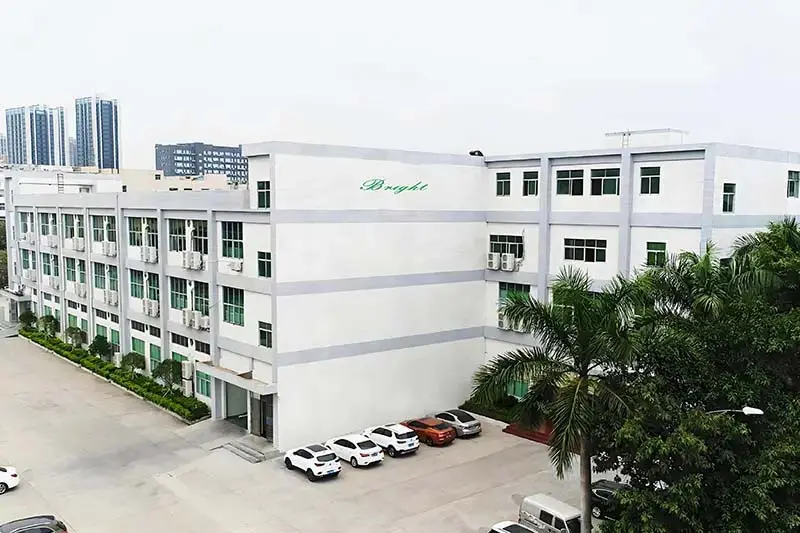
Established in 2017, Brightpack manufactures custom packaging solutions for premium brands worldwide. We combine structural design, materials sourcing, and modern production to create packaging that supports brand identity and meets international regulatory standards.
Our services cover every stage of the project: design consultation, material selection, custom printing, quality control, and logistics coordination. Operating out of our 2,000㎡ facility with a team of over 100 specialists, we focus on delivery precision, structural quality, and order consistency.
Preserving original product options for cafe, food service, and retail paper bag applications.
Protecting fragile electronics, high-end apparel, and premium logistics shipments.