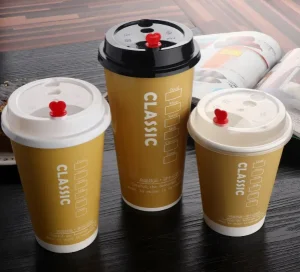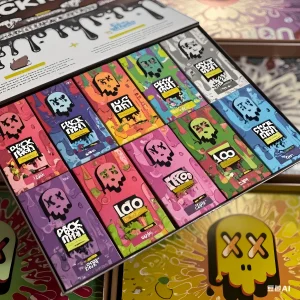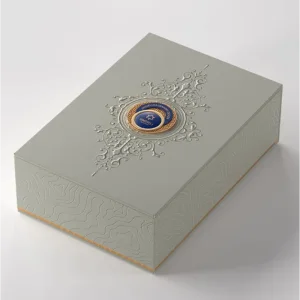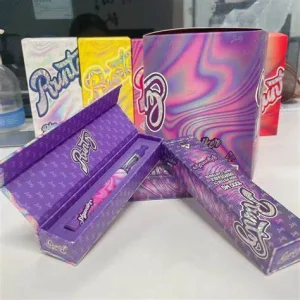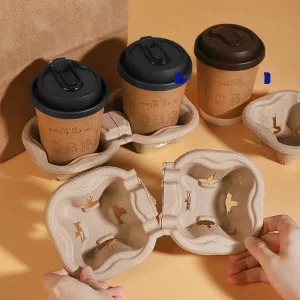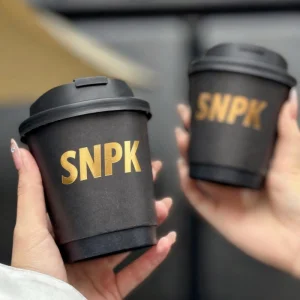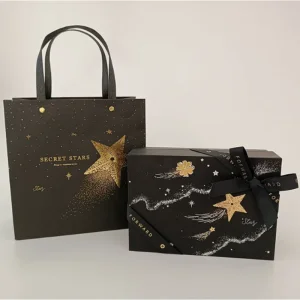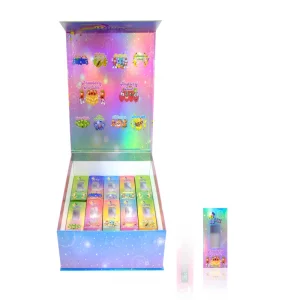
Explore our trending custom options, engineered with precise structural integrity and certified food-contact safety standards.

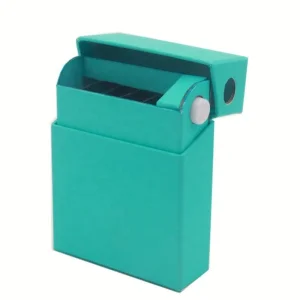
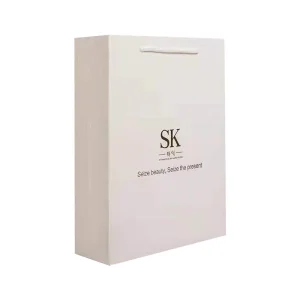
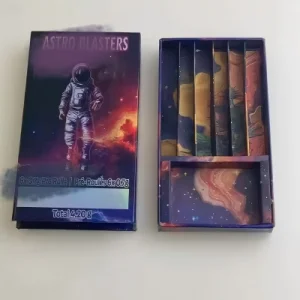

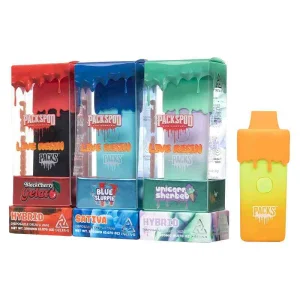
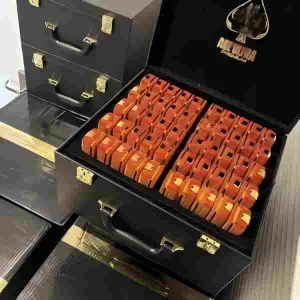
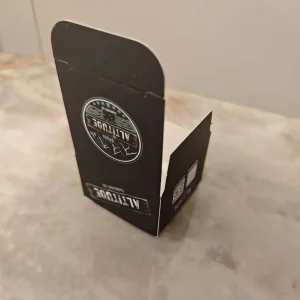
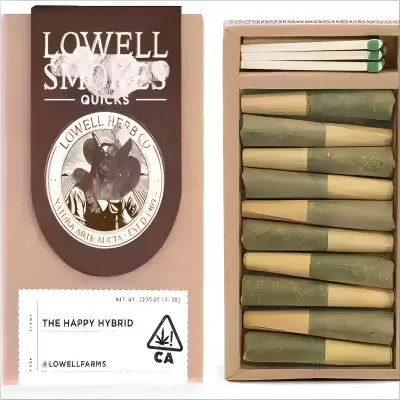
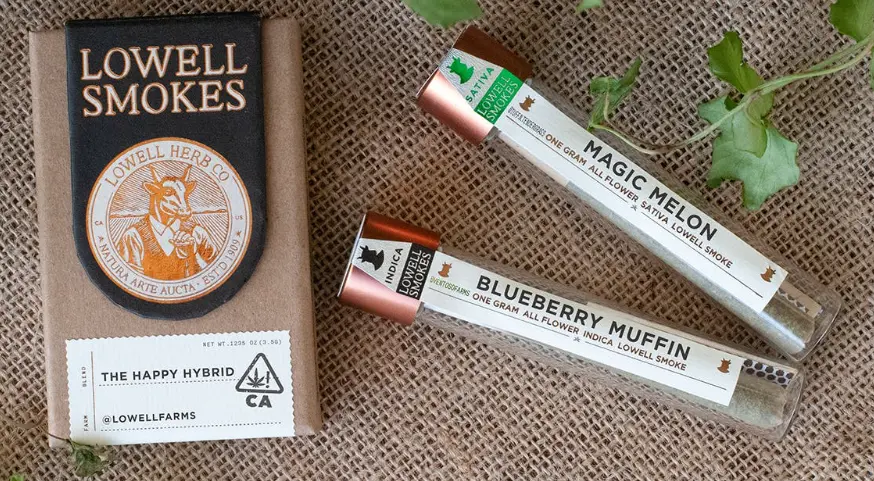
In modern logistics, packaging is not merely a branding element; it is an engineered component of shipping and product security. Rigid tray boxes, sliding drawer sleeves, and molded fiber container fitments represent the pinnacle of product protection. From a physics perspective, the classic Tray and Sleeve combination distributes external pressure evenly across perimeter walls, protecting delicate items like consumer electronics, premium vapes, medicinal pre-rolls, and luxury confectioneries from vertical crush and lateral shear stresses during air and sea transit.
Modern packaging factories utilize precise measurements (Cobb sizing value for moisture absorbency, edge crush tests for structural walls, and burst strength indexes) to design packaging that outperforms standardized box forms. By varying grammages of SBS (Solid Bleached Sulfate) paperboard, CCNB (Clay Coated Newsback), or premium recycled Kraft papers, designers calculate precise load-bearing caps for tray box structures. A corrugated tray, for instance, provides exceptional thermal insulation and mechanical dampening, which is critical for food delivery and electronic goods.
Global demand is rapidly shifting towards circular packaging models. Regulations like the European Union's Packaging and Packaging Waste Regulation (PPWR), UK’s Plastic Packaging Tax, and the US FDA's Title 21 CFR (for direct food contact) mandate rigid adherence to toxin-free, highly recyclable materials. High-quality packaging manufacturers source FSC-certified pulps and employ aqueous-based or bio-based PLA (Polylactic Acid) barriers rather than traditional petroleum-based PE liners. This transition enables companies to offer completely biodegradable takeaway cup trays and compostable food boxes without sacrificing resistance to moisture and grease.
Furthermore, structural optimization minimizes excess void space, reducing dimensional weight during logistics—which directly cuts down carbon footprints and overall shipping expenditures. Utilizing vegetable-based or VOC-free inks for custom high-definition offset printing ensures that the visual brilliance of the packaging does not compromise its ecological viability or safety when entering regional markets.
Innovative designs configured to satisfy demanding global standards in food service, luxury cosmetics, and pharmaceutical containers.
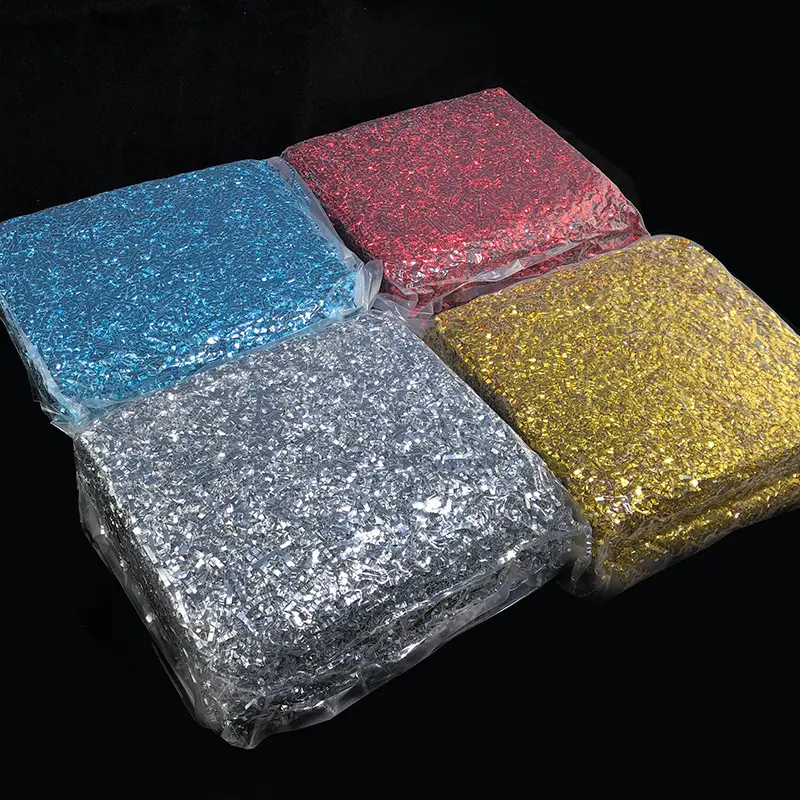
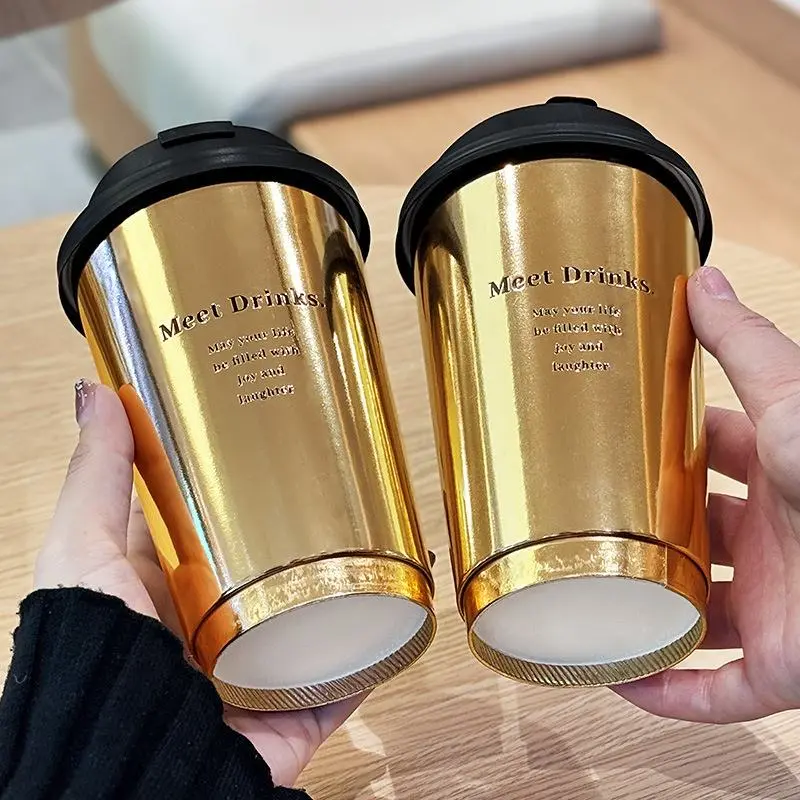
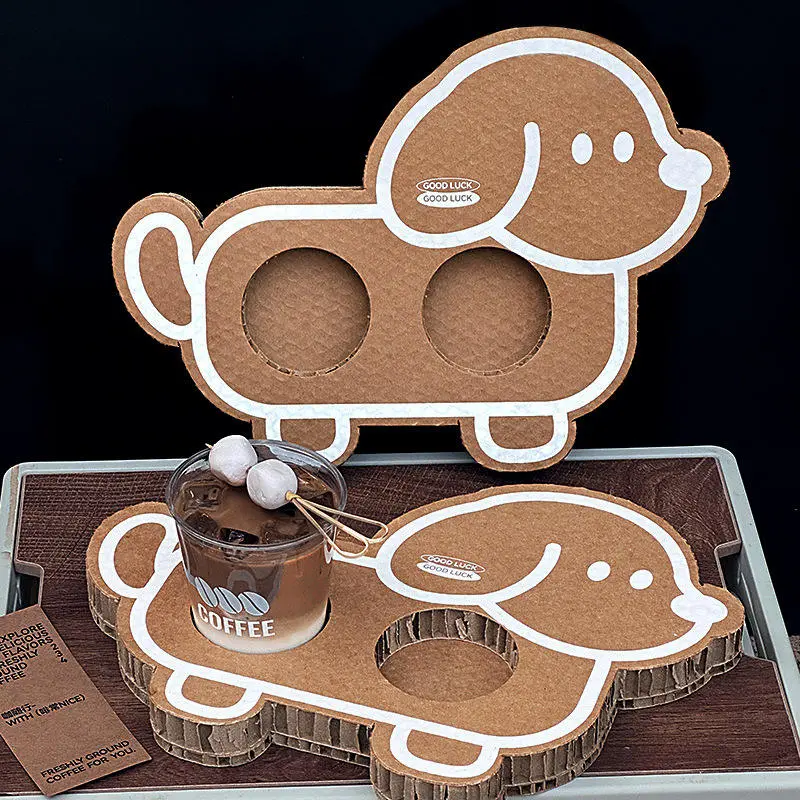
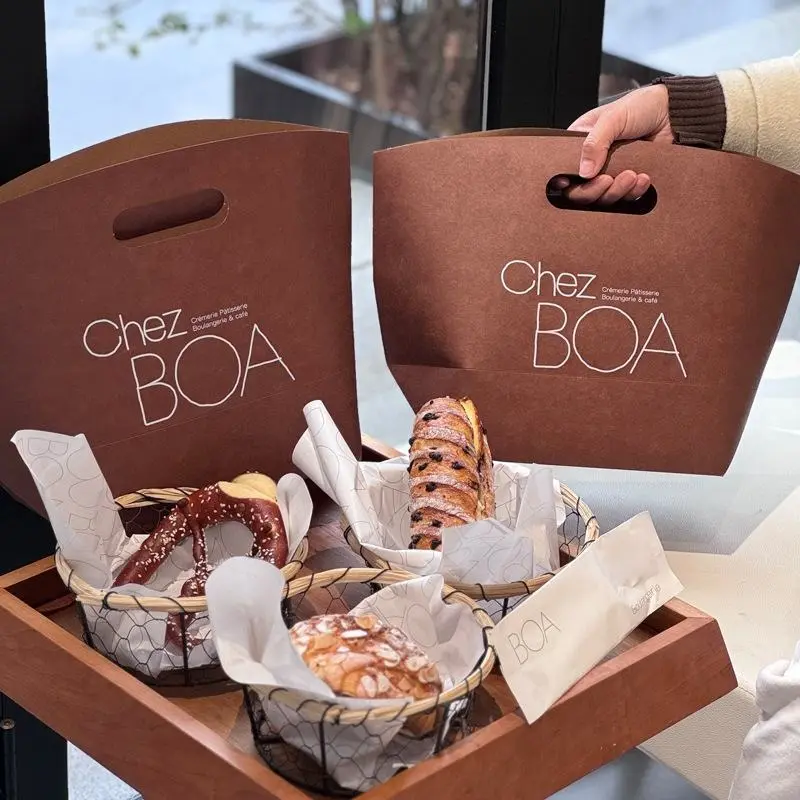
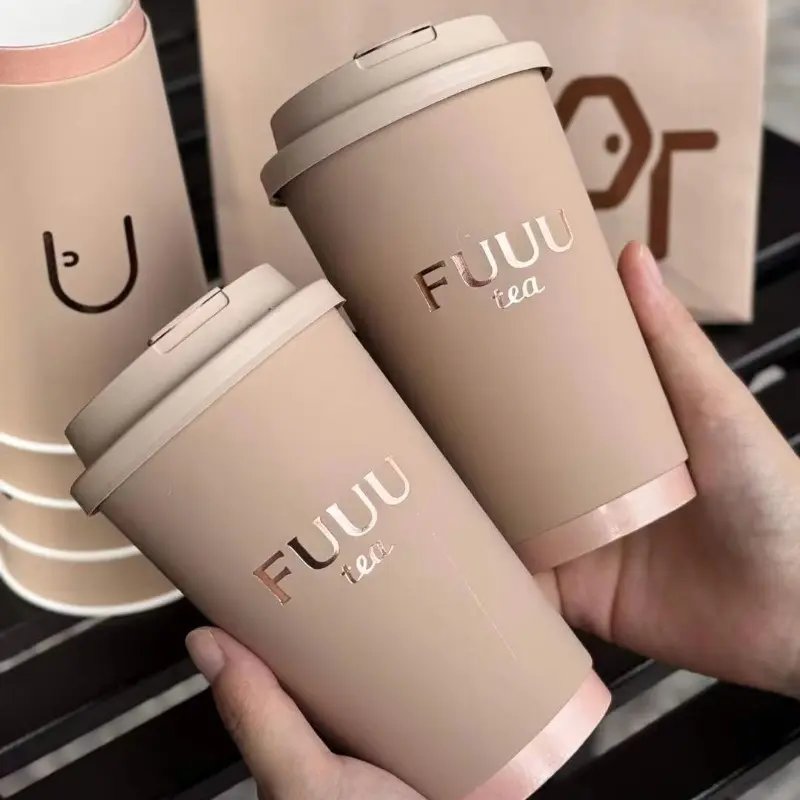
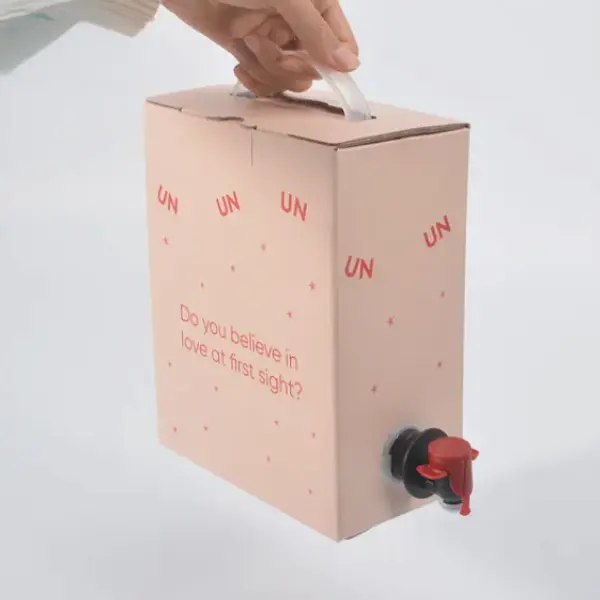
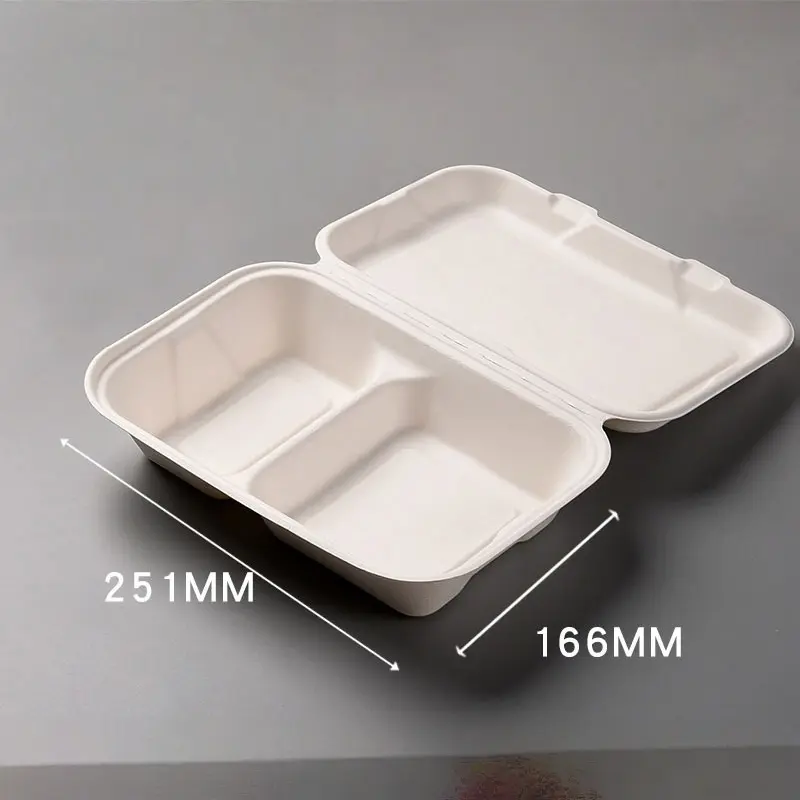
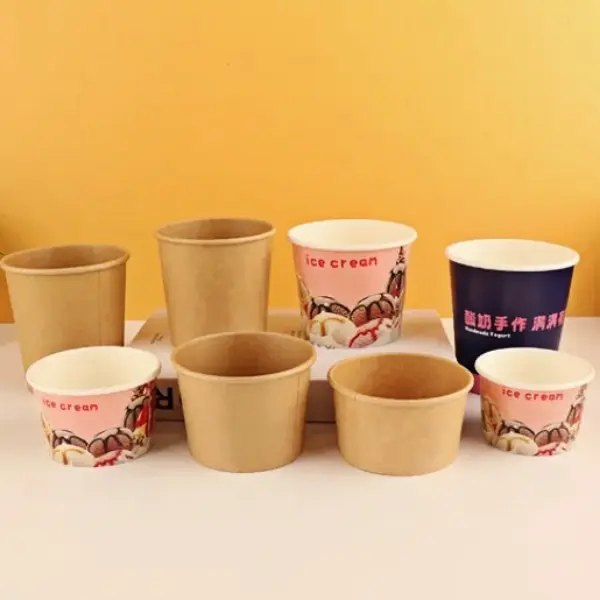
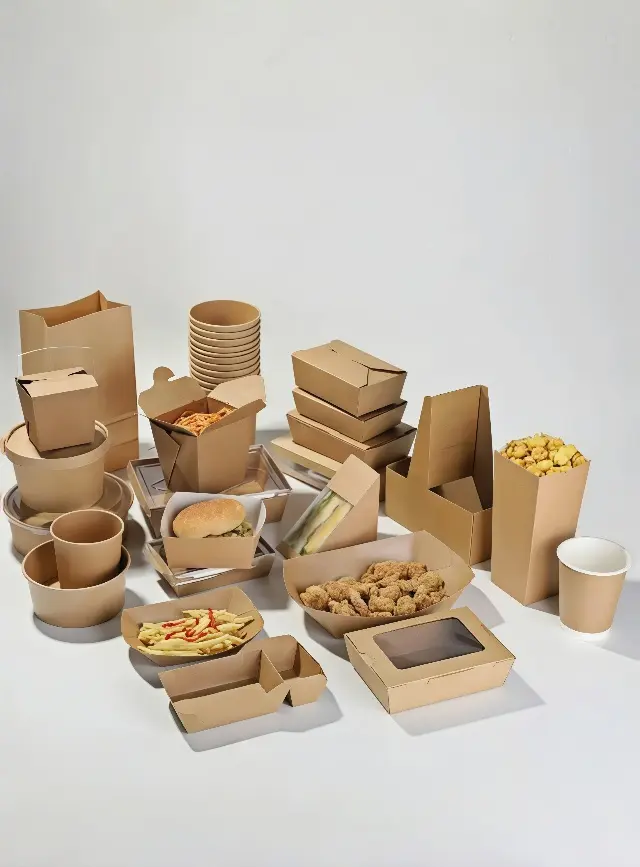
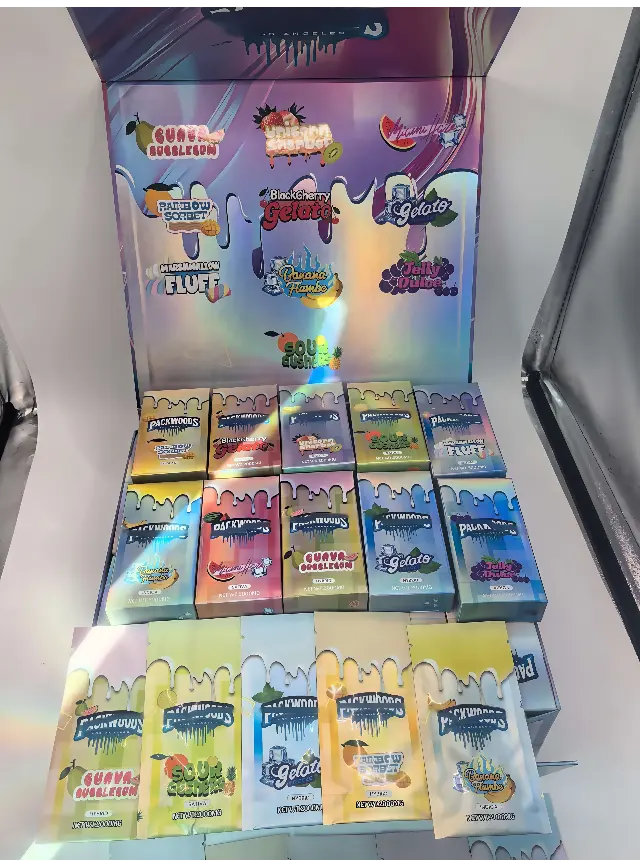
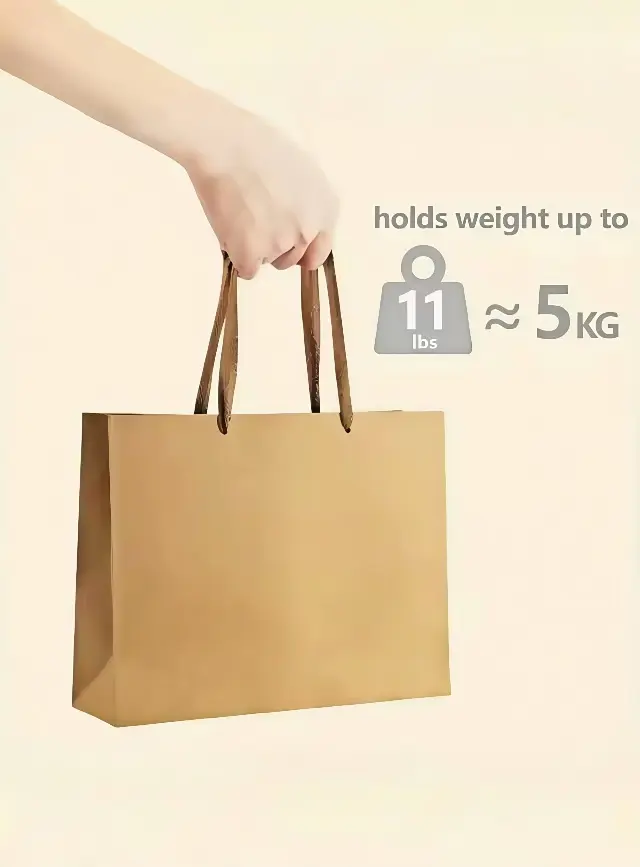
Established in 2017, Brightpack has evolved into a premier design house and manufacturer specializing in custom tray box systems, eco-friendly food service items, and luxury rigid packaging. Our integrated, one-stop service covers the entire life-cycle of packaging development: from industrial CAD design, structural tolerance validation, raw material sourcing, and high-definition litho-printing to stringent multi-point quality inspections and international logistics execution.
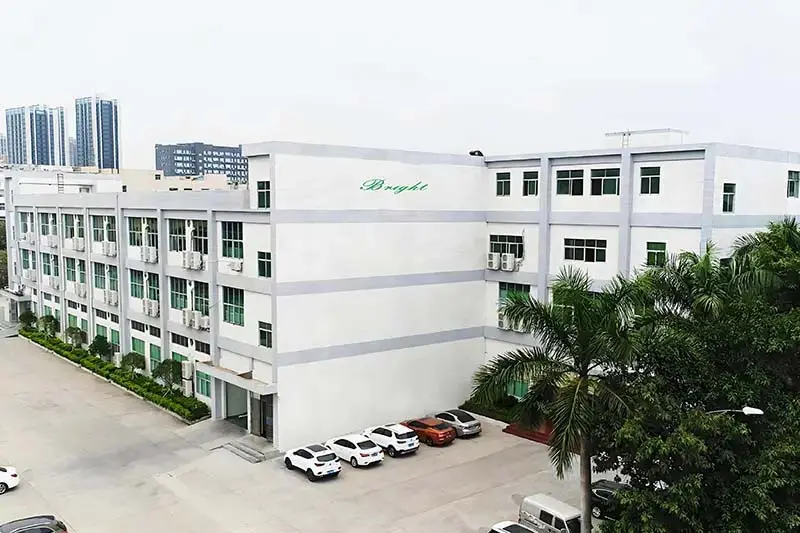
Operated from our 2,000 square meter, state-of-the-art facility, we coordinate a highly optimized assembly structure designed to manage high-mix, low-volume orders as easily as continuous bulk runs. With a dedicated team of over 100 industry professionals, we prioritize structural accuracy, visual refinement, and international compliance, making us the partner of choice for rapidly scaling consumer brands globally.
Tray box packaging plays different roles depending on the regional market and the specific industry. Understanding these localized requirements allows brands to tailor their packaging strategies to meet local expectations and standards.
China's packaging industry remains a cornerstone of the global supply chain, driven by its integrated raw material ecosystems, specialized manufacturing technology, and logistics infrastructure. The Pearl River Delta and Yangtze River Delta packaging hubs consolidate chemical suppliers, specialized paper mills, custom mold makers, and automated equipment manufacturers in close proximity. This network allows manufacturers to secure high-quality SBS board, biodegradable aqueous coatings, and specialized structural paperboard at stable costs, even amid global market volatility.
This ecosystem supports unmatched response speed. Brightpack provides rapid prototyping within 3 days and completes complex bulk manufacturing runs within 7 days. By maintaining a network of qualified materials partners, we help clients avoid production bottlenecks, ensuring consistent supply and stable pricing for international brands.
Our complete custom manufacturing process is engineered for design fidelity, structural accuracy, and compliance at scale.


Why leading global enterprises partner with Brightpack for high-performance packaging manufacturing.

We build our packaging systems in alignment with destination-country standards, including EU REACH, US FDA 21CFR food safety requirements, and German BfR paper-contact recommendations. Our design process identifies and resolves potential customs compliance issues early, helping brands avoid costly shipping delays.


Equipped with state-of-the-art automatic die-cutters maintaining a tolerance of ≤±0.5mm and high-resolution litho-presses up to 1200 dpi, we craft drawer sleeves with smooth, friction-fit sliding mechanics. Custom finishes like debossing, foil stamping, and holographic elements are completed in-house to protect brand presentation.

From initial inspection of raw materials to simulation testing of transit stress—such as compression tests and drop tests—we trace every stage of production. With 15 quality check checkpoints, our final defect rate is maintained below 0.5%, significantly outperforming the industry standard of 3.0%.

Our centralized manufacturing system enables fast-track production: 3 days for custom CAD physical mockups and 7 days for rush bulk production. For large-scale contracts, we maintain a 98% on-time delivery rate, allowing brands to remain agile and adapt quickly to shifting market demands.
The packaging industry is transitioning from static protection to interactive, intelligent systems. Our technical roadmap focuses on three primary developments designed to help brands add value, trace product lifecycles, and meet sustainability goals:
Expert articles detailing trending structural design trends and practical guides for custom branding.
Find answers to common questions about material specifications, order processing, and compliance protocols.
High-performance designs engineered for retail display, e-commerce shipping, and specialized component protection.