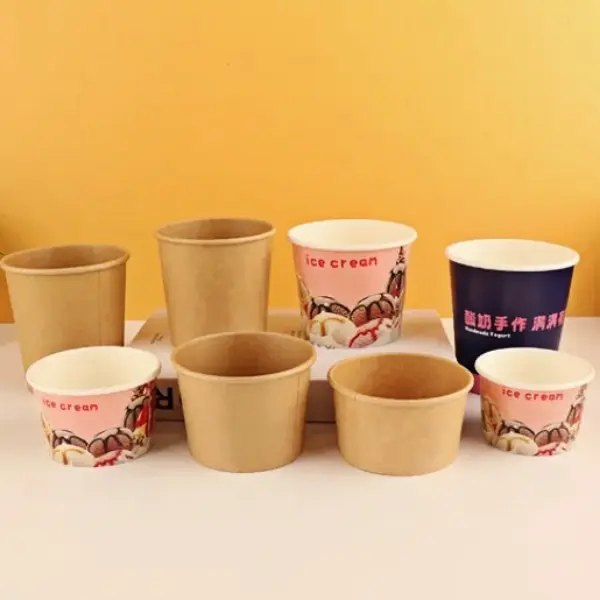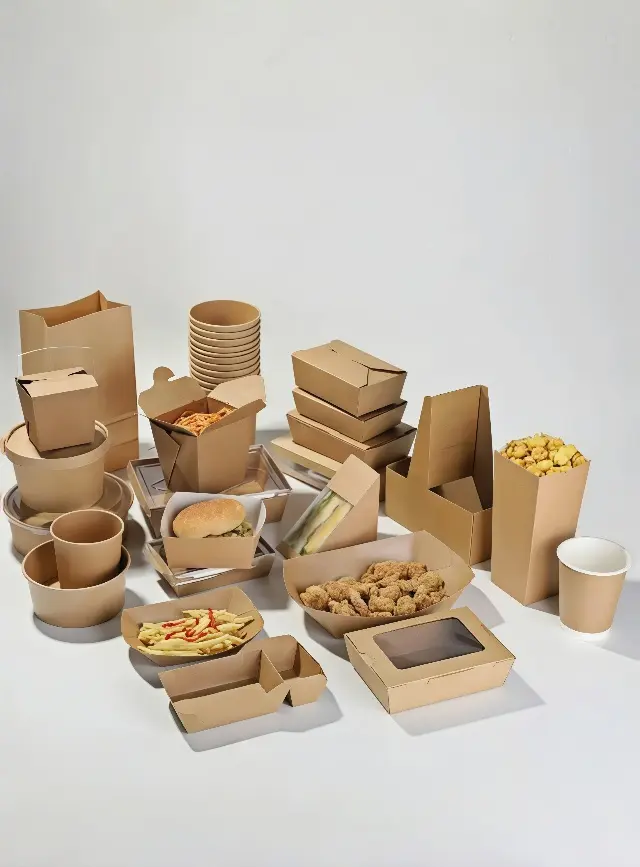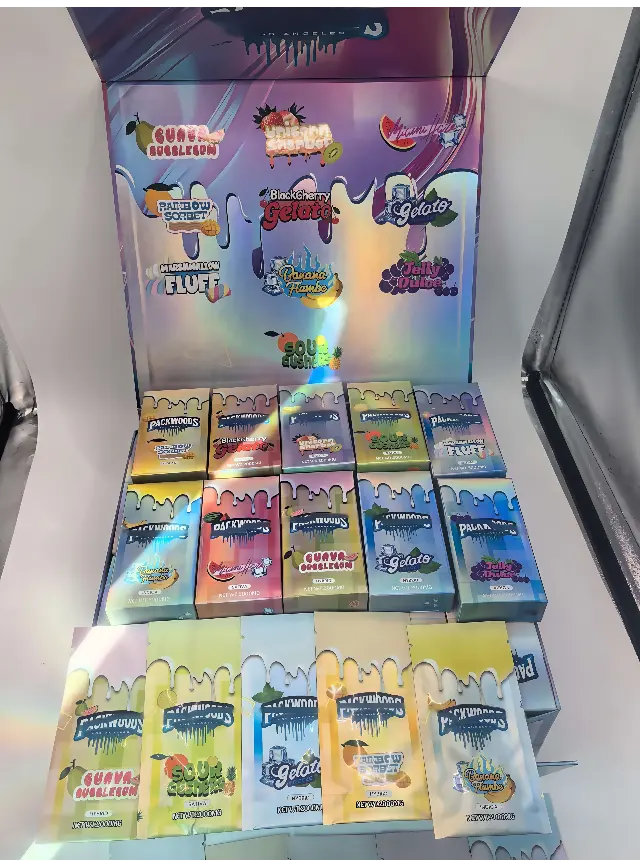
The global packaging sector is undergoing a profound structural transition. What was once a simple utility of physical commerce—retail packaging—has evolved into a focal point of environmental regulation, supply-chain resilience, and brand identity. At the heart of this shift lies the rapid expansion of the Paper Merchandise Bags sector. This market, valued at over USD 5.8 billion globally, is projected to maintain a compounded annual growth rate (CAGR) of over 6.2% through the end of the decade.
This acceleration is driven primarily by rigorous state-mandated legislative measures targetting single-use plastics, including the European Union's Extended Producer Responsibility (EPR) regulations and the United States' state-level plastic bag prohibitions. Multinational retail chains and niche boutique brands alike are transitioning to high-durability, premium paper-based solutions. However, this switch introduces critical supply-chain challenges: suppliers must maintain high mechanical tear resistance while offering competitive pricing, structural flexibility, and strict environmental certifications (such as FSC (Forest Stewardship Council) certification).
For modern enterprises, selecting a paper merchandise bag manufacturer is no longer merely a transaction; it is a critical step in corporate carbon footprint reduction. High-quality paper bags are designed to handle variable moisture environments, high load-bearing demands, and complex structural stress tests, ensuring consumer satisfaction and safeguarding the physical integrity of products from point-of-sale to the customer's home.
Standard paper carrier bags have traditionally struggled against moisture and grease. Today, material science has introduced water-dispersed polymer coatings and bio-based PLA (Polylactic Acid) barriers. These innovations ensure paper bags remain 100% recyclable and marine-biodegradable while offering superior oil-and-water repellency.
By optimizing wood fiber length using Nordic softwood pulp, modern manufacturing allows for thinner base materials (reduced GSM) while simultaneously boosting puncture resistance and tensile index values. This reduces material footprint and overall cargo transport weight.
Water-based flexographic and soy-based inks have replaced conventional heavy-metal synthetic inks. This ensures that custom logos and brand visuals do not compromise soil chemistry during biodegradation, making the packaging safe for municipal composting programs.
Luxury boutiques demand thick, structured merchandise bags featuring customized embossing, foil stamping, and reinforced cotton rope handles. The material must reflect brand prestige while supporting the load of structured clothing boxes.
Takeout bags require wide bottom gussets to prevent food containers from tipping over. Special moisture-resistant properties prevent steam condensation from weakening the paper fibers, ensuring safe delivery.
High-grade kraft paper mailers with dual peel-and-seal adhesive strips facilitate efficient packing and customer returns. High-bursting strength paper ensures parcels withstand rough global shipping sorting machines.
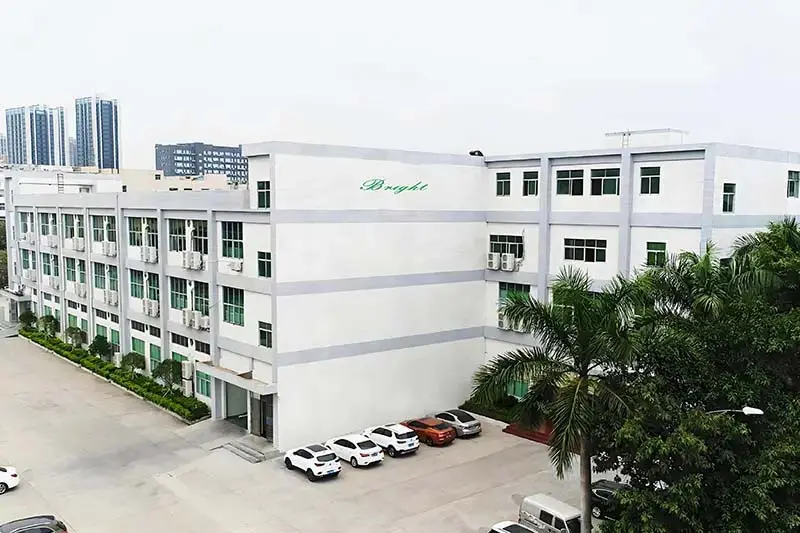
Since its establishment in 2017, Brightpack has evolved into a leading manufacturer specializing in premium custom packaging solutions for global markets. We combine functional design, high-quality materials, and advanced production to create packaging that elevates brand identity and meets international standards.
Our one-stop service covers every stage from design consultation, material selection, and custom printing to strict quality control, logistics coordination, and compliance support. Backed by a 2,000㎡ modern facility and a team of 100+ skilled professionals, we ensure precision, efficiency, and reliability in every order.
Whether you need luxury gift boxes, eco-friendly packaging, or industry-specific solutions, our commitment to innovation and customer satisfaction makes us your trusted partner for global packaging success.

Specialized in export-oriented packaging design, we’ve studied regulations of 50+ target countries/regions (e.g., EU REACH for packaging materials, US FDA 21CFR for food-contact items). For example, when handling wooden-component packaging, we strictly apply the IPPC marking process. By pre-resolving 90% of potential customs clearance risks in the design phase, we ensure smooth overseas shipping, saving you from costly delays.


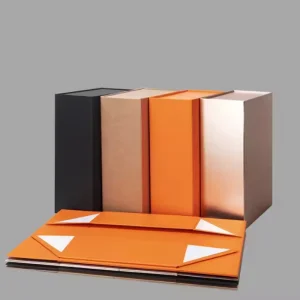
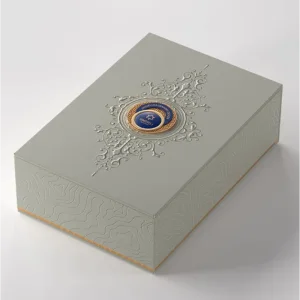
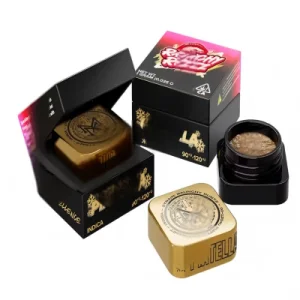
Backed by advanced die-cutting (tolerance ≤±0.5mm) and HD printing (resolution up to 1200dpi) equipment, we master complex structures like auto-lock bottom folding boxes and luxury rigid boxes with lids. For high-end brands, our holographic anti-counterfeiting + embossing processes can boost brand perceived value by 35%, accurately translating your brand identity into packaging.

From sourcing FSC-certified paper to using VOC-free inks, we control every material. In finished product testing, we simulate 10+ transportation scenarios (ocean shipping vibration, air freight drop tests). Each batch goes through 15 inspection checkpoints, achieving a defect rate of less than 0.5%, far below the industry average of 3%.

With a 2,000㎡ owned factory and a 3-tier outsourcing network, we offer:
Small batches: 3-day sampling, 7-day mass production.
Large orders: 98% on-time delivery for 100,000-unit orders, thanks to lean production scheduling. This agility matches your business expansion, whether you’re testing new markets or scaling up globally.

Defining client parameters, volume, dimensions, and compliance milestones.

Generating technical structural drafts, folding prototypes, and 3D mockups.

Selecting base GSM weights, fiber styles (kraft vs white), and finish options.

Manufacturing production-grade physical samples for mechanical and optical validation.

Color proofing (CMYK/Pantone alignment) and checking die-cut positioning.

Applying high-speed water-based flexographic and offset print methodologies.

Implementing lamination, foil hot stamping, debossing, or coating treatments.

Using automated laser die-cutters to shape and fold structures accurately.

Checking alignment, bond strength, and load-bearing tolerance under load stresses.

Flat-packing in palletized cartons with moisture desiccant protection for export.
The trajectory of high-quality paper merchandise bag manufacturing focuses on absolute circular economy compatibility. Over the next three to five years, industrial players are investing heavily in two primary technology streams: material decarbonization and supply chain intelligence.
Our research and development pipeline aims to increase post-consumer recycled paper content to 100% without losing mechanical tensile properties, utilizing microfibrillated cellulose (MFC) additives to reinforce fiber connections.
By implementing block-chain tracking systems from FSC forest concessions to end-delivery points, customers can scan an on-bag QR code to review verified LCA (Life Cycle Assessment) data and CO2 emission footprints.
Replacing traditional water-based acrylics with plant-derived bio-resins extracted from agricultural by-products allows for 100% repulpability in existing recycling processing plants.
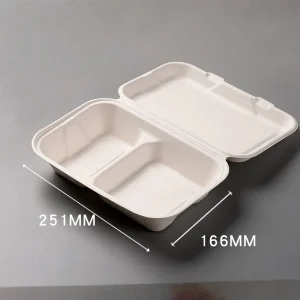
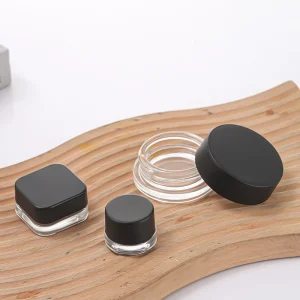
Date: 25-05-21
Are you ready to take your product presentation to the next level? Look no further! We specialize in developing tailored packaging architectures that emphasize structural strength, color consistency, and eco-compliance.
Date: 25-05-13
Discover how customizing raw kraft materials with embossing, organic inks, and custom cord designs can elevate consumer satisfaction, converting standard utility carriers into active marketing channels.