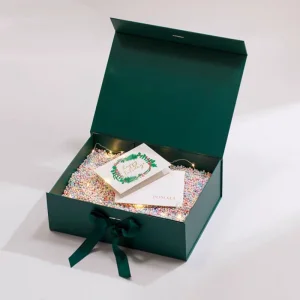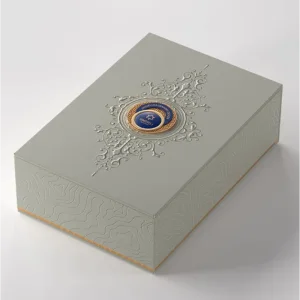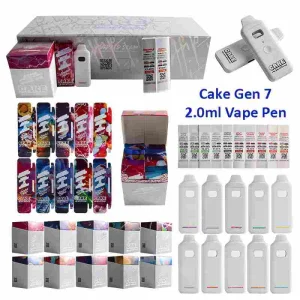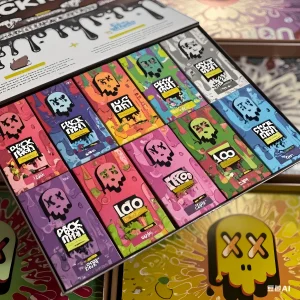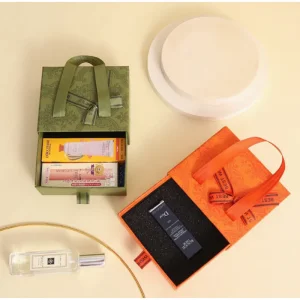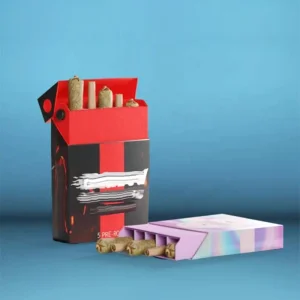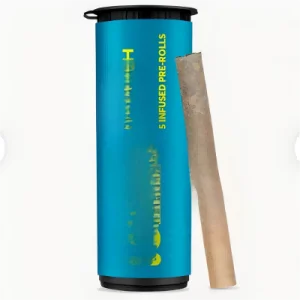
Discover our primary selection of advanced structural templates, child-resistant systems, and custom rigid display styles designed for global export.
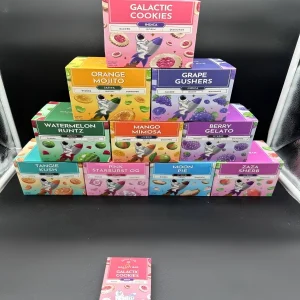
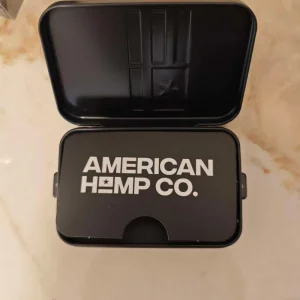
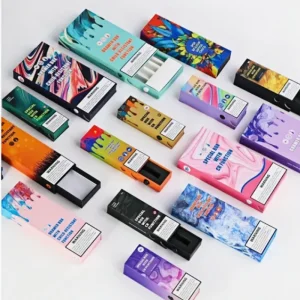
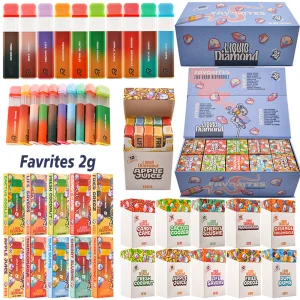
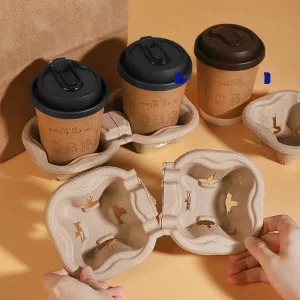
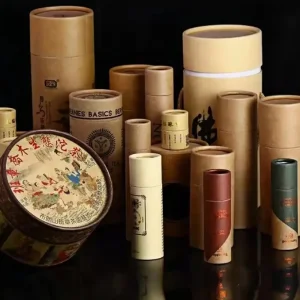

In the contemporary global distribution and packaging ecosystem, physical sampling is no longer merely a preliminary step in pre-press verification. It has evolved into a key element of structural risk mitigation. According to industry research, packaging faults identified at the mass-production stage incur costs up to 25 times greater than those resolved during structural prototyping. As direct-to-consumer (DTC) ecosystems expand and complex retail supply chains demand higher performance, the request for a high-quality packaging box sample is the standard method to verify box integrity, surface aesthetics, and functional safety.
From rigid, magnetic-closure display cartons to food-safe pulp containers, modern packaging serves two primary purposes: secure transport containment and high-impact brand presentation. Achieving these goals requires deep expertise in materials science, precision engineering, and global logistics rules. Brands need to work with packaging partners who understand structural physics and run strict testing procedures. This ensures that every sample can transition smoothly into high-volume manufacturing without sacrificing design intent or product protection.
At this industrial scale, prototyping is guided by detailed technical standards. Designers assess physical qualities such as compressive strength, burst limits, and ink adhesion. This technical approach guarantees that the custom packaging sample reflects the exact visual and functional properties of the final production run.
The complex processes behind creating and verifying high-fidelity custom samples.
Every layout begins with a custom vector dieline. We precisely calculate all folding tolerances and paper thickness variables using modern CAD software. This step ensures clean creasing lines and seamless automatic locking on the production line.
Selecting the right material is essential. We evaluate fiber direction, weight (GSM), and density across different paper types—including Solid Bleached Sulfate (SBS), Kraft, and recycled paperboard—to achieve the ideal balance of durability, weight, and look.
Our automated digital cutting tables create precise unprinted structural samples without requiring expensive die tooling. This rapid process lets brands inspect physical dimensions and fit tolerances within hours.
Once the unprinted structural mockup is approved, we create a high-fidelity digital sample that displays full graphic print alignment, surface treatments, and final structural additions (such as custom plastic-free thermoformed pulp inserts or soft EVA foam). We use exact CMYK and Pantone color-matching systems to keep variance under Delta E < 2.0. This strict calibration guarantees that color reproduction matches across different material surfaces and printing runs.
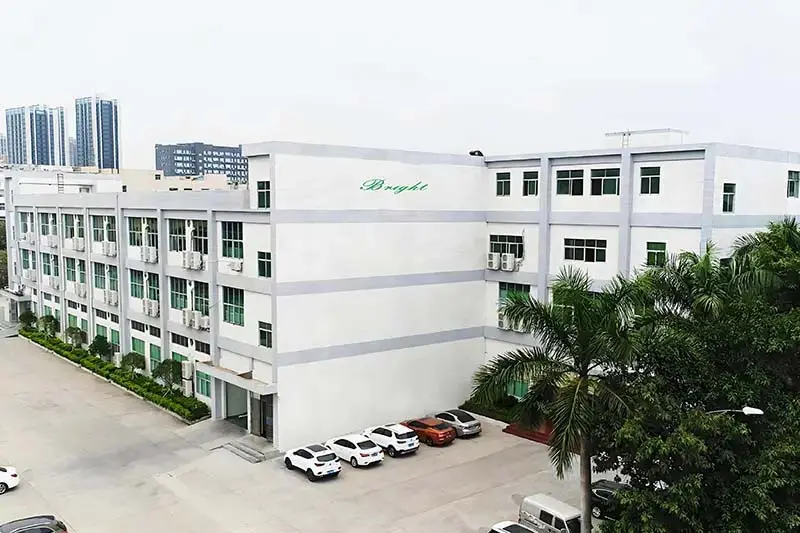
Since its establishment in 2017, Brightpack has evolved into a leading manufacturer specializing in premium custom packaging solutions for global markets. We combine functional design, high-quality materials, and advanced production to create packaging that elevates brand identity and meets international standards.
Our one-stop service covers every stage from design consultation, material selection, and custom printing to strict quality control, logistics coordination, and compliance support. Backed by a 2,000㎡ modern facility and a team of 100+ skilled professionals, we ensure precision, efficiency, and reliability in every order. Whether you need luxury gift boxes, eco-friendly packaging, or industry-specific solutions, our commitment to innovation and customer satisfaction makes us your trusted partner for global packaging success.
A structured, 10-step quality-assured workflow from initial concepts to final shipment.


Global distribution networks present harsh conditions for packaging. Freight transit involves physical stresses such as high vibration, impact, dropping, and environmental changes like varying temperature and humidity. These factors can damage structural packaging that is not built to survive them. Therefore, our testing procedures simulate real-world logistics stress to make sure the boxes protect their contents from the factory floor to the customer's hands.
To address this, we subject all packaging designs to rigorous testing. We perform drop tests from varying heights based on target product weights, edge crush resistance (ECT) evaluations, and burst strength analysis (Mullen test). For sensitive fields like medical devices, consumer electronics, and high-end cosmetics, we also test barriers against moisture and grease. By resolving potential weaknesses during the sample phase, we prevent box deformation, product damage, and high return rates at retail points.
Furthermore, the growth of e-commerce has led brands to seek lightweight but highly protective designs. Reducing material weight while maintaining structural strength directly lowers shipping costs and carbon footprints. As packaging box suppliers, we help brands select cost-effective, high-yield boards. This optimizes shipping weight and structural volume without compromising on-shelf presentation or security.
Our design approach combines structural analysis with custom box construction. This ensures our packaging is optimized for automated assembly lines, fast hand-packing, and high-volume retail. By verifying these factors at the sample stage, we help brands achieve faster time-to-market and seamless supply chain integration.
Understanding localized packaging requirements and regional compliance mandates.
Our child-resistant (CR) boxes comply with US 16 CFR 1700.20 protocols. These specialized designs are vital for adult-use markets, cannabis products, and vape cartridges. They require two simultaneous actions to open, ensuring child safety while remaining accessible for adults. Additionally, our food-grade packaging meets direct food contact standards under FDA 21 CFR.
To help brands avoid high plastic taxes, we design zero-plastic structural solutions. We use certified recyclable paperboards, water-based coatings, and plant-based inks (soy and vegetable oils) that meet EU REACH chemical criteria. These components are clean, biodegradable, and fully compatible with paper recycling streams.
Our compliance-first approach ensures that customized packaging samples clear customs without issues. We verify that all materials hold FSC chain-of-custody tracking certificates, confirming sustainable sourcing. By managing these certification requirements early in the project lifecycle, we help brands run smooth, worry-free product launches globally.
The four main advantages of Bright for you to meet all your needs quality of service so that you have no worries.

Specialized in export-oriented packaging design, we’ve studied regulations of 50+ target countries/regions (e.g., EU REACH for packaging materials, US FDA 21CFR for food-contact items). For example, when handling wooden-component packaging, we strictly apply the IPPC marking process. By pre-resolving 90% of potential customs clearance risks in the design phase, we ensure smooth overseas shipping, saving you from costly delays.


Backed by advanced die-cutting (tolerance ≤±0.5mm) and HD printing (resolution up to 1200dpi) equipment, we master complex structures like auto-lock bottom folding boxes and luxury rigid boxes with lids. For high-end brands, our holographic anti-counterfeiting + embossing processes can boost brand perceived value by 35%, accurately translating your brand identity into packaging.

From sourcing FSC-certified paper to using VOC-free inks, we control every material. In finished product testing, we simulate 10+ transportation scenarios (ocean shipping vibration, air freight drop tests). Each batch goes through 15 inspection checkpoints, achieving a defect rate of less than 0.5%, far below the industry average of 3%.

With a 2,000㎡ owned factory and a 3-tier outsourcing network, we offer: Small batches: 3-day sampling, 7-day mass production. Large orders: 98% on-time delivery for 100,000-unit orders, thanks to lean production scheduling. This agility matches your business expansion, whether you’re testing new markets or scaling up globally.
The packaging industry is shifting toward smart production systems and sustainable materials. In the next few years, packaging prototypes will rely on new biological raw materials. We are actively developing packaging bases derived from agricultural waste, including bagasse, bamboo, and straw fibers. These materials require less energy to manufacture and break down quickly in natural environments, helping brands lower their carbon footprints.
Additionally, digital prototyping technologies are speeding up development timelines. Using virtual 3D rendering and augmented reality (AR), brands can inspect dieline adjustments and graphic placement on screen before physical samples are cut. This reduces material waste during early-stage design and helps brands make decisions faster.
At the same time, smart packaging features like NFC tags and secure QR codes are becoming more common. We design these elements directly into our packaging samples. This allows brands to test interactive customer features and verify tracking codes before launching full production runs.
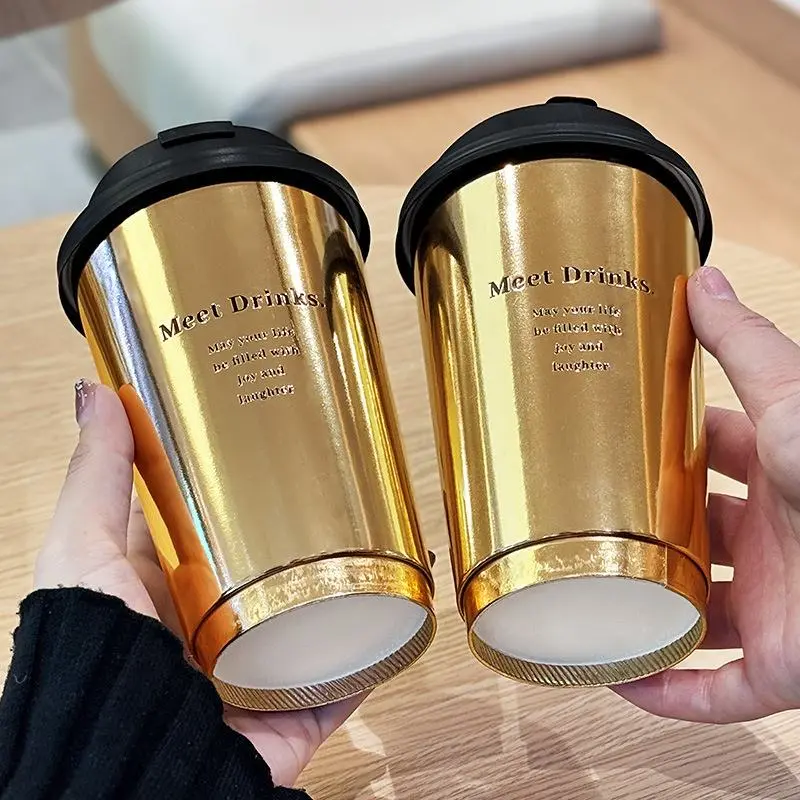
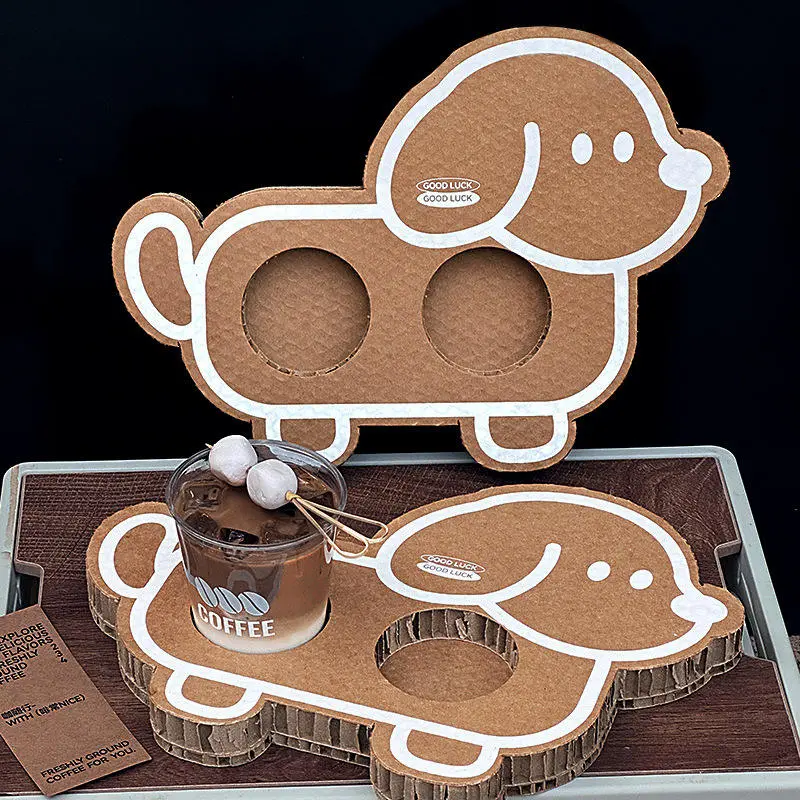
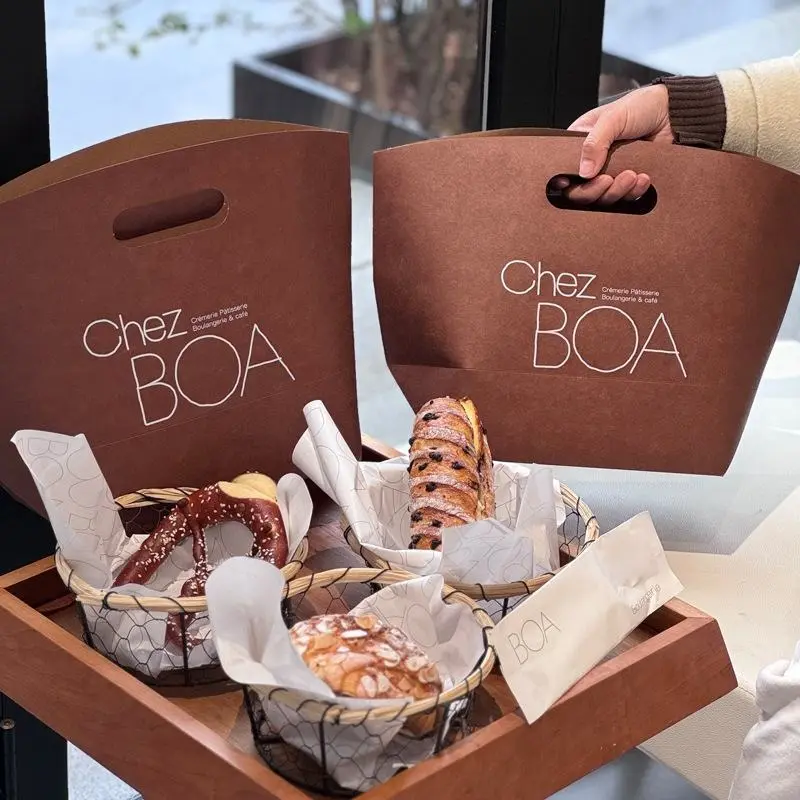
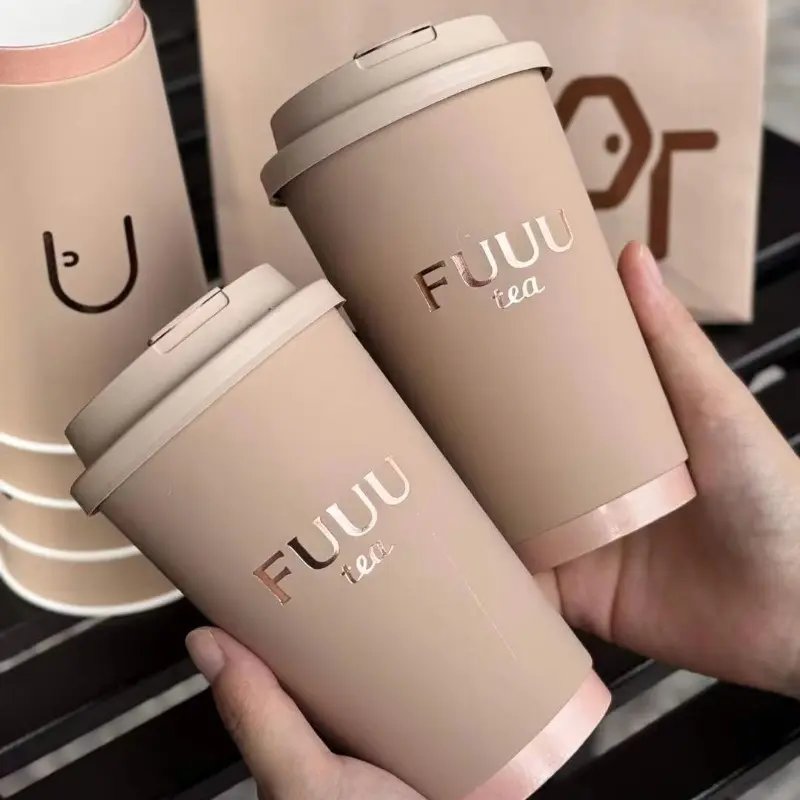
Consumers all over the world use our products to relax, think, and be happy.
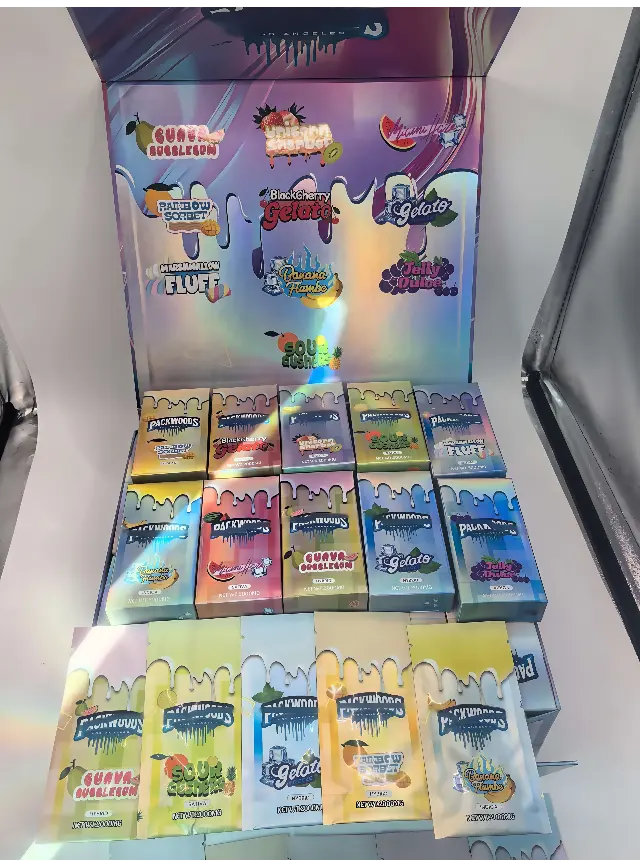
Expert technical answers regarding structural tolerances, materials science, and sampling parameters.
Our production facilities run on precise CNC cutting tables and tooling units that maintain dimensional tolerances within ±0.5mm. This high accuracy is key for luxury rigid boxes and folding cartons, ensuring tight alignment and reliable performance on automated packaging lines.
We design child-resistant boxes to meet the requirements of US 16 CFR 1700.20 protocols. These structures feature locking mechanisms that require two distinct actions to open. We test these designs to confirm they protect children while remaining simple enough for adult consumers to open.
For heavy retail items, we recommend double-wall corrugated board or Solid Bleached Sulfate (SBS) paperboard, depending on the required look. We run Edge Crush Tests (ECT) and Bursting Tests (Mullen) to ensure the materials support stacking and resist tearing during shipment.
Yes, we provide eco-friendly packaging options that carry FSC certification. Our structures use water-based inks and non-plastic coatings, making them biodegradable and easy to process in municipal paper recycling streams.
We typically complete unprinted structural samples within 3 working days using digital plotting equipment. This rapid turn-around allows structural validation and design adjustments before final print tooling begins.
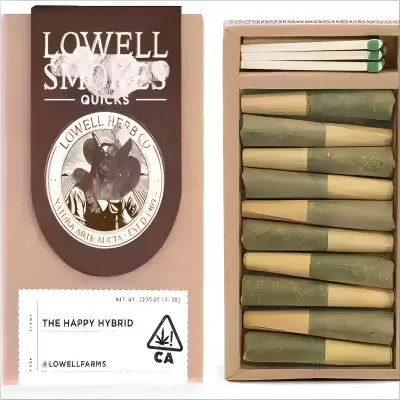
Are you ready to take your product presentation to the next level? Look no further! We specialize in creating high-end structural prototypes...
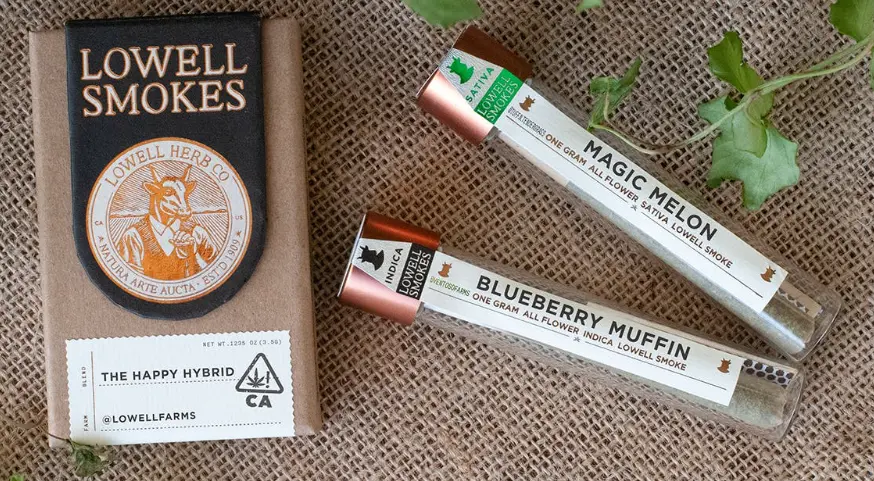
Discover how selecting the right packaging board, density, and finish style can strengthen your brand identity and help your products stand out on retail shelves...
Browse our selection of rigid gift boxes, retail drawer designs, and specialty packaging templates built to client specifications.