
In the contemporary macro-economic environment, packaging has transitioned from a basic transactional container to an integral component of brand equity, logistics safety, and regulatory compliance. High-quality packaging materials serve as the structural framework for international supply chains. Modern brands must optimize their material selections to balance structural integrity, carbon footprint metrics, cost efficiency, and tactile luxury. As regional policies tighten globally—such as the European Union’s Packaging and Packaging Waste Regulation (PPWR) and the United States' rigid FDA mandates—understanding materials at a granular level has become a strategic priority for global businesses.
Information Gain Trend Alert: According to global supply chain data, over 74% of premium cosmetic, wellness, and consumer electronics companies have shifted their primary packaging requirements toward FSC-certified, 100% recyclable greyboard and SBS paperboard structures. This shift is driven directly by changing consumer expectations and strict international export guidelines.
Selecting the appropriate box material requires a thorough understanding of mechanical capabilities, surface finishes, and structural parameters:
| Material Type | Caliper & Weight Range (GSM) | Primary Application Fields | Key Structural Properties |
|---|---|---|---|
| Solid Bleached Sulfate (SBS) | 200 - 500 GSM | Luxury Perfumes, Cosmetics, High-end Food Services | Superior brightness, optimal printability, excellent folding strength. |
| Folding Boxboard (FBB) | 180 - 450 GSM | Pharmaceuticals, Vape Cartridges, Premium Confectionery | Multi-ply design, mechanical stiffness, smooth surface finish. |
| Laminated Greyboard | 600 - 2400 GSM | Rigid Gift Containers, Magnetic Boxes, Electronics | High-density structural core, excellent resistance to compression. |
| Corrugated Fluting (E, F, B-Flute) | 120 - 350 GSM (liners) | E-commerce Mailers, Insulated Coffee Carriers | Crush resistance, thermal insulation, lightweight drop safety. |
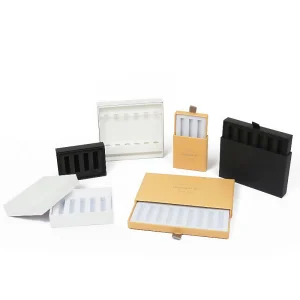
To ensure transit safety, materials are subjected to rigorous stress tests. For instance, our corrugated mailer systems undergo standard Edge Crush Tests (ECT) and Box Compression Tests (BCT) to confirm performance under heavy vertical loads. Solid Bleached Sulfate (SBS) provides a smooth clay-coated surface that enables sharp embossing and holographic details. Meanwhile, rigid lamination techniques combine high-density greyboards with specialty papers to create durable, high-impact structures.
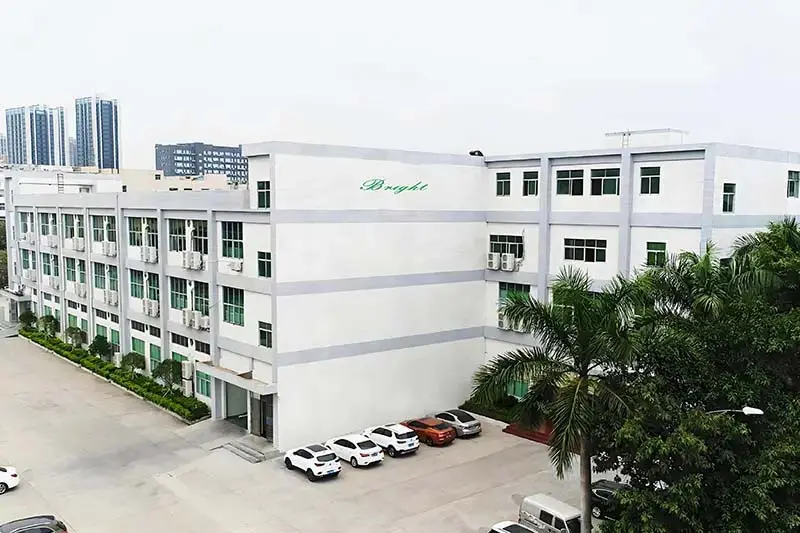
Since its establishment in 2017, Brightpack has evolved into a leading manufacturer specializing in premium custom packaging solutions for global markets. We combine functional design, high-quality materials, and advanced production to create packaging that elevates brand identity and meets international standards.
Our one-stop service covers every stage from design consultation, material selection, and custom printing to strict quality control, logistics coordination, and compliance support. Backed by a 2,000㎡ modern facility and a team of 100+ skilled professionals, we ensure precision, efficiency, and reliability in every order.
Whether you need luxury gift boxes, eco-friendly packaging, or industry-specific solutions, our commitment to innovation and customer satisfaction makes us your trusted partner for global packaging success.


The packaging materials sector is undergoing rapid transformation, guided by strict regulatory guidelines and advancements in material science. For example, replacing petroleum-based barrier coatings with bio-based alternatives (such as PLA and aqueous barrier coatings) is key to meeting recyclability requirements in North American and EU markets. Below are the primary technical shifts currently defining the industry:
Historically, paper cups and takeout containers relied on laminated Polyethylene (PE) films for water and grease resistance. However, traditional PE-coated paper poses challenges for standard recycling facilities. Modern high-quality packaging material suppliers now offer water-based dispersion coatings. These coatings provide excellent moisture barriers while remaining fully repulpable and biodegradable.
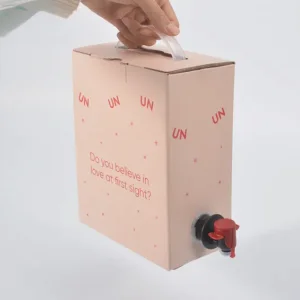
The rise of direct-to-consumer (DTC) channels and micro-fulfillment hubs has increased demand for lightweight, high-strength packaging. Micro-flute designs, such as N-flute and F-flute, offer the rigid structural integrity of traditional corrugated cardboard with a thickness profile comparable to folding cartonboard. This maximizes retail shelf density while providing robust protection against drop impacts.
Life Cycle Assessment (LCA) Focus: Our engineering processes analyze the entire lifecycle of each packaging material. By optimizing fiber structures during refining, we help brands reduce material weight by up to 20% without compromising Edge Crush Test (ECT) performance.
Integrating smart functionalities directly into secondary packaging materials is a growing trend. We offer built-in anti-counterfeiting holographic prints, embedded NFC tags, and secure QR systems for high-value segments like cannabis, vape devices, and luxury cosmetics. These features protect intellectual property and help brands connect directly with consumers.

Specialized in export-oriented packaging design, we’ve studied regulations of 50+ target countries/regions (e.g., EU REACH for packaging materials, US FDA 21CFR for food-contact items). For example, when handling wooden-component packaging, we strictly apply the IPPC marking process. By pre-resolving 90% of potential customs clearance risks in the design phase, we ensure smooth overseas shipping, saving you from costly delays.

Backed by advanced die-cutting (tolerance ≤±0.5mm) and HD printing (resolution up to 1200dpi) equipment, we master complex structures like auto-lock bottom folding boxes and luxury rigid boxes with lids. For high-end brands, our holographic anti-counterfeiting + embossing processes can boost brand perceived value by 35%, accurately translating your brand identity into packaging.

From sourcing FSC-certified paper to using VOC-free inks, we control every material. In finished product testing, we simulate 10+ transportation scenarios (ocean shipping vibration, air freight drop tests). Each batch goes through 15 inspection checkpoints, achieving a defect rate of less than 0.5%, far below the industry average of 3%.

With a 2,000㎡ owned factory and a 3-tier outsourcing network, we offer: Small batches: 3-day sampling, 7-day mass production. Large orders: 98% on-time delivery for 100,000-unit orders, thanks to lean production scheduling. This agility matches your business expansion, whether you’re testing new markets or scaling up globally.
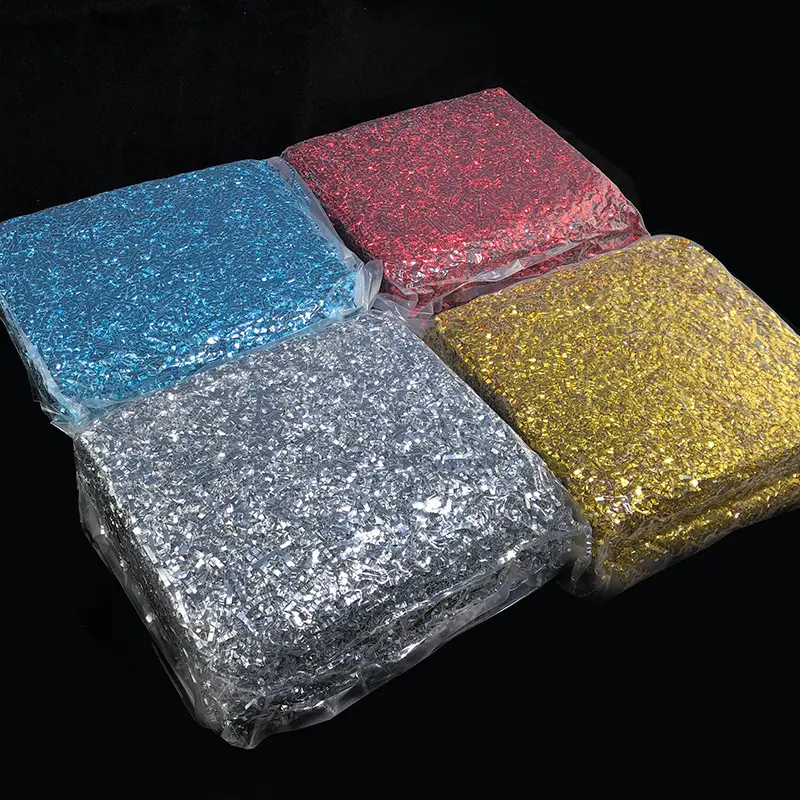
Premium shock-absorbing filler designed to cushion fragile luxury goods during transit.
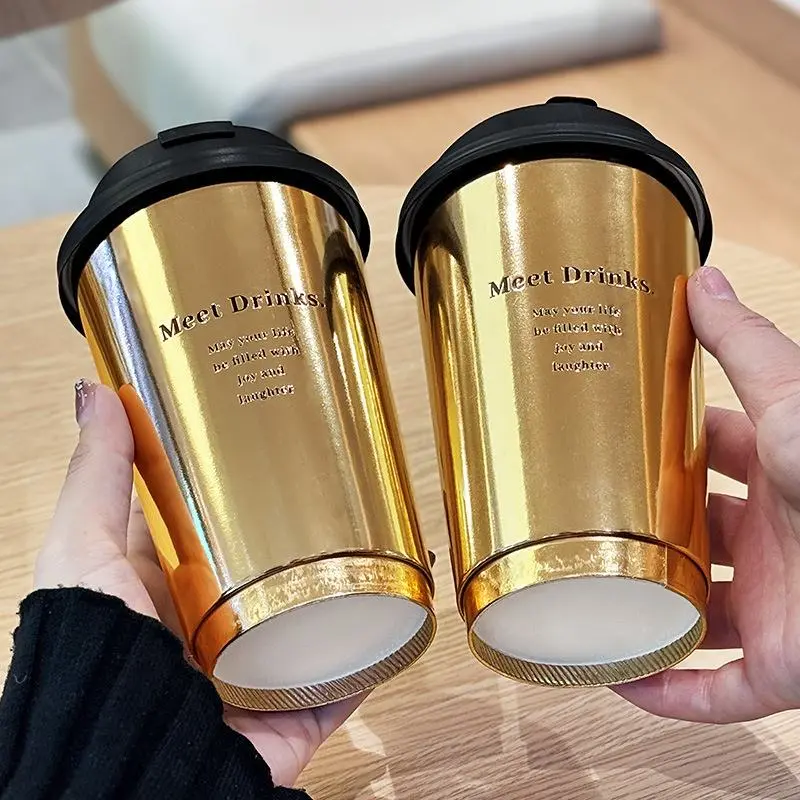
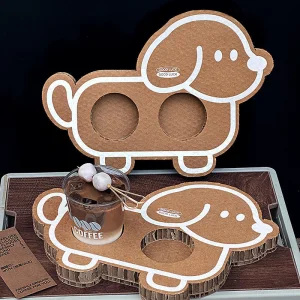
Thermal-resistant double-wall structures designed for high-end beverage service.
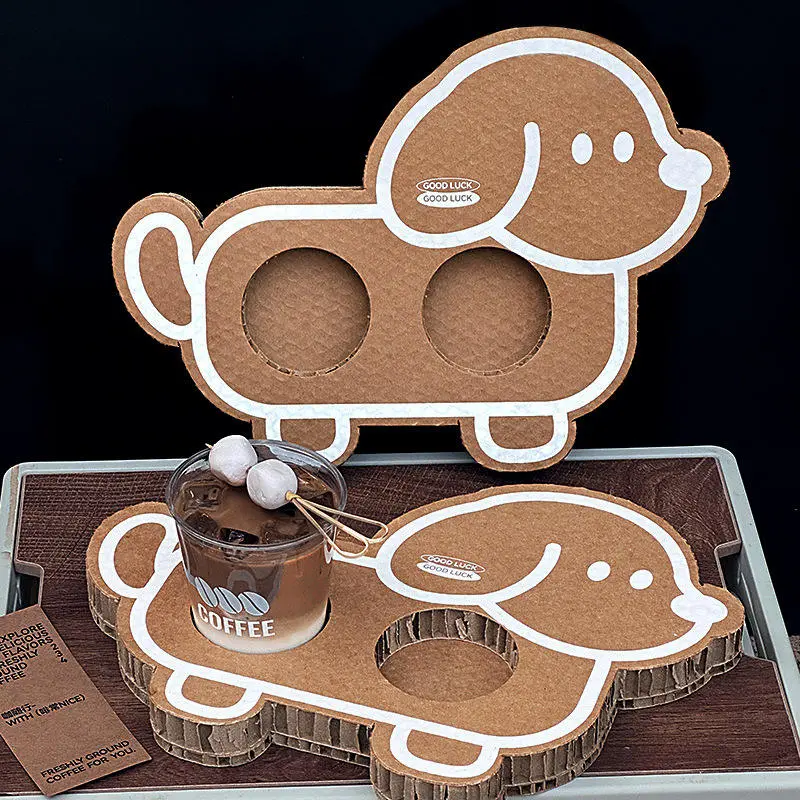
High-load retail display stands, engineered using high-rigidity corrugated board.

Custom-branded, food-grade kraft bags featuring high-tensile handles for retail takeout.
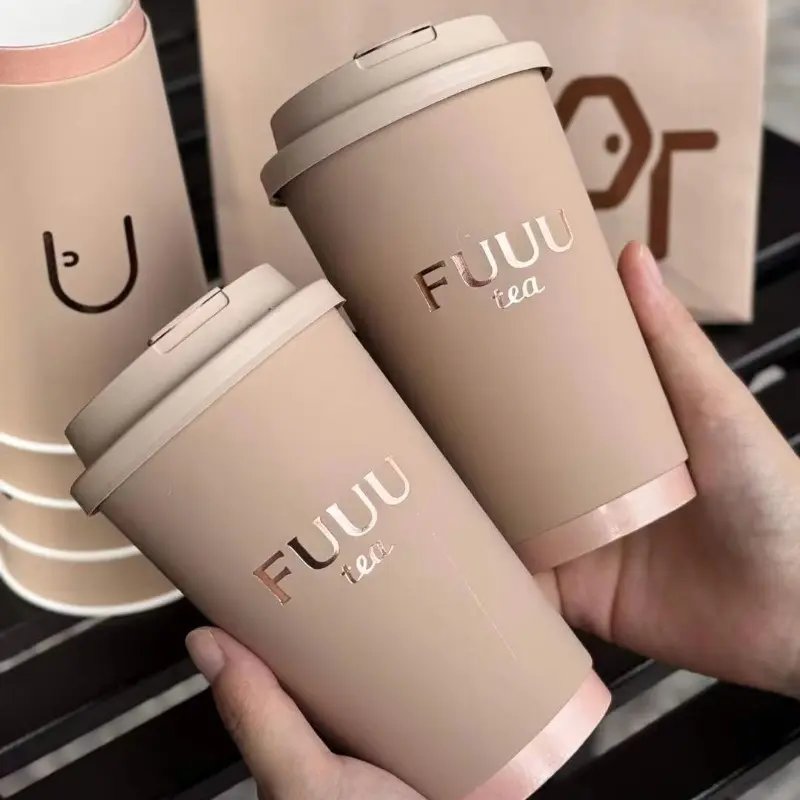
16oz cup-compliant carrying systems, balancing heat retention and stack stability.
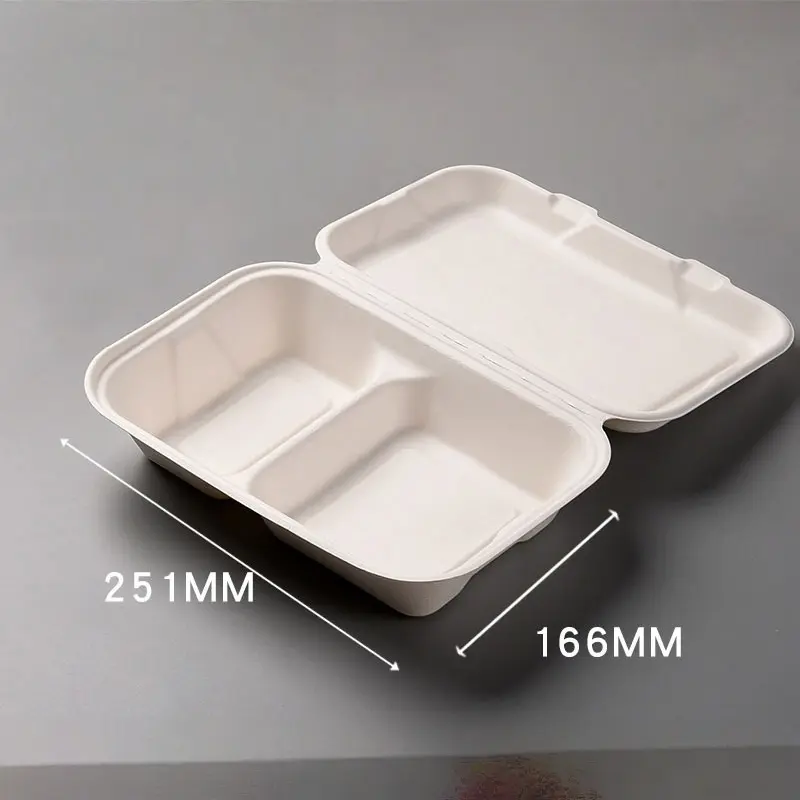
100% biodegradable natural fiber containers designed to meet global plastic-reduction bans.
Different market sectors face unique regulatory requirements and handling demands. Below is a breakdown of how we customize material selection for specific industries:
The fragrance sector relies heavily on tactile appeal and product safety. For luxury perfume packaging, we recommend high-grammage Solid Bleached Sulfate (SBS) boards. SBS provides a clean white base that ensures accurate color matching for custom brand inks. Combining this with deep embossing, holographic hot stamping, and custom inner inserts creates secure packaging that highlights the premium nature of the product.
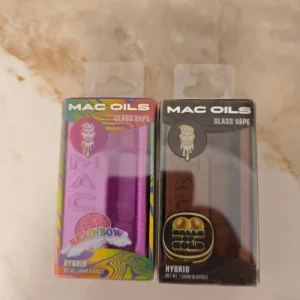
Cannabis and vape products must meet strict regional safety regulations. Working with major manufacturers, we construct certified child-resistant packaging. This includes double-lock sliding mechanisms and specialized paperboard designs that prevent children from accessing the product while remaining user-friendly for adults.
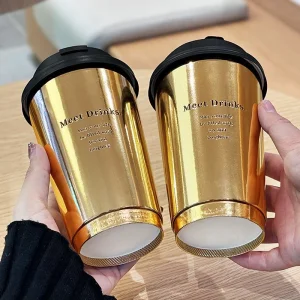
Food-service applications require excellent thermal insulation and structural integrity. For hot beverages, double-wall corrugated structures prevent burning and keep liquids hot. Using FSC-certified pulp and VOC-free, water-based inks ensures that the packaging is both eco-friendly and safe for food contact.
Our facilities use high-end die-cutting systems that keep tolerance variations within ≤±0.5mm. This high precision is crucial for complex structures, such as automatic lock-bottom boxes and magnetic closure rigid gift boxes, ensuring clean folds and snug lid fits during manual or automated assembly.
We use raw pulps that are traceable and FSC-certified. Our primary materials undergo laboratory verification to confirm they contain no harmful heavy metals or restricted chemicals. For food-contact items, we use FDA 21CFR-compliant barrier coatings, and all printing is done with VOC-free, soy-based inks.
For mailers that need both drop protection and a premium look, we recommend E-flute or F-flute (ranging from 1.0mm to 1.8mm in thickness). These profiles offer excellent flat crush resistance, providing a smooth surface for branding while keeping the packaging lightweight to minimize shipping costs.
Our agile supply chain process supports rapid prototyping. Structural sample generation takes 3 days, and full mass production is completed in 7 to 14 days, depending on complexity. Our lean scheduling system maintains a 98% on-time delivery rate for bulk orders of 100,000 units.
Yes, high-quality PCR boards can be laminated with thin textured layers or embossed directly. Modern refining methods ensure that recycled fibers retain their structural strength, allowing for clean lines and tactile patterns even on highly sustainable structures.
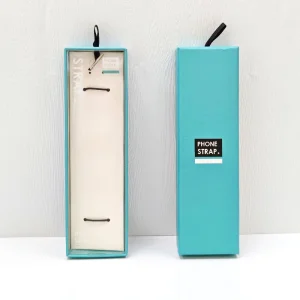
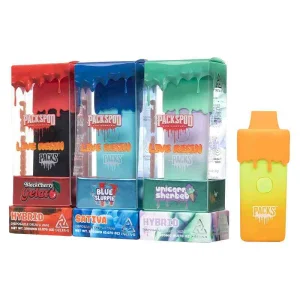
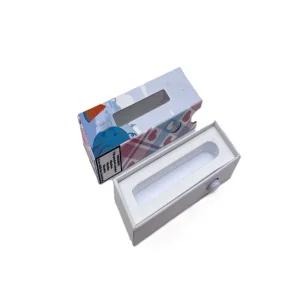
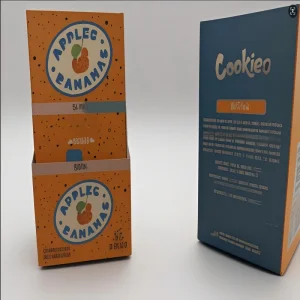
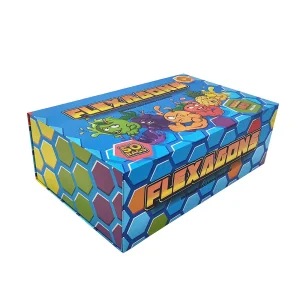
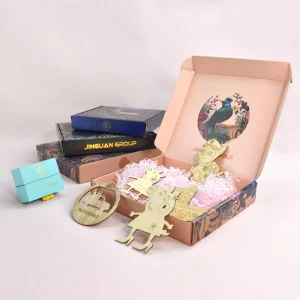
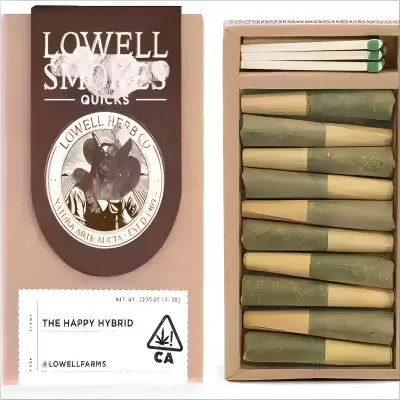
Learn how to select the right material thickness and folding styles to stand out on retail shelves and during unboxing.
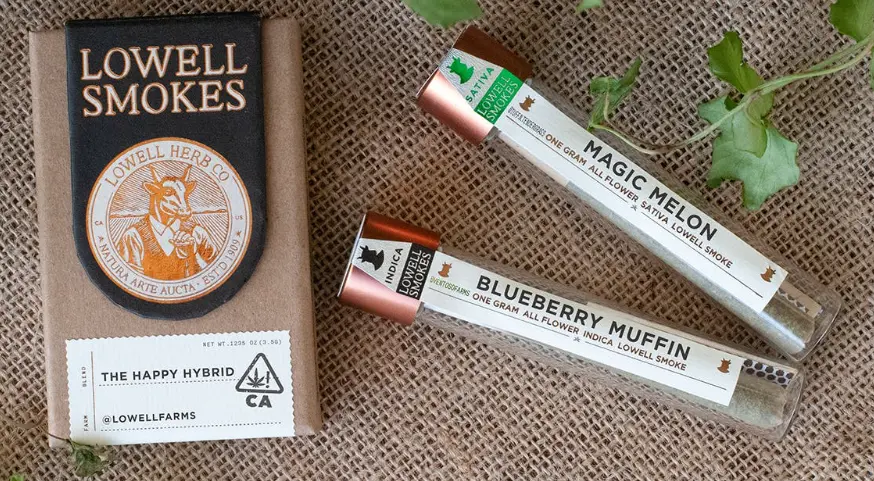
A deep dive into how specialty lamination and embossing techniques can elevate perceived brand value by 35%.