
Premium compliance-first commercial vessels designed to maximize unit value, protect fragile form factors, and pass complex custom protocols globally.
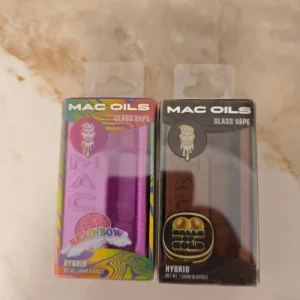
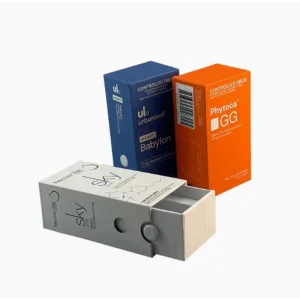
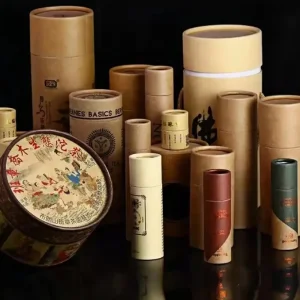
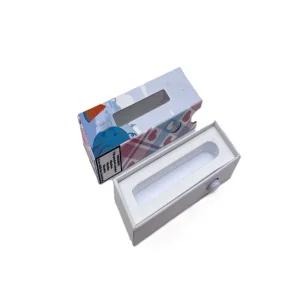
For modern supply chain managers, procurement directors, and brand leads, searching for "box manufacturers near me" represents more than a search for geographic proximity. It is a proxy query reflecting critical underlying business constraints: minimizing turnaround times, eliminating logistical vulnerabilities, maintaining strict structural control, and bypassing complex international regulatory pathways. However, pure localization often introduces severe constraints—such as limited material options, high cost-per-unit structures, and limited finishing techniques. A modern hybrid sourcing framework resolves this tension by partnering with global hubs of packaging excellence in China that maintain direct, localized gateway channels to European, North American, and Asia-Pacific markets.
By shifting procurement strategies to integrate high-efficiency offshore operations, brands leverage raw economies of scale. High-precision tooling, specialized die-making capabilities, and complete access to downstream eco-materials (such as high-yield bagasse agricultural waste and FSC-certified virgin kraft boards) are natively concentrated in these modern packaging industrial clusters. Through rapid sea-air logistics and localized custom brokers, these offshore partners function as if they were situated "near you," dropping premium structural boxes directly to distribution facilities without traditional import friction.
The global packaging ecosystem has established China as its manufacturing base, particularly for complex rigid box production, intricate child-resistant packaging mechanisms, and next-generation biodegradable consumer disposables. This dominance is built on several key factors:
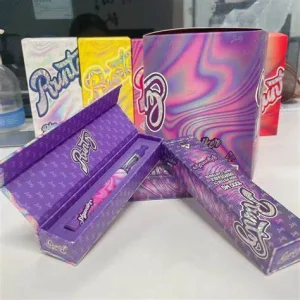
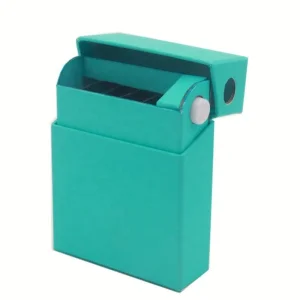
First, integrated supply chains. In specialized hubs like Guangdong and Zhejiang, custom paper board suppliers, ink chemists, tool designers, and automated finishing plants occupy the same ecosystem. This reduces the sourcing time for specialized substrates (such as VOC-free vegetable-based inks, customized PET plastic liners, and biodegradable sugarcane bagasse) to under 24 hours. Second, advanced mechanical precision. Chinese facilities run high-speed Heidelberg offset presses, automated die-cutting machines calibrated to tolerances under 0.3mm, and robotic assembly stations that wrap rigid boxes without human error. This infrastructure is critical when producing precision-fit solutions like the 510 cartridge drawers and child-resistant sliding boxes, where even a tiny variance can compromise safety features.
Global brands can no longer afford to source box packaging that fails basic compliance requirements. Environmental laws like the European Union's Extended Producer Responsibility (EPR) and the UK Plastic Packaging Tax require packaging designs to use less virgin plastic and be easier to recycle. Under our "Compliance-First" design methodology, we actively help brands pivot away from multi-material composites that clog recycling facilities, shifting instead to mono-material virgin fibers, high-density recyclable kraft board, or agricultural side-stream resources like bagasse.
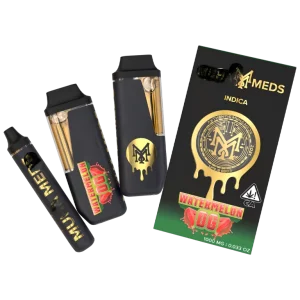
For specialized industries like medical packaging and adult products, legal requirements are even more complex. Child-resistant (CR) boxes must meet strict testing standards, such as the US 16 CFR § 1700.20 and European ISO 8317. Achieving this requires precise engineering of paper locks, release tabs, and internal structural rigidity. We combine strict structural engineering with legal compliance to help brands clear customs smoothly, avoid inventory holds, and protect consumer safety.
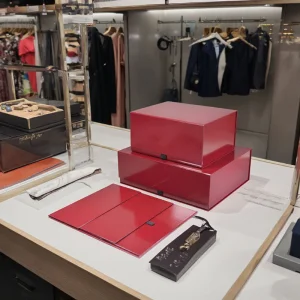
Custom packaging is a key brand touchpoint, serving as the first physical interaction between a customer and a brand. High-end cosmetic lines, luxury electronics, and top-tier consumer packaged goods (CPG) companies use complex surface finishing to increase perceived value. With techniques like selective spot-UV, 3D embossing, foil-stamping (in gold, holographic, and matte pigments), and soft-touch lamination, standard greyboard is transformed into high-end brand assets.
Structural engineering plays a key role here. By optimizing structural layouts, designers can create folding boxes that ship flat to minimize shipping volumes, but click securely into place at the packing line. Our design team analyzes carton geometries to save material, reduce overall box volume by up to 20%, and maintain the top load strength needed to survive palletized transit.
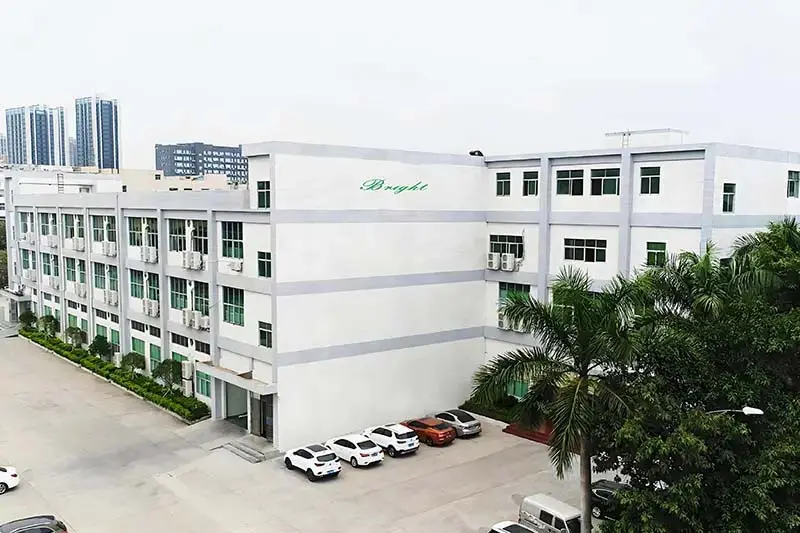
Since its establishment in 2017, Brightpack has evolved into a leading manufacturer specializing in premium custom packaging solutions for global markets. We combine functional design, high-quality materials, and advanced production to create packaging that elevates brand identity and meets international standards.
Our one-stop service covers every stage from design consultation, material selection, and custom printing to strict quality control, logistics coordination, and compliance support. Backed by a 2,000㎡ modern facility and a team of 100+ skilled professionals, we ensure precision, efficiency, and reliability in every order. Whether you need luxury gift boxes, eco-friendly packaging, or industry-specific solutions, our commitment to innovation and customer satisfaction makes us your trusted partner for global packaging success.
Years Experience
Factories
m² Facility
Skilled Employees
Providing structural design, compliance verification, and efficient production capacity to help your brand grow.
We design for direct export, aligning with compliance rules across 50+ countries (including EU REACH for materials and US FDA 21CFR for food-contact items). For designs using wood components, we apply the IPPC marking process, resolving 90% of clearance risks early to ensure smooth global delivery.
Equipped with advanced die-cutting machines (tolerances ≤±0.5mm) and HD printing (resolutions up to 1200dpi), we build complex structures like auto-lock folding boxes and premium rigid gift boxes. For premium products, our embossing and security print processes help increase brand presentation.
From sourcing FSC-certified paperboards to printing with low-VOC inks, we run strict raw material checks. In final QA testing, we run simulations representing 10+ transit scenarios, including ocean shipping vibrations and drop tests, maintaining a low defect rate well below the industry standard.
With our 2,000㎡ factory floor and an aligned manufacturing network, we offer quick turnarounds: 3-day prototyping and 7-day mass runs for small batches, with a 98% on-time delivery rate for larger orders of 100,000+ units. This agility supports rapid product rollouts and scaleups.
Our standardized 10-step process ensures clear communications, structural validation, and quality throughout production.


Insights on regulatory compliance, eco-materials, and structural design trends.
 25-05-21
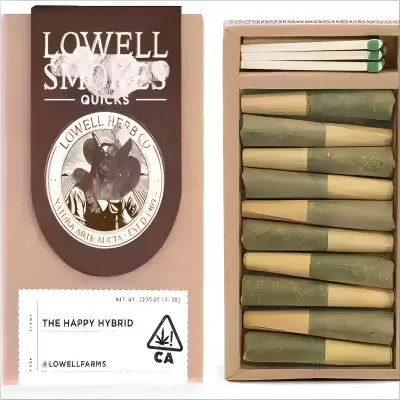
Learn how structural design adjustments, tailored materials, and finish selection can make your products stand out on shelves and improve unboxing experiences.
 25-05-13
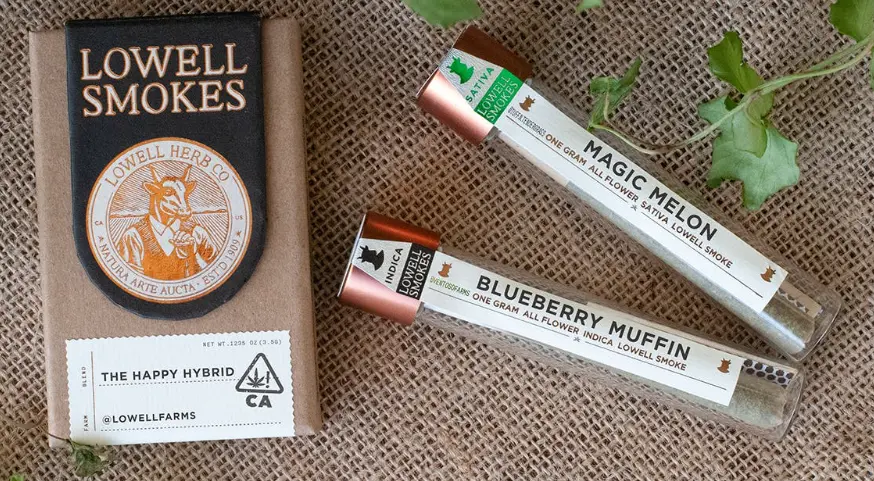
Discover how custom spot coatings, high-contrast inks, and foil stamping help establish brand identities, maintain design consistency, and deter counterfeiting.
Are you ready to take your product presentation to the next level? Look no further! We specialize in custom solutions for high-performance brands globally.
Global procurement teams must balance three main constraints: compliance risk, unit cost, and supply chain reliability. Relying solely on local box plants can lead to higher overhead costs, limited access to specialized substrates, and slower production scales. Partnering directly with high-capacity Chinese production nodes offers several advantages: raw material access, automated production lines, and structured quality management systems. Modern operations mitigate logistical risks by offering customs pre-clearance documents, drop-shipping coordinates, and flexible production scheduling that matches fluctuating market demand.
Corporate sourcing managers look for partners with established QA certifications, such as ISO 9001:2015, FSC (Forest Stewardship Council) chain-of-custody tracking, and SGS/TUV testing records. By maintaining clear production tracking, these plants operate with the transparency of a local supplier. This reliable performance is essential for global rollouts in competitive markets like consumer electronics, high-end retail, and cosmetics.
A leading packaging manufacturer should serve diverse industrial verticals, each with its own functional requirements:
Regulatory policies like the EU's packaging waste rules and US state-level EPR laws are accelerating the transition to sustainable materials. Leading manufacturers are moving away from traditional petrochemical films, shifting to compostable plant-based coatings (such as PLA and water-based varnishes). These options provide excellent moisture barriers while remaining fully recyclable.
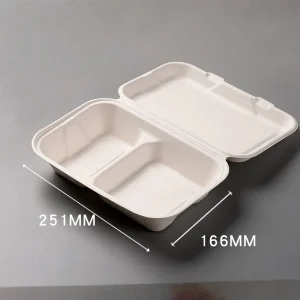
By using agricultural byproducts like bagasse and wheat straw, manufacturers can transform post-harvest waste into food containers. This reduces carbon emissions by up to 40% compared to virgin paper boards. Designing mono-material packaging (where outer shells, closures, and internal trays are made from the same fiber source) makes it easier for consumers to recycle, reducing waste processing costs and supporting circular economy principles.
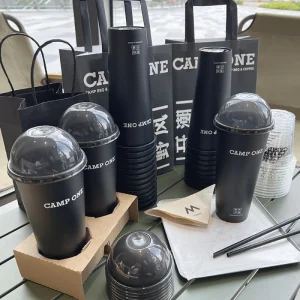
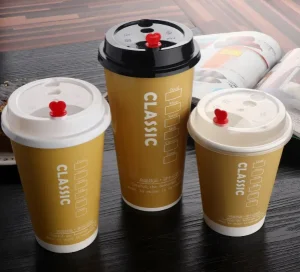
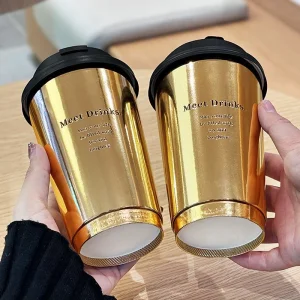
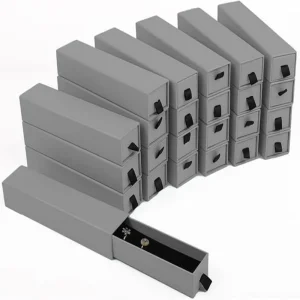
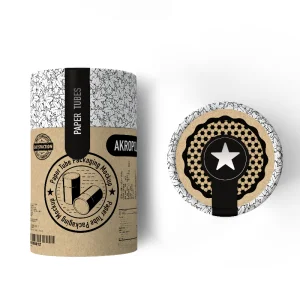
Premium rigid gift boxes, child-resistant tubes, and custom coffee cups developed to optimize shelf space and protect product integrity.

Expert insights on sourcing parameters, custom box production, and international logistics.