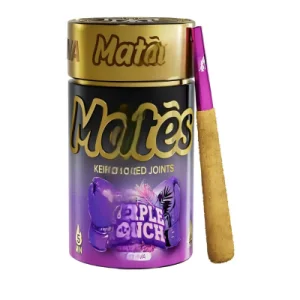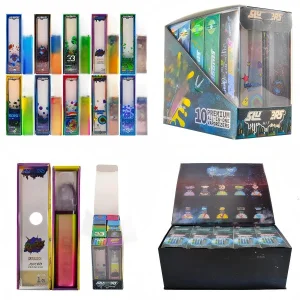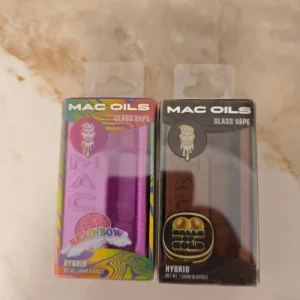
Explore our elite class of structural rigid packaging units engineered to deliver ultimate product protection, compliance integrity, and elevated brand value.
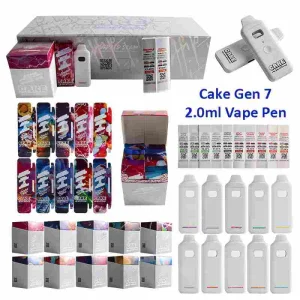
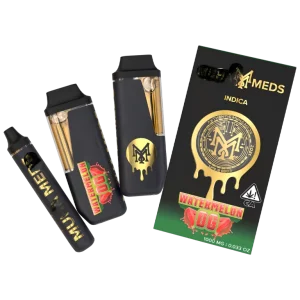
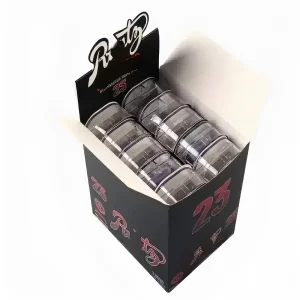
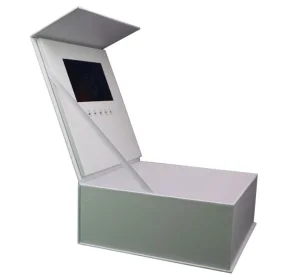
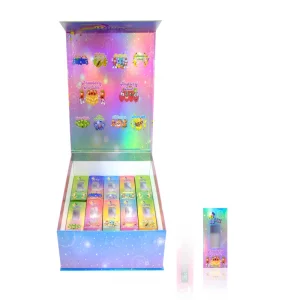
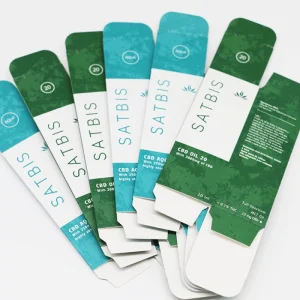
The rigid box packaging landscape is undergoing an intensive transformation, driven by changing consumer behaviors, strict international regulatory mandates, and structural material updates. In the global premium retail segment, the box is no longer considered a mere containment unit; it functions as an essential vector of brand identity, tactile validation, and cargo security. Premium consumer electronics, cosmetics, high-grade confectionery, and medical cannabis lines require packaging manufacturers to integrate extreme dimensional precision with low environmental footprints.
According to structural engineering standards, custom rigid packaging requires high-density greyboard cores (ranging from 800 GSM to 1800 GSM) laminated with high-quality coated or uncoated paper wraps. These elements provide superior puncture resistance, structural stiffness, and stackability metrics that conventional folding cartons cannot match. As global companies pivot toward zero-waste targets, the supply network is shifting away from petroleum-based plastics and volatile inks toward compostable, FSC-certified raw materials, high-density cellulose liners, and VOC-free soy inks.
Modern packaging architecture aims to optimize both protection and sustainability. By combining computer-assisted structural layout (CAD) with green material choices, manufacturers can achieve optimal packaging performance without sacrificing ecological responsibility.
| Rigid Box Component | Technical Specification Range | Primary Industrial Benefit | Environmental Compatibility |
|---|---|---|---|
| Greyboard Core | 800 GSM – 1800 GSM (Thickness: 1.2mm – 3.0mm) | Maximum crush resistance and stackable strength. | 100% recycled fibers, fully recyclable. |
| Wrapping Surface Paper | 120 GSM – 157 GSM (Art Card, Kraft, Recycled Fiber) | Accepts complex surface finishes like hot foil and UV. | FSC-certified, elemental chlorine-free (ECF). |
| Adhesives | Water-based polymer / Bio-based animal hide glue | Delamination prevention down to -20°C and up to 60°C. | Biodegradable, low-toxicity, zero VOC emission. |
| Inserts & Trays | Molded Cellulose / Custom EVA Foam / Kraft Inserts | Vibration dampening and shock absorption. | Compostable options available; thermoformed fiber. |
How Brightpack aligns advanced machinery, high-precision customization, and strict compliance structures to secure your supply chain.
Specialized in export-oriented packaging design, we've studied regulations of 50+ target countries/regions (e.g., EU REACH for packaging materials, US FDA 21CFR for food-contact items). For example, when handling wooden-component packaging, we strictly apply the IPPC marking process. By pre-resolving 90% of potential customs clearance risks in the design phase, we ensure smooth overseas shipping, saving you from costly delays.
Backed by advanced die-cutting (tolerance ≤±0.5mm) and HD printing (resolution up to 1200dpi) equipment, we master complex structures like auto-lock bottom folding boxes and luxury rigid boxes with lids. For high-end brands, our holographic anti-counterfeiting + embossing processes can boost brand perceived value by 35%, accurately translating your brand identity into packaging.
From sourcing FSC-certified paper to using VOC-free inks, we control every material. In finished product testing, we simulate 10+ transportation scenarios (ocean shipping vibration, air freight drop tests). Each batch goes through 15 inspection checkpoints, achieving a defect rate of less than 0.5%, far below the industry average of 3%.
With a 2,000㎡ owned factory and a 3-tier outsourcing network, we offer: Small batches: 3-day sampling, 7-day mass production; Large orders: 98% on-time delivery for 100,000-unit orders, thanks to lean production scheduling. This agility matches your business expansion, whether you’re testing new markets or scaling up globally.
Since its establishment in 2017, Brightpack has evolved into a leading manufacturer specializing in premium custom packaging solutions for global markets. We combine functional design, high-quality materials, and advanced production to create packaging that elevates brand identity and meets international standards.
Our one-stop service covers every stage from design consultation, material selection, and custom printing to strict quality control, logistics coordination, and compliance support. Backed by a 2,000㎡ modern facility and a team of 100+ skilled professionals, we ensure precision, efficiency, and reliability in every order.
Whether you need luxury gift boxes, eco-friendly packaging, or industry-specific solutions, our commitment to innovation and customer satisfaction makes us your trusted partner for global packaging success.
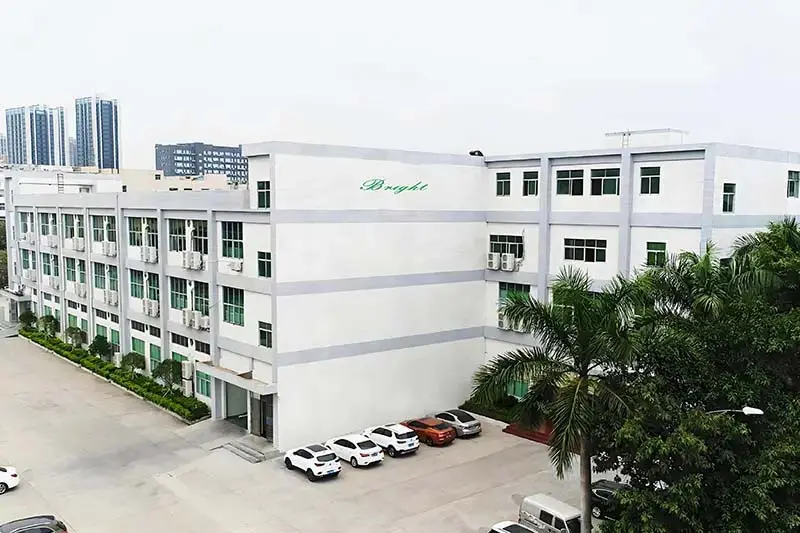
Enterprise procurement professionals navigating high-capacity packaging production encounter a unique array of challenges. Principal among these is structural consistency across dynamic batch runs. A fractional deviance in box dimensions (exceeding 0.5mm) can lead to critical failures in automated pick-and-place filling lines. Furthermore, transoceanic shipping routes expose rigid containers to varying temperature zones and humidity indexes, which can trigger warping or adhesive failure if standard glues are used.
At Brightpack, we resolve these vulnerabilities by implementing a multi-point risk mitigation framework. Every design undergo Finite Element Analysis (FEA) to calculate load-bearing characteristics under transit pressure. We run climate-controlled curing phases to stabilize moisture contents in our grayboard cores prior to paper laminating. This attention to detail guarantees that your product boxes maintain their geometry from the factory floor to the retail shelf, regardless of shipping distance or environmental stress.
Our structural validation protocols include compression test ratings, drop test limits, and humidity resistance testing. These procedures confirm that the physical structural values align with your product protection demands.
A step-by-step overview of our high-precision customization workflow, showing the transition from initial concept to global delivery.


Specialized industrial categories tailored to target sectors, integrating smart structures with high-quality surface materials.
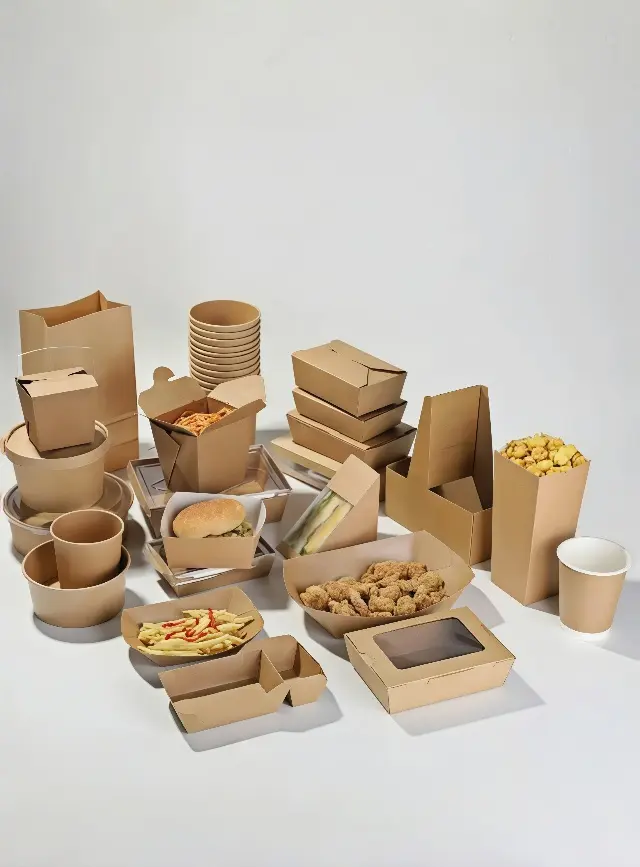
Biodegradable, food-grade barrier coatings that satisfy FDA and EU directives for food contact safety.
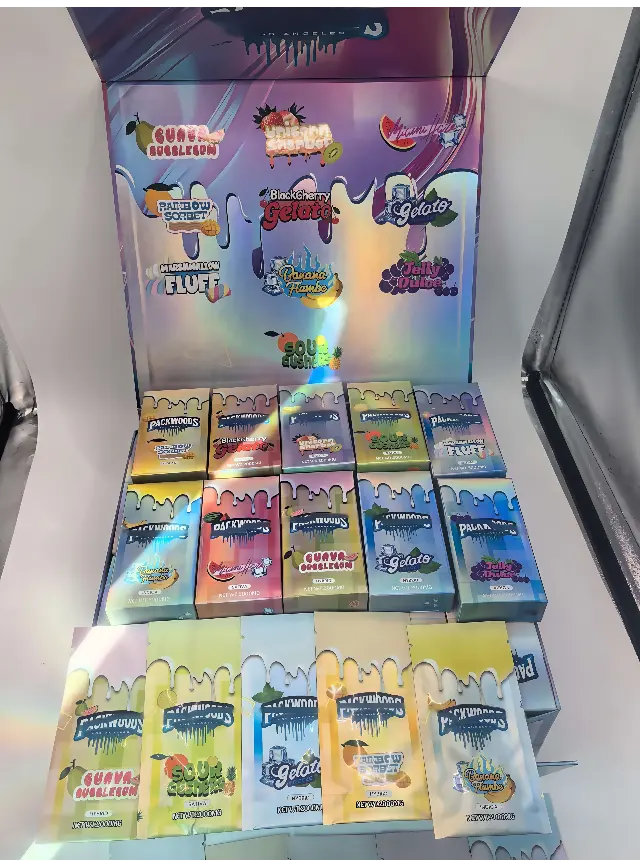
Collapsible configurations designed to minimize freight footprint while preserving the structural rigidity of premium boxes.

Reinforced gussets and handle joints, utilizing sustainable kraft bases with premium weight tolerances.
Discover our latest engineering developments in structural shapes, materials, and eco-friendly consumer designs.

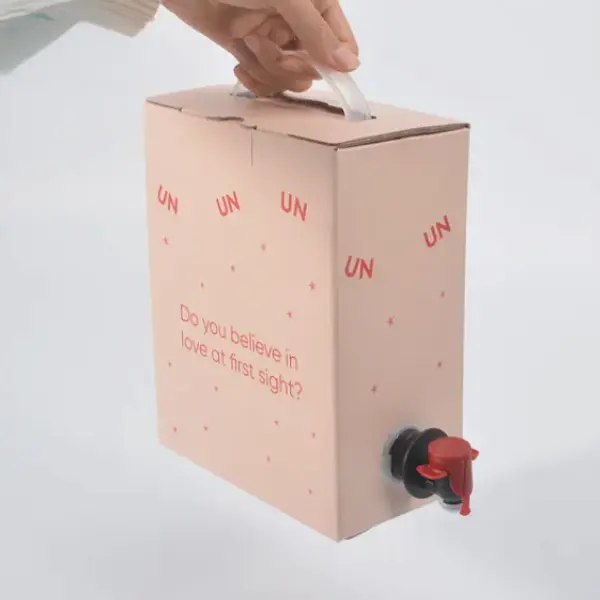
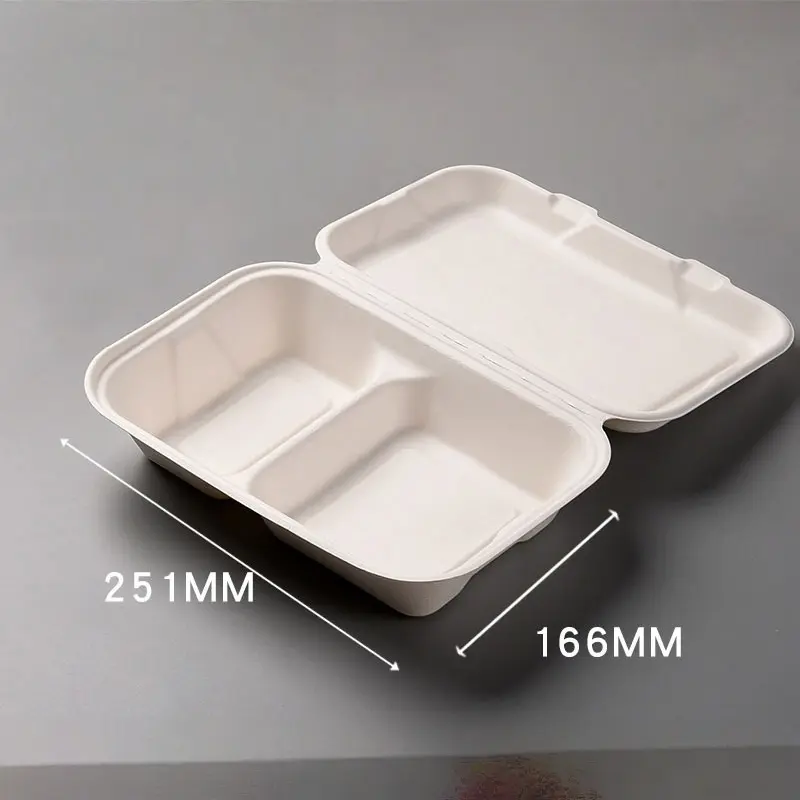
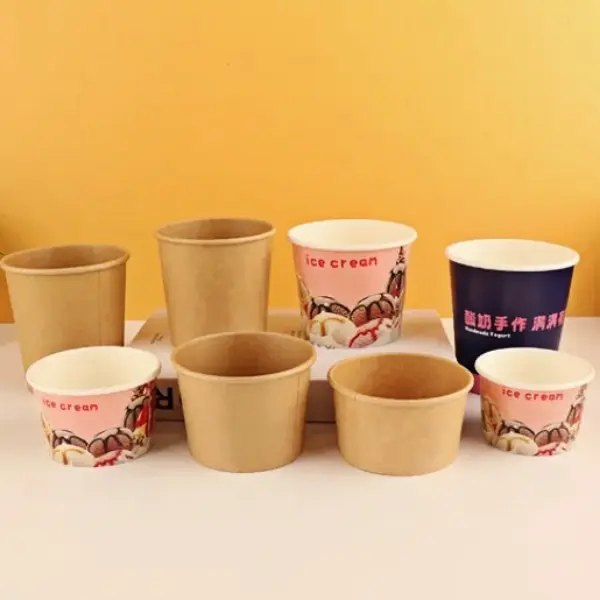
The selection of substrates used in manufacturing premium boxes dictates both the structural durability and environmental impact of the final packaging unit. Traditional rigid boxes rely on virgin wood pulp fibers to achieve high tensile strength. However, modern environmental engineering allows for the development of post-consumer waste (PCW) greyboard cores that retain 95% of the compression resistance of virgin boards. At our plants, we monitor fiber length consistency to prevent structural fatigue over time.
In addition, the exterior laminated paper wrap serves as the key contact point for consumers. Options range from double-side coated art paper (C2S) for high-resolution 1200 DPI CMYK offset printing to uncoated kraft paper, which provides a natural, tactile texture. We control paper moisture levels, keeping them within a 5% to 7% tolerance window, to eliminate risk of expansion or contraction during air transit. Adhesives are formulated to match the surface chemistry of the selected liners, preventing micro-bubbles and surface edge peeling.
By using bio-based, molded-fiber inserts instead of standard plastic trays, brands can lower plastic usage by up to 100%. These customized inserts are engineered to cushion sensitive components like glass cartridges, electronic vape devices, and delicate cosmetic jars.
Discover our customized display series, collapsible rigid alignments, and retail-ready specialty structures.
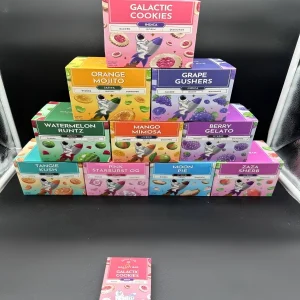
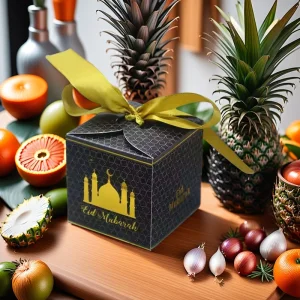
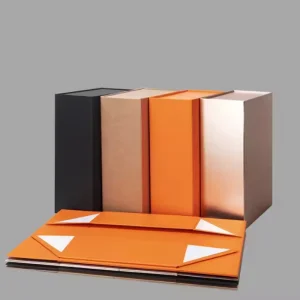
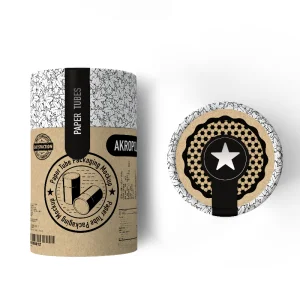
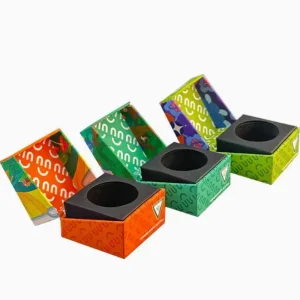
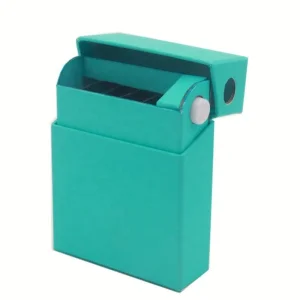
The rigid packaging sector is adopting digital technology integrations. Traditional high-end boxes are being transformed into interactive touchpoints using Near Field Communication (NFC) chips, QR codes, and embedded LCD displays. These components support brand verification and anti-counterfeiting, while enabling direct digital engagement at the point of unpackaging. Incorporating interactive elements without affecting recycling pathways remains a key focus for engineering teams.
From a manufacturing standpoint, the goal is to develop ultra-precise automation lines. Modern robotic assembly machines use vision tracking to align wrapping papers with greyboard cores within a ≤0.2mm margin of error. This level of precision reduces paper edge creasing and glue spot variances, which improves overall package performance. By combining high-speed automated assembly with strict quality control testing, manufacturers can deliver high-volume orders that meet global structural standards.
Stay informed with structural designs, sustainability reports, and branding analyses straight from our labs.
 NEWS / May 21, 2025
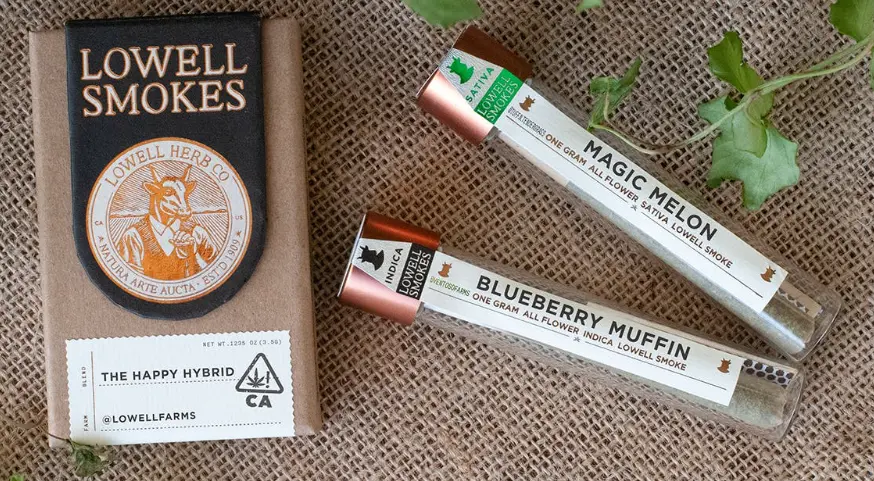
Are you ready to take your product presentation to the next level? Discover how high-precision design, premium materials, and custom-engineered structures work together to create memorable unboxing experiences.
 INSIGHTS / May 13, 2025
Explore the chemistry of surface lamination. Learn how selecting the right combination of matte coatings, high-durability adhesives, and sustainable inks can help maintain packaging quality across international distribution networks.
An in-depth study analyzing how the weight of a rigid box, structural opening friction, and inner compartment layout influence customer satisfaction and retention rates in the luxury consumer market.
Find expert answers to common questions about materials, structural design, tolerances, international standards, and global shipping.