

Global Industrial Outlook: The Shift Toward Premium Custom Packaging in Apparel Supply Chains
In the contemporary globalized fashion economy, clothing packaging is no longer viewed as a functional containment item. Today, high-performance packaging systems act as critical brand touchpoints, security seals, and ecological declarations. For fast-growing luxury labels and direct-to-consumer (DTC) apparel systems, customized packaging creates a bridge between off-site logistics and premium consumer unboxing experiences.
Regulatory frameworks such as the European Union’s Packaging and Packaging Waste Regulation (PPWR) and strict ESG requirements have forced a massive shift toward circular economies. Clothing brand manufacturers are ditching single-use low-density polybags in favor of bio-based coatings, rigid magnetic display boxes, FSC-certified kraft structures, and post-consumer recycled (PCR) materials. Modern manufacturers must manage both aesthetics and structural integrity, maintaining functional barriers against humidity, transit friction, and mechanical load while adhering to strict net-zero manufacturing parameters.
Localization Application Scenarios in Premium Fashion Segments
Packaging performance metrics vary greatly depending on localized supply-chain pathways, customer densities, and regional climates:
- North American High-Volume DTC and Subscription Models: Focus is primarily on high-strength corrugated mailers featuring self-adhesive structural closures and easy-tear opening strips. Extreme freight vibration during overland transport requires interior structural stability (such as customized tissue liners or compostable wrap sheets) to prevent print transfer or fabric abrasion.
- European Circular and Zero-Waste Ecosystems: Compliance with strict regional laws like the German VerpackG requires certified lightweight, easily sorted materials. In these markets, luxury and fashion brands choose paper-based structures, using organic soy inks and water-soluble adhesives to ensure 100% repulpability in curb-side collection lines.
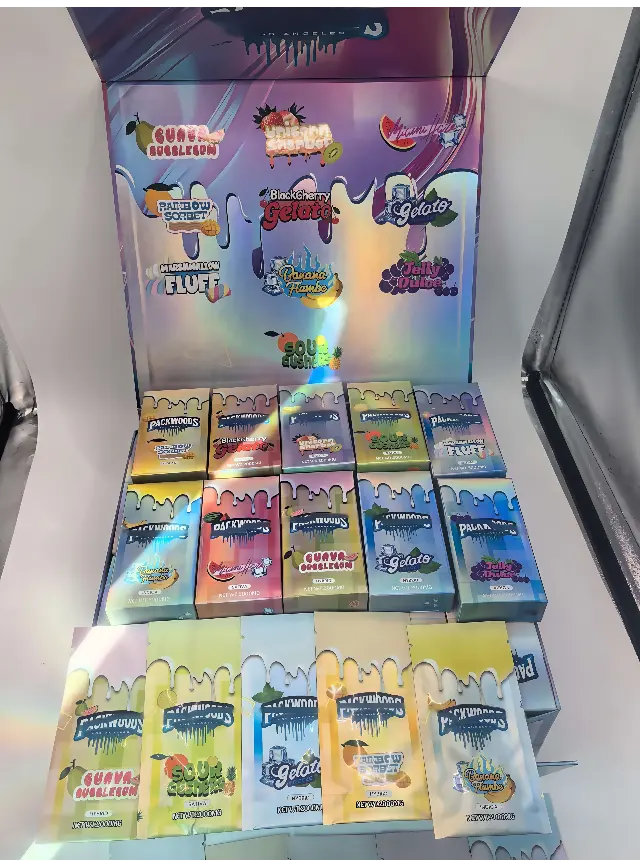
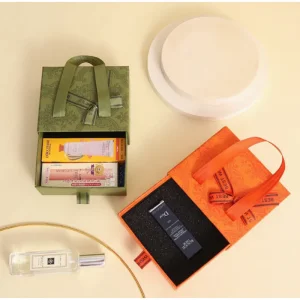
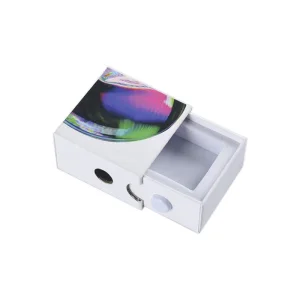
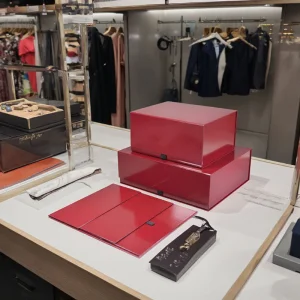
- Asia-Pacific Ultra-Luxury Retail and Pop-Ups: High retail presentation value demands rigid drawers, complex cardboard sleeves, and multi-layered magnetic closure systems with tactile surface finishes like high-relief embossing, selective UV lacquer, and holographic hot stamping to build deep brand recognition.
Technical Roadmap & Future Outlook of Sustainable Material Science
The roadmap for apparel packaging is closely tied to material science and smart data integration. Over the next decade, three key technological changes will define the industry:
Active Barrier Coatings
Moving away from plastic laminates by adopting plant-based nanocellulose and water-dispersed barrier coatings. These coatings provide outstanding water resistance and grease barriers without affecting the natural breakdown and recycling of the underlying paper fiber.
Smart & Connected Packaging
Integrating RFID chips and dynamic QR codes directly into paper fibers and hangtags. This setup assists with supply chain tracking, anti-counterfeiting verification, and interactive customer unboxing experiences.
Zero-waste Circular Systems
Developing closed-loop packaging recovery models. We help brands design packages that serve secondary purposes, such as storage systems, garment hangers, or decorative items, extending the product lifecycle.
China Factory Supply Chain Resilience & Efficiency Advantages
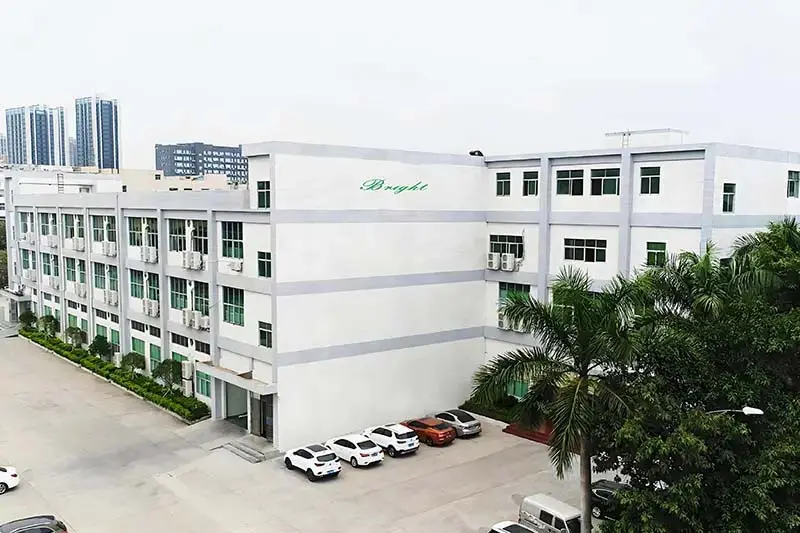
Operating from China’s industrial manufacturing hubs, our factories leverage advanced supply chain clusters to deliver unmatched flexibility and cost-efficiency. Our facilities feature vertically integrated production workflows, from sourcing FSC-certified pulp to processing high-precision die-cutting, offset printing, and automated structural assembly under one roof.
By streamlining raw material procurement, using fully automated lines, and running lean manufacturing shifts, we reduce lead times and buffer against supply chain disruptions. Brands benefit from raw material security, rapid prototyping, and scalable production capable of meeting sudden volume changes during high-season global fashion launches.