

In the modern publishing and book distribution supply chain, packaging is no longer merely a wrapper to enclose paper goods; it is an engineered component that impacts overall logistics cost, buyer satisfaction, and carbon-reduction indices. Book suppliers and major publishers operate in an environment characterized by heavy-weight consignments, transit mechanical vibrations, fluctuating relative humidity during cross-border shipping, and rapid e-commerce shipping timelines. Ensuring that premium novels, scientific textbooks, and limited edition art albums arrive at the consumer’s location without split spines, dented corners, or moisture-induced wrinkling is critical to minimizing product returns and maintaining brand reputation.
From a macro perspective, global market data confirms that logistics damage accounts for approximately 3% to 5% of direct financial loss in the publishing supply chain. When applied to major wholesalers or educational distributors handling millions of units annually, these losses translate into millions of dollars of lost capital. Our research highlights that corner protection remains the primary engineering pain point. Conventional folding mailers fail to distribute kinetic impact energy when dropped during transit, causing direct pressure transfer to the book's book block and spine. By utilizing multi-layered rigid cardboard structures and advanced corrugated fluting (B-flute or E-flute configurations), our custom packaging solutions act as crumple zones, absorbing external impact stress.
"Optimized packaging density is directly correlated with cargo weight limitations and container utilization metrics. By configuring structural packaging to exact book profiles, suppliers can achieve up to a 22% reduction in shipping volumes and lower overall carbon outputs in transit."
Furthermore, sustainability regulations such as the EU Packaging and Packaging Waste Regulation (PPWR) and various state-level EPR laws in North America are forcing book publishers to shift away from plastic shrink wraps and towards paper-based, FSC-certified substrates. Achieving a completely plastic-free fulfillment model requires innovative solutions like moisture-barrier paper coatings and bio-degradable custom security tabs that guarantee moisture protection while remaining 100% repulpable at destination sorting centers.
Designed for dense, high-volume shipping configurations. Heavy-duty double-wall corrugated containers with custom internal partitions protect bindings from continuous rubbing and transit compression.
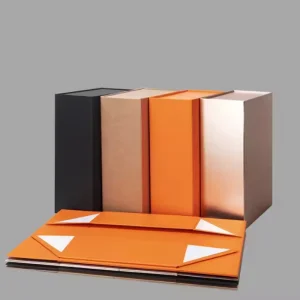
Magnetic folding rigid boxes constructed from 2mm grayboard wrapped in bespoke textured paper. Features soft EVA foam or velvet-lined custom recesses to secure structural leather bound and gold-stamped covers.
Anti-humidity barrier films combined with structural edge guards. Designed to survive long-term ocean cargo environments and temperature swings without deformation or mold growth.
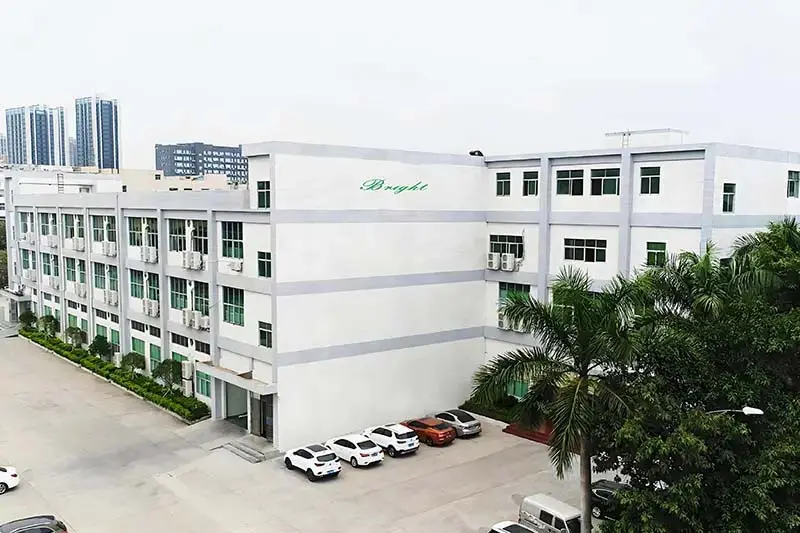
Since its establishment in 2017, Brightpack has evolved into a leading manufacturer specializing in premium custom packaging solutions for global markets. We combine functional design, high-quality materials, and advanced production to create packaging that elevates brand identity and meets international standards.
Our one-stop service covers every stage from design consultation, material selection, and custom printing to strict quality control, logistics coordination, and compliance support. Backed by a 2,000㎡ modern facility and a team of 100+ skilled professionals, we ensure precision, efficiency, and reliability in every order.
Whether you need luxury gift boxes, eco-friendly packaging, or industry-specific solutions, our commitment to innovation and customer satisfaction makes us your trusted partner for global packaging success.
Reviewing weight specs, transit routes, and design briefs.
CAD packaging mockups created to exact physical dimensions.
FSC paperboard, kraft, grayboard density matching.
Vibration and drop tests performed on actual prototypes.
High-resolution color mapping (1200 dpi) and spot UV proofing.
Offset lithography or high-speed digital printing runs.
Anti-scratch lamination, embossing, and foil applications.
High-precision die cutting preserving folder creases.
15-point QC checkpoints to confirm zero-defect runs.
Flat-pack compression configurations to reduce freight costs.
Specialized in export - oriented packaging design, we’ve studied regulations of 50+ target countries/regions (e.g., EU REACH for packaging materials, US FDA 21CFR for food - contact items). For example, when handling wooden - component packaging, we strictly apply the IPPC marking process. By pre - resolving 90% of potential customs clearance risks in the design phase, we ensure smooth overseas shipping, saving you from costly delays.
Backed by advanced die - cutting (tolerance ≤±0.5mm) and HD printing (resolution up to 1200dpi) equipment, we master complex structures like auto - lock bottom folding boxes and luxury rigid boxes with lids. For high - end brands, our holographic anti - counterfeiting + embossing processes can boost brand perceived value by 35%, accurately translating your brand identity into packaging.
From sourcing FSC - certified paper to using VOC - free inks, we control every material. In finished product testing, we simulate 10+ transportation scenarios (ocean shipping vibration, air freight drop tests). Each batch goes through 15 inspection checkpoints, achieving a defect rate of less than 0.5%, far below the industry average of 3%.
With a 2,000㎡ owned factory and a 3 - tier outsourcing network, we offer:
Small batches: 3 - day sampling, 7 - day mass production.
Large orders: 98% on - time delivery for 100,000 - unit orders, thanks to lean production scheduling. This agility matches your business expansion, whether you’re testing new markets or scaling up globally.
Looking to the next decade of supply chain evolution, book publishers and packaging engineers are closely monitoring three major integration streams: next-generation barrier coatings, automated dimension-on-demand box production, and active anti-counterfeiting tracking networks. Our material science division is actively developing bio-based barrier polymers extracted from agricultural waste to replace plastic coatings, facilitating easy packaging repulping in municipal waste channels while retaining moisture resistance.
Additionally, with automated warehouse distribution centers gaining market share, we are transitioning from standard boxes to variable-depth packaging solutions. These designs feature built-in folding creaselines, enabling warehouse automation lines to adjust box height depending on the thickness of the book stack, eliminating excess space and the need for plastic bubble-pack fillers.
We solve corner denting by designing integrated outer packaging extensions, creating crumple zones that absorb impacts before shock loads reach the book's bookblock or spine. We also recommend multi-layered corner protector inserts and choosing high-Edge Crush Test (ECT) corrugated materials.
Yes, all packaging configurations are designed with sustainability at their core. We use FSC-certified cardboard, vegetable-based printing inks, and water-activated sealing tape. This satisfies EU recycling regulations and target environmental thresholds for global import.
For heavy publications weighing over 2 kg, we suggest double-wall corrugated cardboard structures with B/E fluting profiles or high-density rigid boxes (2.5mm greyboard wrapper). This provides structural strength against folding, crushing, and bending forces during shipment.
Yes, we design custom book boxes with tear-strips, tamper-evident tape surfaces, and RFID tags. We can also print holographic patterns and serial barcodes for verification of high-end collector copies.

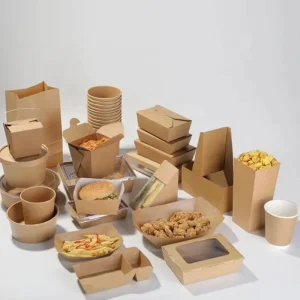

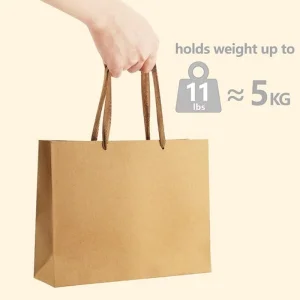
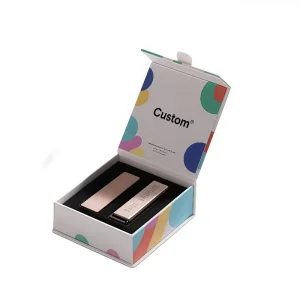

Are you ready to take your product presentation to the next level? Explore how structural enhancements improve safety and appeal.
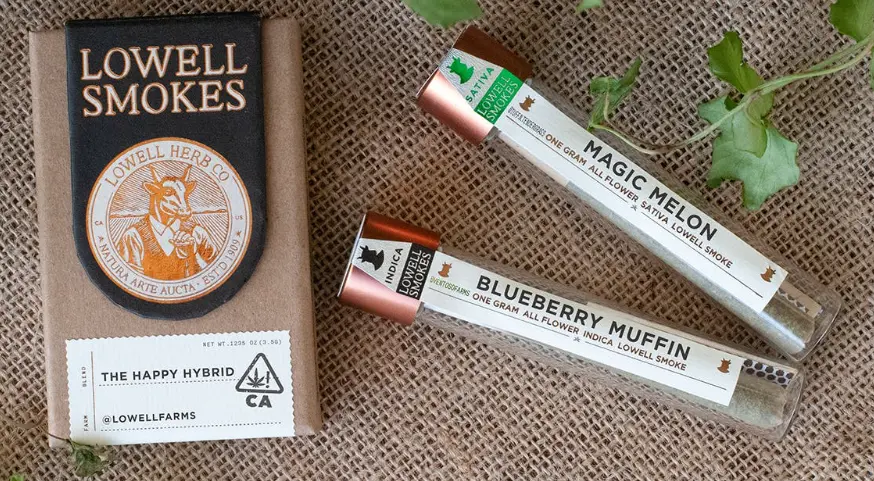
Learn how premium packaging design affects brand perception and increases repeat purchase rates.