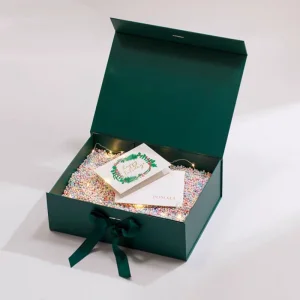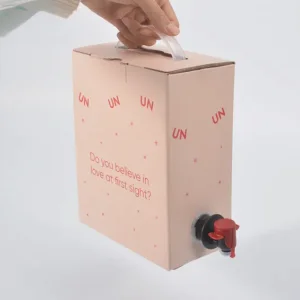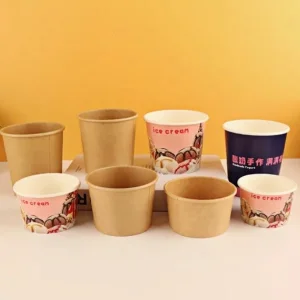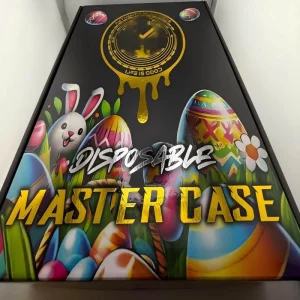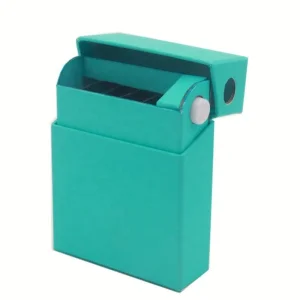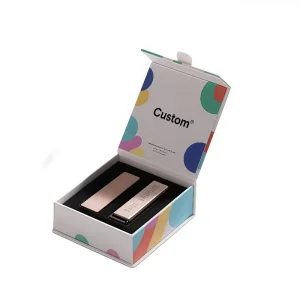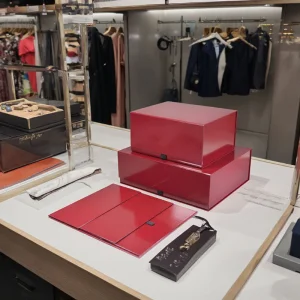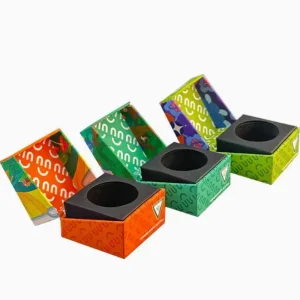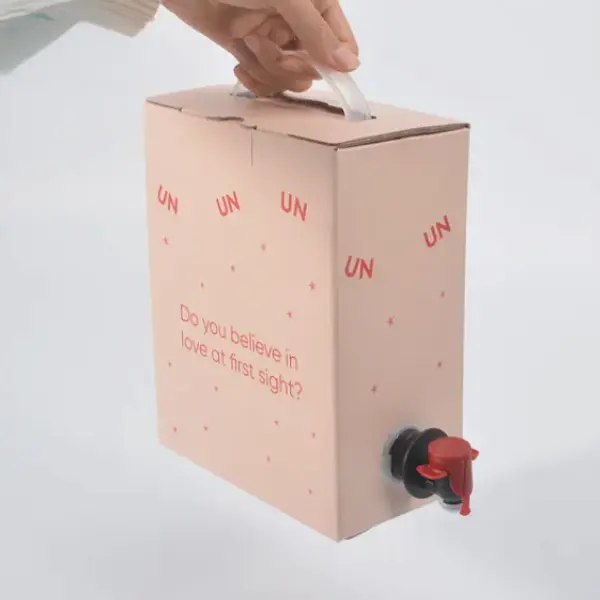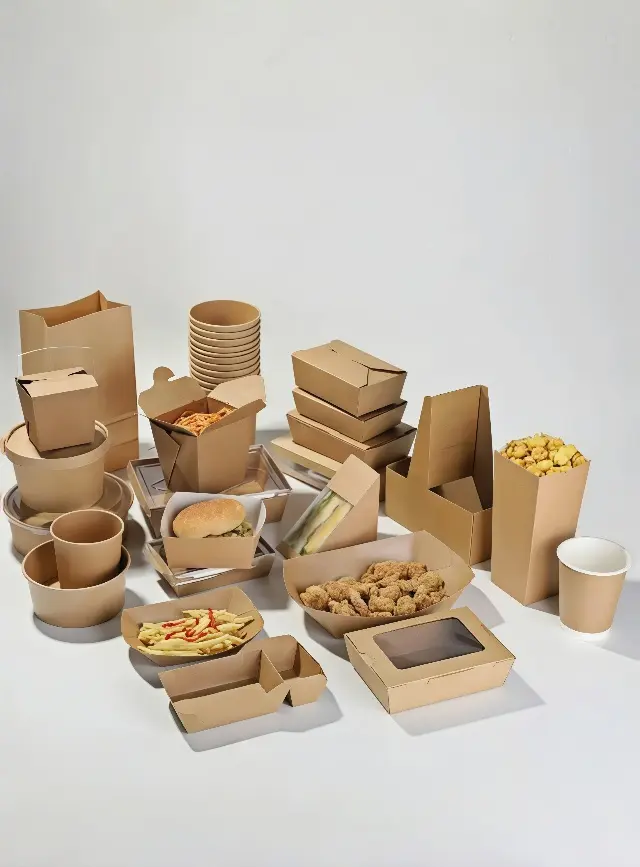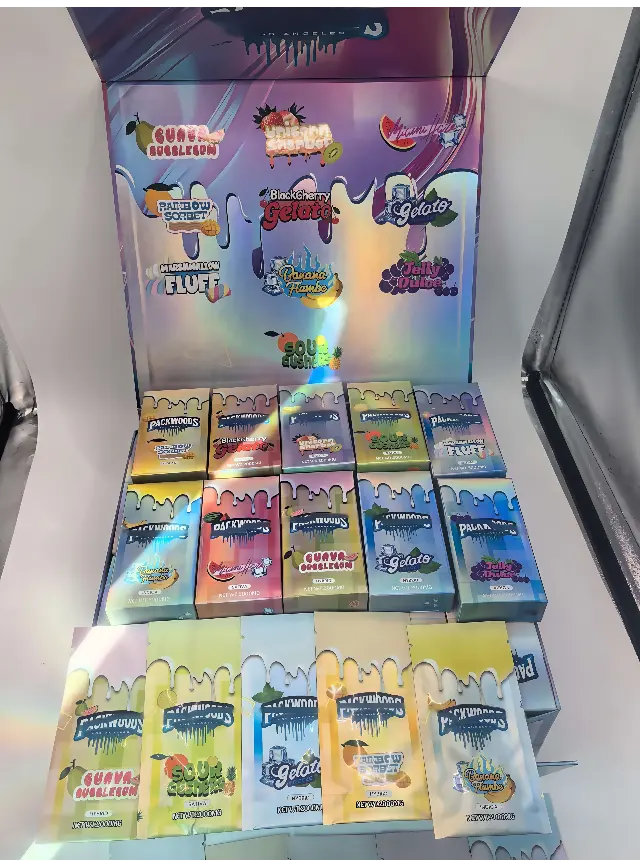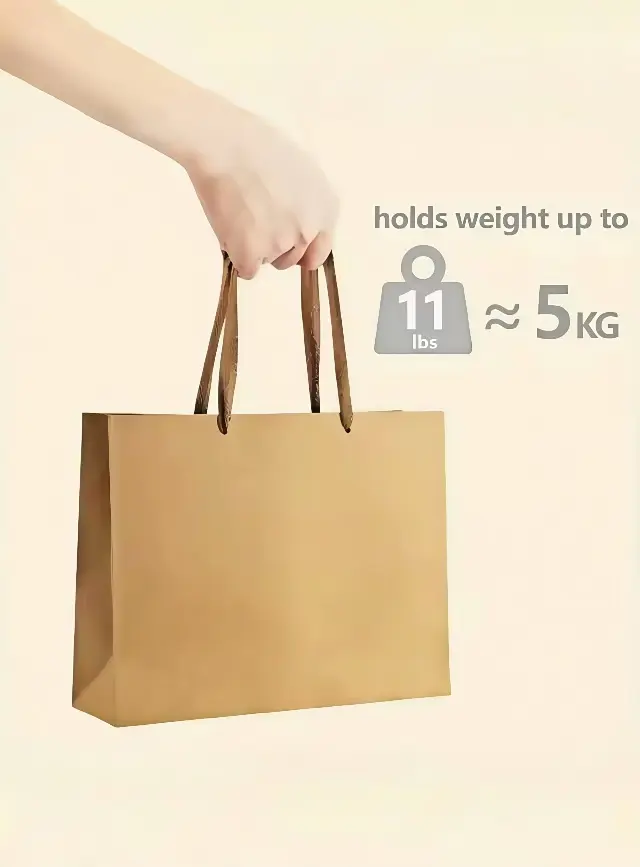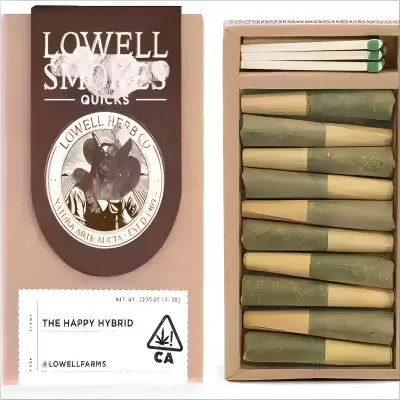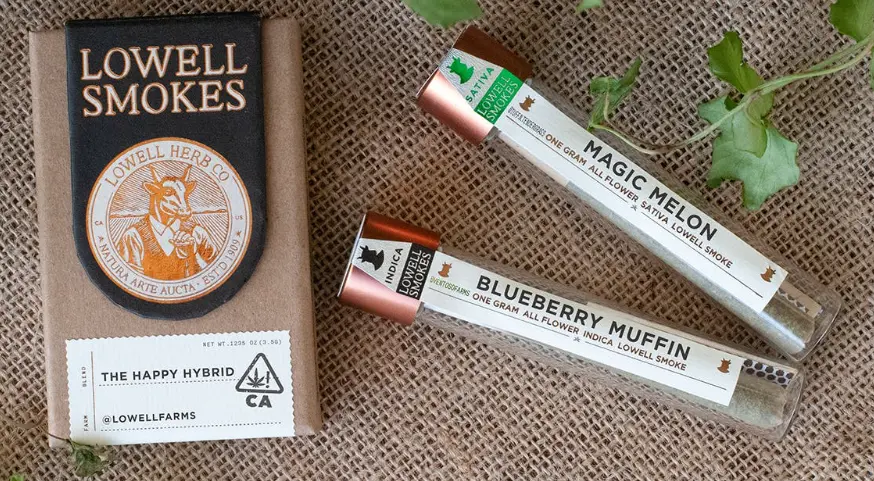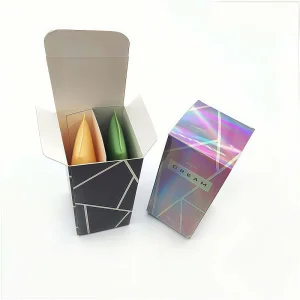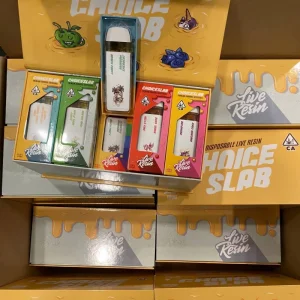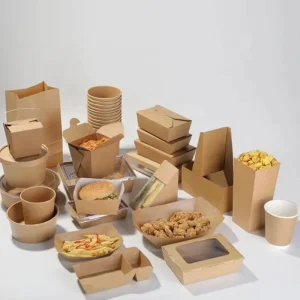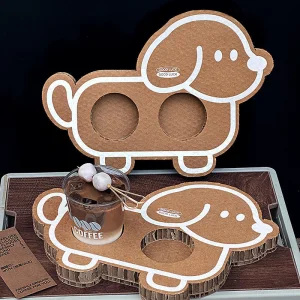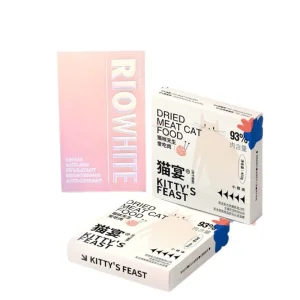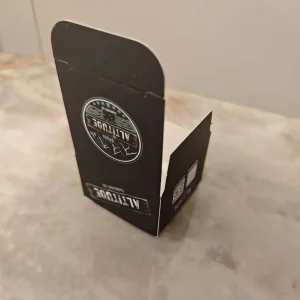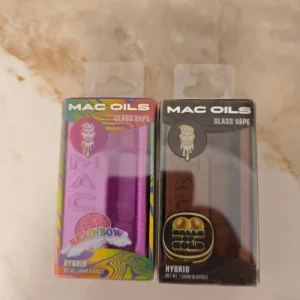
Explore our flagship sustainable packaging structures engineered for durability, branding impact, and circularity.
Modern multinational corporations are pivoting from transactional procurement models to structural, ESG-aligned supply partnerships. Sustainable packaging is no longer just a compliance checklist item; it is a vital pillar of the corporate carbon reduction strategy (Scope 3 emissions reduction). As regulatory bodies worldwide enforce stricter penalties on plastic consumption, enterprises face the urgent task of transitioning to low-carbon, renewable materials without compromising structural integrity or aesthetic appeal.
According to global lifecycle assessments (LCA), replacing traditional fossil-fuel-based plastics with FSC-certified virgin wood fibers and agricultural waste materials reduces product carbon footprints by up to 45% over the supply lifecycle.
This dynamic transformation is visible across multiple consumer industries, notably food service, premium retail, cosmetics, and specialty agriculture (such as the high-growth cannabis sector). Large buyers look for eco-friendly packaging companies that possess end-to-end design capacities, certified source transparency, and the financial and industrial footprint to maintain delivery continuity. Working with vertically integrated manufacturers ensures that raw paperboards, plant-based coatings, and eco-friendly printing inks remain consistent across different product lines.
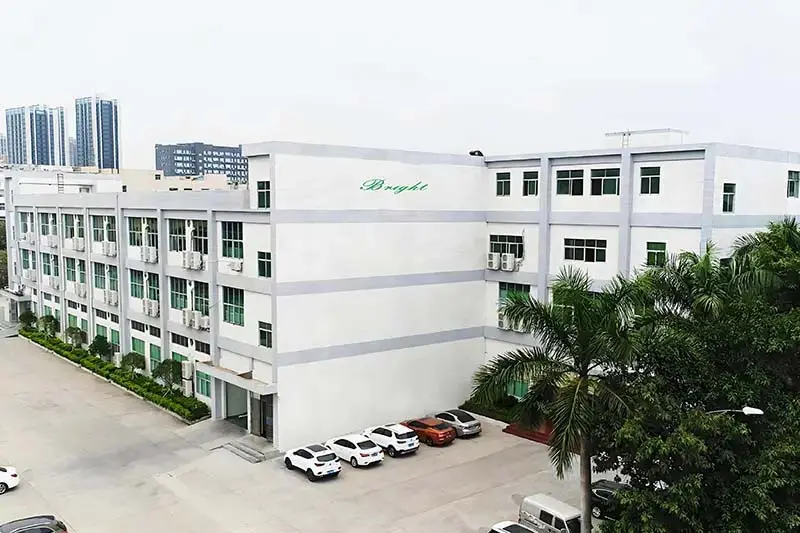
Since its establishment in 2017, Brightpack has evolved into a leading manufacturer specializing in premium custom packaging solutions for global markets. We combine functional design, high-quality materials, and advanced production to create packaging that elevates brand identity and meets international standards.
Our one-stop service covers every stage from design consultation, material selection, and custom printing to strict quality control, logistics coordination, and compliance support. Backed by a 2,000㎡ modern facility and a team of 100+ skilled professionals, we ensure precision, efficiency, and reliability in every order. Whether you need luxury gift boxes, eco-friendly packaging, or industry-specific solutions, our commitment to innovation and customer satisfaction makes us your trusted partner for global packaging success.
Consumers all over the world use our products to relax, think, and be happy
Historically, the biggest obstacle to plastic-free paper packaging was maintaining barrier protection. Liquid containment, oxygen resistance, and grease barriers traditionally required plastic laminates (like polyethylene or wax coatings). These added layers rendered the paper stock non-recyclable, forcing products directly into landfills. Today, the industrial roadmap is dominated by Aqueous Barrier Coatings (water-based dispersions) and natural, bio-based biopolymers such as PLA (polylactic acid) and PHA (polyhydroxyalkanoates).
Our engineering research focuses on structural substrates that use microscopic plant cellulose fibers to block grease and liquids. This technology preserves paper pulps so they can be easily re-pulped in existing paper-recycling streams (meeting the EU EN 13432 compostability standards). Brands can custom-print these materials using soy-based, VOC-free inks, creating high-resolution designs without compromising the packaging's ability to decay naturally.
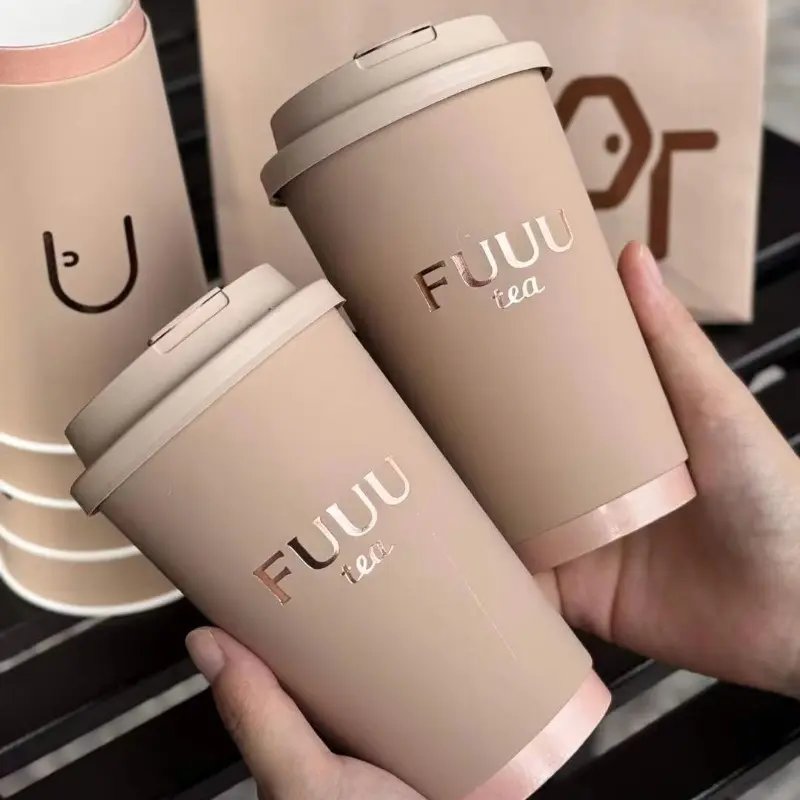
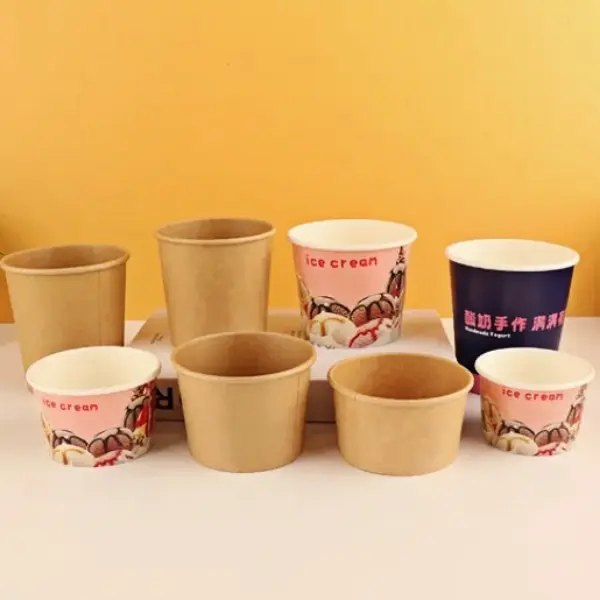
Aqueous barrier paper containers decompose in standard compost environments within 90 days. This provides a direct alternative to PE-lined cups and containers that persist in ecosystems for generations.
This structural innovation is critical for food service, hot beverage distribution, and retail gift boxes. By adjusting the fiber density and coating weight (GSM), engineers can calibrate physical performance to withstand high-humidity ocean transit or thermal storage, ensuring zero leakage during international logistics.
Our comprehensive production and testing lifecycle guarantees high consistency at scale

Initial alignment on sizing, target market compliance, and structural requirements.

Translating vector layout concepts into functional, structural packaging solutions.

Sourcing FSC paper, agricultural pulps, and custom bio-barrier solutions.

High-fidelity physical samples sent for load, drop, and aesthetic approval.

Color profile corrections (CMYK/Pantone), plate creation, and template proofing.

Utilizing high-end offset and digital systems with water-based or soy-based inks.

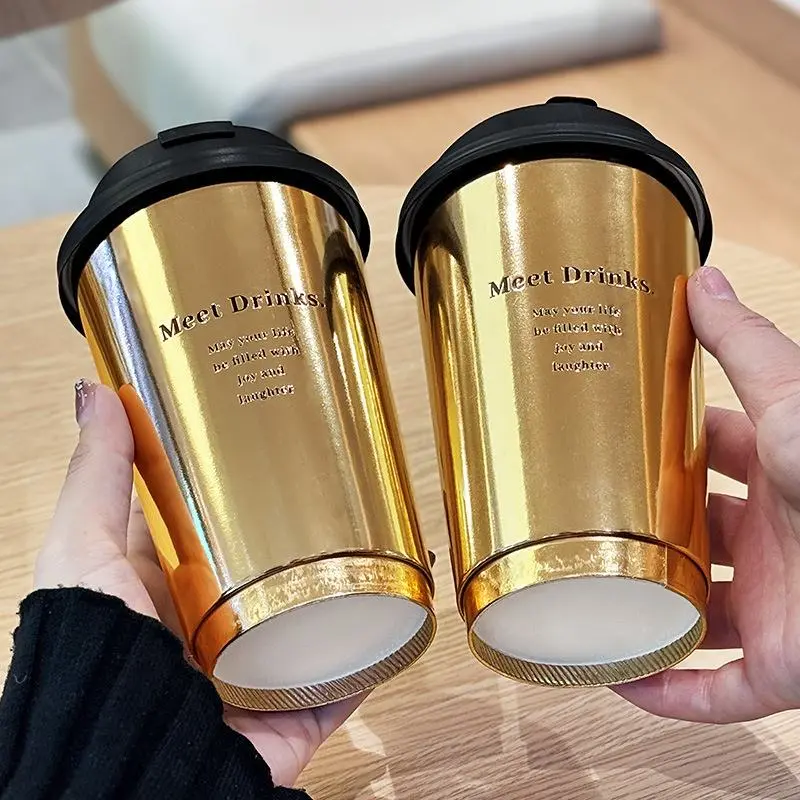
Delivering eco-friendly embossing, debossing, or hot foil styling without plastic films.

Precise mechanical cutting ensuring seamless boxes, easy assembly, and tight locks.

Rigorous checks covering alignment, seal strength, and structural load tolerances.

Consolidated shipping with customized drop testing profiles for safe transit.
For brands distributing goods in North America, the EU, or Asia, regulatory hurdles are rising fast. In Europe, the Packaging and Packaging Waste Regulation (PPWR) dictates targets for minimized packaging weights and high recyclability ratings. In the United States, states like California (under SB 54) enforce rigid Extended Producer Responsibility (EPR) laws, shifting the financial burden of recycling collection back to brands. To protect business margins, custom packaging must be verified for compatibility before hitting production lines.
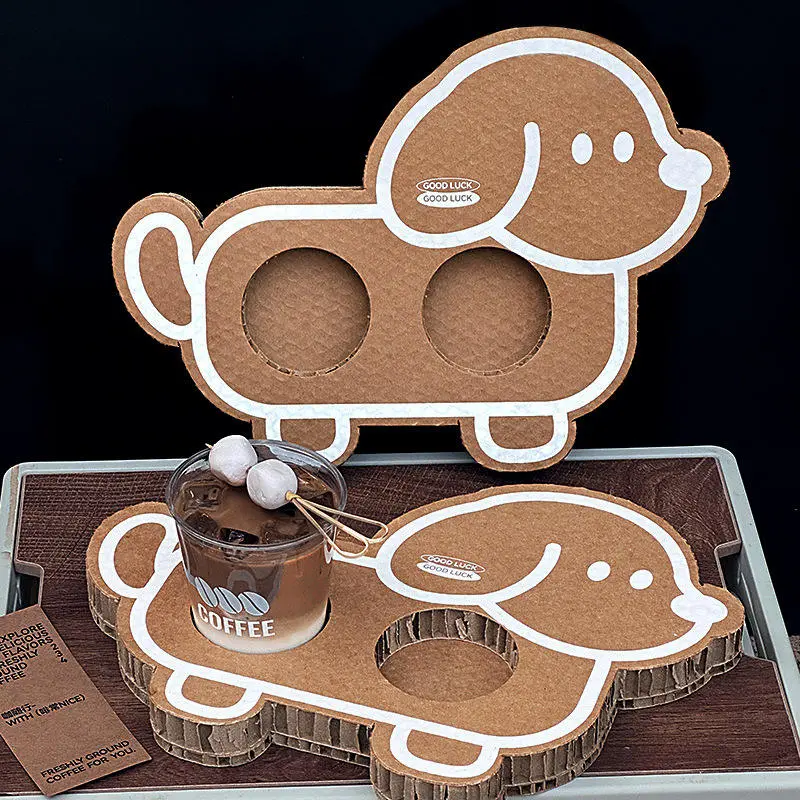
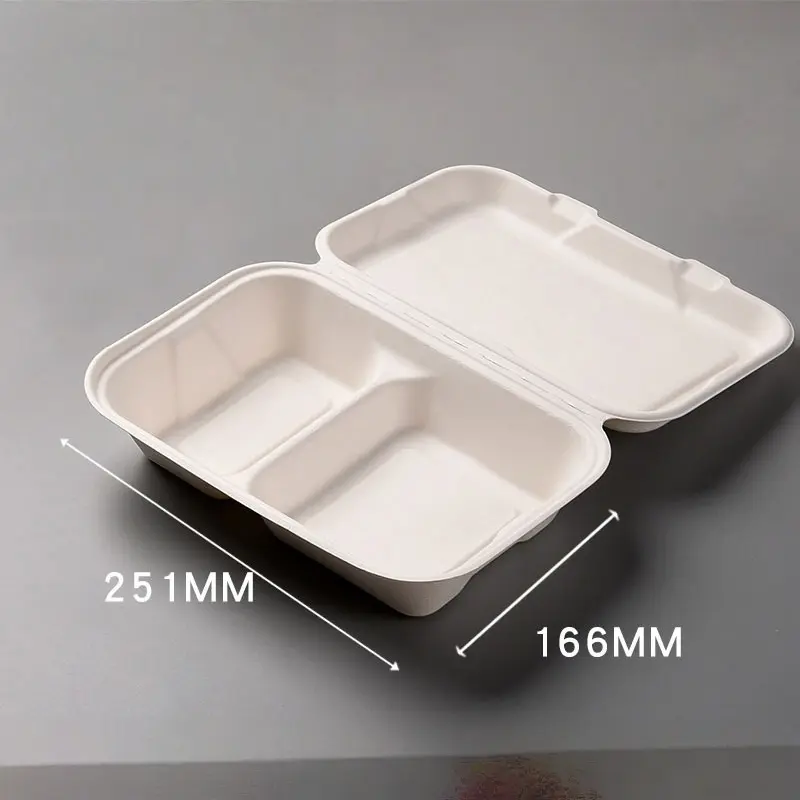
Our engineering pipeline includes compliance checks that cross-reference material compositions with targets in over 50 destination countries. For instance, when designing paper pulp containers, we verify that chemical residues fall well below the thresholds defined by the EU REACH framework. Food-contact papers (such as sugarcane-based takeout boxes and drink carrier structures) must pass strict FDA 21CFR extraction tests, ensuring zero contamination during long-term exposure to heat or grease.
Additionally, ocean shipments are subject to sudden custom delays if raw wood products lack appropriate treatments. By using certified, plant-derived paperboards and processing any wooden parts in compliance with the International Plant Protection Convention (IPPC) guidelines, we pre-resolve potential delays before custom inspectors audit the shipment. This systematic oversight saves global buyers from warehouse bottlenecks and costly dock charges.
Four structural advantages that ensure compliance, efficiency, and reliability for your brand

Specialized in export - oriented packaging design, we’ve studied regulations of 50+ target countries/regions (e.g., EU REACH for packaging materials, US FDA 21CFR for food - contact items). For example, when handling wooden - component packaging, we strictly apply the IPPC marking process. By pre - resolving 90% of potential customs clearance risks in the design phase, we ensure smooth overseas shipping, saving you from costly delays.


Backed by advanced die - cutting (tolerance ≤±0.5mm) and HD printing (resolution up to 1200dpi) equipment, we master complex structures like auto - lock bottom folding boxes and luxury rigid boxes with lids. For high - end brands, our holographic anti - counterfeiting + embossing processes can boost brand perceived value by 35%, accurately translating your brand identity into packaging.

From sourcing FSC - certified paper to using VOC - free inks, we control every material. In finished product testing, we simulate 10+ transportation scenarios (ocean shipping vibration, air freight drop tests). Each batch goes through 15 inspection checkpoints, achieving a defect rate of less than 0.5%, far below the industry average of 3%.

With a 2,000㎡ owned factory and a 3 - tier outsourcing network, we offer: Small batches: 3 - day sampling, 7 - day mass production. Large orders: 98% on - time delivery for 100,000 - unit orders, thanks to lean production scheduling. This agility matches your business expansion, whether you’re testing new markets or scaling up globally.
As we project trends from 2025 to 2030, the primary innovation is the rise of the true circular supply economy. This model ensures that raw inputs originate from post-consumer waste or agricultural side-streams (like bagasse, wheat straw, and bamboo), and that final materials dissolve without polluting the biosphere. However, high-volume consistency remains a significant challenge. Industrial buyers require packaging that matches the high-speed run times of standard filling, folding, and sorting lines.
Our machinery and structural engineers work to optimize these running speeds. By controlling paper fiber length and mechanical pressing pressures, we increase paperboard tensile strength. This ensures our custom, foldable paper gift boxes, food containers, and shipping sleeves perform well under mechanical strain. Through structural optimization and clean chemistry, we help brands balance environmental goals with reliable operational performance.
Insights and updates from the leading edge of sustainable packaging design
In-depth responses to procurement, compliance, and material performance queries
Explore our additional customized sustainable packaging options for cosmetics, retail, and food applications.