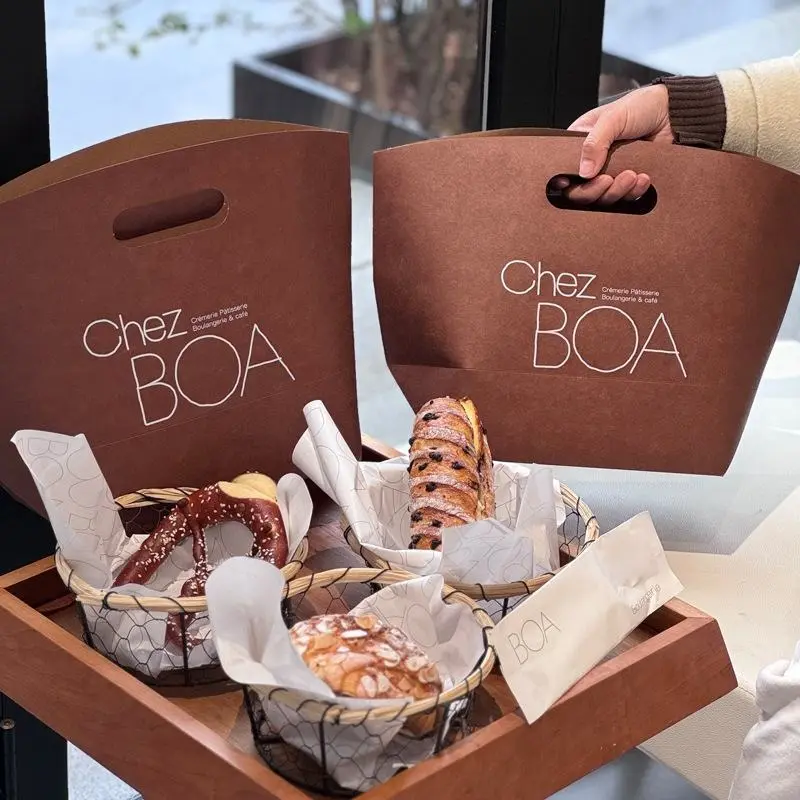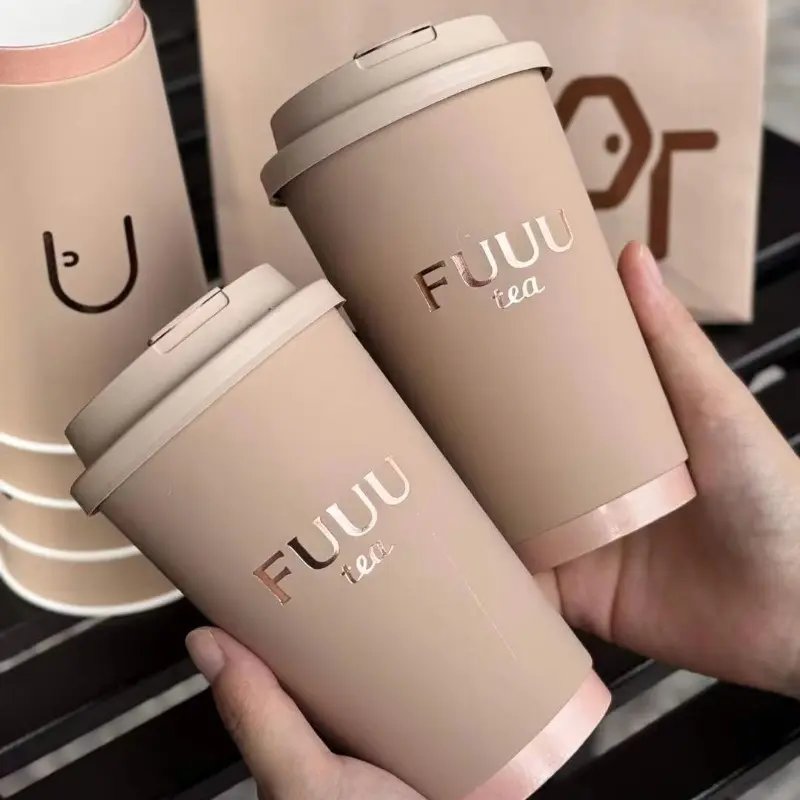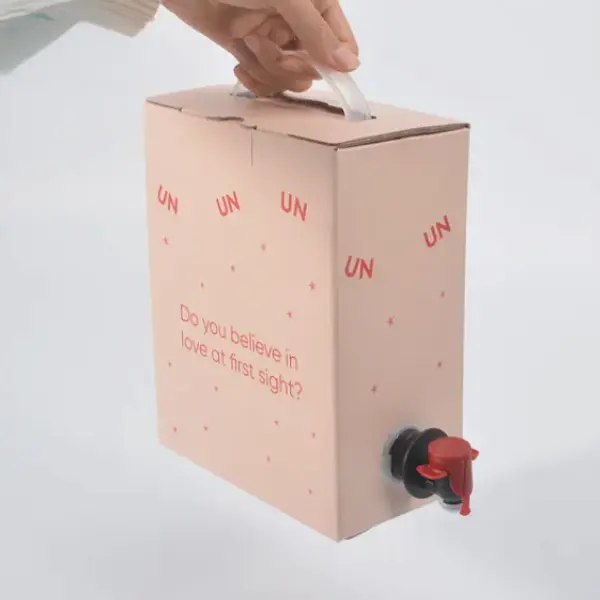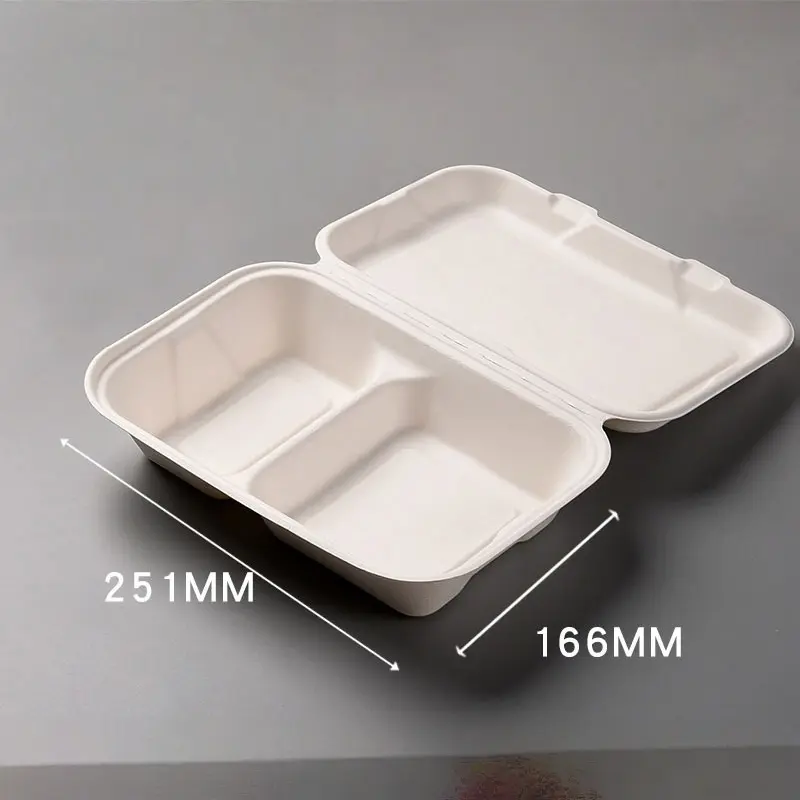
Advanced engineering and secure packaging configurations optimized for shipping, retail presentation, and cross-border transport.
In B2B shipping logistics, transporting glass and fragile bottle configurations presents unique structural problems. Sudden kinetic shocks, lateral shifts, drop acceleration, and vertical compression can cause microscopic surface cracks in glass to fail catastrophically. The primary packaging goal for glass shipments is to isolate the fragile cargo from external mechanical stresses.
Modern transit systems generate a wide range of vibration frequencies. For example, maritime transport subjects cargo to low-frequency pitches (1–5 Hz), whereas air cargo cargo routes introduce high-frequency engine resonance (up to 200 Hz). In addition, packages undergo random vertical impacts when sorted in logistics hubs. An engineered custom bottle shipping box must cushion these forces, dampening external vibrational waves and preventing them from reaching the critical surface threshold of the glass bottles inside.
The protective capability of corrugated packaging relies on deceleration space. When an outer wall takes an impact, it deforms, converting kinetic energy into thermal energy through cell-wall buckling. This increases the deceleration duration, significantly reducing the peak g-force transferred to the product core.
Selecting the right packaging material requires analyzing the product's weight, dimensions, shipping methods, and target performance metrics. Corrugated fiberboard remains the industrial standard for structural box design, configured using specific linerboard combinations and flute profiles:
Consists of one wave-fluted medium glued between two flat linerboards. Best for individual parcel shipping, small wine packs, cosmetics bottles, and retail shelf boxes.
Features two layers of fluted media separated by a central linerboard. Essential for multi-bottle cases, bulk spirits shipping, and heavy industrial liquid cargo.
B-Flute (excellent crush resistance and printability) and C-Flute (higher stacking strength) are standard. Double-wall designs often combine BC or EB configurations for balanced performance.
Packaging must adapt to regional compliance standards, handling hazards, and shipping routes across different target markets. In global supply chains, custom bottle packaging must meet both domestic handling rules and destination import standards.
Must meet ASTM D4169 and ISTA 3A/6-Amazon test standards to prevent high carrier surcharge rates. Glass beverage transit also requires strict compliance with US FDA Title 21 CFR regulations for food-contact paperboards.
Governed by the EU Packaging and Packaging Waste Regulation (PPWR), prioritizing recyclability, weight reduction, and strict chemical safety under REACH directives. Wood/pulp components must comply with ISPM-15 phytosanitary standards.
Australia and New Zealand require strict biosecurity compliance for incoming organic packaging. Logistics networks also demand high-humidity resistance due to tropical sea transit routes across the southern hemisphere.
To ensure high-volume packaging performs reliably in cold chain, sea freight, and e-commerce shipping, manufacturers conduct standard testing protocols:
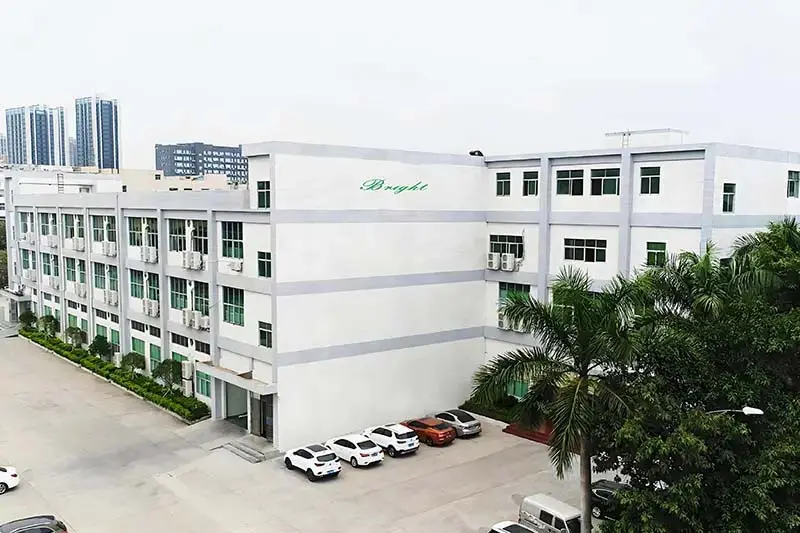
Since its establishment in 2017, Brightpack has evolved into a leading manufacturer specializing in premium custom packaging solutions for global markets. We combine functional design, high-quality materials, and advanced production to create packaging that elevates brand identity and meets international standards.
Our one-stop service covers every stage from design consultation, material selection, and custom printing to strict quality control, logistics coordination, and compliance support. Backed by a 2,000㎡ modern facility and a team of 100+ skilled professionals, we ensure precision, efficiency, and reliability in every order.
Whether you need luxury gift boxes, eco-friendly packaging, or industry-specific solutions, our commitment to innovation and customer satisfaction makes us your trusted partner for global packaging success.
The global packaging market relies heavily on Chinese supply chain integration. Leading B2B custom box companies leverage China's manufacturing ecosystem to provide significant structural advantages in cost, materials, and production speed:
Brightpack combines these regional raw material networks with lean production scheduling. This allows us to handle both variable-run packaging designs and high-volume industrial rollouts smoothly, ensuring 98% on-time delivery across global routes.
Proven strengths and quality services to support your global packaging operations.


Specialized in export-oriented designs, studying target regulations across 50+ countries (e.g. EU REACH, US FDA 21CFR). We resolve customs clearance risks early in the design phase.

Advanced die-cutting (tolerance ≤±0.5mm) and HD printing (up to 1200dpi) allow us to manufacture complex structures like auto-lock bottom boxes and custom rigid options.

From FSC-certified papers to VOC-free inks, we monitor quality at 15 inspection checkpoints. This allows us to keep defect rates below 0.5%, well below the 3% industry average.

Our 2,000㎡ factory and three-tier network provide rapid support: 3-day sampling, 7-day mass production for small batches, and 98% on-time delivery for high-volume orders.
Our systematic 10-step process ensures structural integrity and high performance in every production run.


The industrial landscape for bottle packaging is evolving rapidly, driven by two global trends: sustainability mandates and automated handling systems.
To reduce plastic waste, global markets are shifting from EPS (expanded polystyrene) foam inserts to 100% recyclable, biodegradable alternatives. Molded pulp inserts made from sugarcane bagasse, wheat straw, and recycled newspapers are becoming the preferred B2B cushioning solution. These materials provide high impact protection and fit clean corporate sustainability targets.
Additionally, modern distribution hubs run on high-speed automated packaging lines. Shipping boxes must be built to exact geometric tolerances to prevent jams in automated erecting, packing, and sealing machines. Custom B2B manufacturing focuses on creating boxes with clean scores and exact folds, preventing production line downtime.
The next step in commercial shipping packaging is smart packaging integration. Incorporating RFID tags and temperature-sensitive indicators directly into the corrugated layers allows real-time tracking of valuable spirits, wines, and bio-chemical shipments throughout the logistics journey.
Explore our updated catalog of custom configurations, raw structural fillers, and retail display packaging.
Specific customized product structures available for global markets.
Technical guidance from our quality control and structural packaging design teams.
We calculate the required ECT rating by analyzing the total weight of the bottles, the height of the pallet stack, and the target transport conditions. For standard shipments of single glass bottles (under 2 kg), a 32 ECT single-wall corrugated board is usually sufficient. However, for multi-bottle cases or overseas shipping, we recommend a 44 ECT double-wall configuration (BC or EB flute). This provides reliable protection against vertical compression in high-humidity transit routes.
For e-commerce transit, molded pulp inserts and custom-cut corrugated partitions perform best. Molded pulp offers excellent custom-fit shock absorption and meets global eco-friendly recycling goals. For high-end luxury products, custom EPE foam inserts lined with velvet provide premium presentation alongside reliable drop-shock protection.
High relative humidity (above 80%) can reduce a standard paperboard box's stacking strength by up to 50%. To prevent collapse, we use water-resistant adhesives and apply protective barrier coatings to the outer liner. We also incorporate virgin kraft fibers, which resist moisture absorption much better than standard recycled paper.
We source raw materials from FSC-certified forestry operations, ensuring complete traceability. We also use heavy metal-free soy-based inks and VOC-free coatings, which comply with EU REACH standards and US California Proposition 65 requirements.
Sourcing from China provides access to a fully integrated manufacturing hub. We coordinate raw material suppliers, automated box erecting, printing, and shipping logistics from a single region. This consolidation keeps production costs competitive, shortens lead times, and allows us to verify international shipping compliance before the cargo leaves the facility.
Once structural designs are approved, physical CAD samples are completed in 3 days. Standard production runs take 7 to 10 working days, depending on structural complexity. Bulk container shipping takes 15 to 30 days depending on the destination port, and we provide full export tracking documentation throughout the journey.
Explore our industrial range of custom packaging options built for reliable shipping and brand presentation.
Stay up to date with updates and technical developments in B2B product packaging.
Get in touch with our design team for a free structural packaging analysis, custom prototypes, and competitive B2B pricing.
Contact Our Engineers