
Custom Rigid Box Packaging offers more than a refined appearance. It creates a firm, protective structure around products that require careful presentation. Unlike folding cartons, rigid boxes use thicker boards and maintain their shape during handling. This strength helps reduce crushed corners, loose inserts, and disappointing unboxing moments.
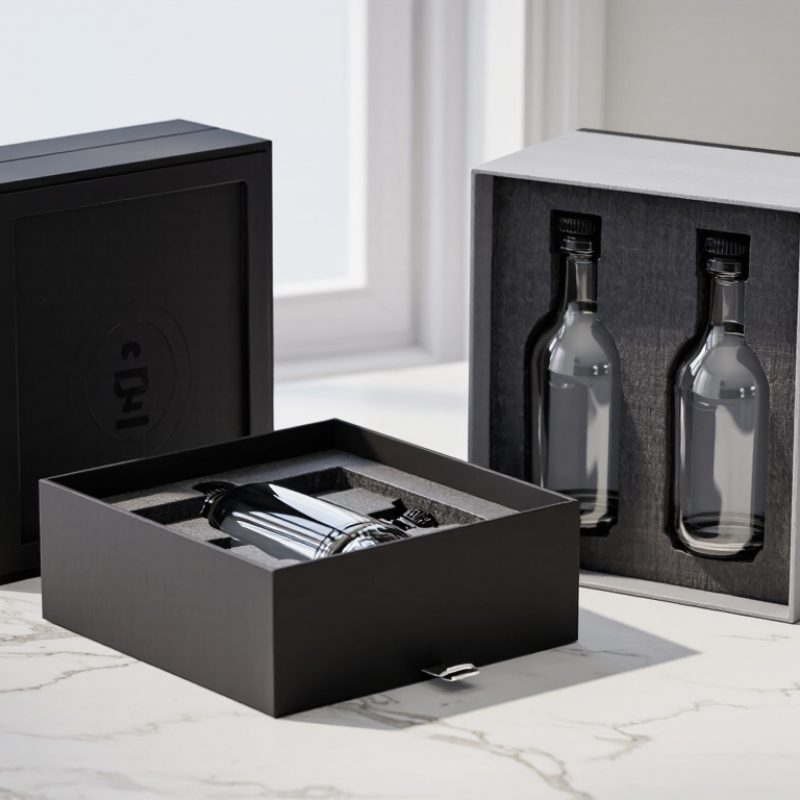
The value becomes clear in practical details. A magnetic lid can close with a quiet snap. A molded insert can hold a glass bottle without unnecessary movement. Soft-touch paper can improve grip, while foil stamping can guide attention toward a logo or product name. These choices support brand recognition and perceived quality. They also require professional planning, because materials, tolerances, printing methods, and shipping conditions must work together.
However, premium packaging is not automatically better. It can increase material use, production time, and transportation costs. A beautiful box may still fail if it is oversized, difficult to recycle, or poorly tested. That deserves honest attention. Designers and manufacturers should evaluate product weight, opening behavior, protection needs, and customer expectations before approving a structure. Samples, compression tests, and supplier documentation can reveal problems early.
The strongest packaging decisions balance appearance with dependable performance. Custom Rigid Box Packaging may be a practical investment for luxury goods, electronics, cosmetics, gifts, and other presentation-focused products. Yet the right solution depends on the product, budget, audience, and distribution environment. This guide explores those factors clearly, including the advantages, limitations, design considerations, and common mistakes that businesses should examine before choosing a custom rigid box.
What Is Custom Rigid Box Packaging?
Custom rigid box packaging is a premium box made from thick, sturdy paperboard. Unlike folding cartons, it keeps its shape during handling and display. The structure usually includes a dense board core, wrapped paper, and a fitted lid or drawer mechanism. Some designs also use foam, molded pulp, or paper inserts to hold products securely.
The word “custom” refers to more than printed artwork. It can include exact dimensions, opening style, surface texture, foil details, windows, and internal protection. A well-designed box should fit the product closely, without excessive movement. During packaging development, teams often test drop resistance, lid alignment, and stacking pressure. Small errors matter. A lid that feels too tight may damage the edges, while a loose fit can reduce the product’s perceived value.
Tips: Measure the product, insert, and clearance together. Request a physical sample before placing a large order. Check color, board thickness, odor, and opening force in real conditions. Also review the material choice carefully. Rigid boxes can look impressive, but their heavier construction may require more storage space and transport energy. Recyclability may also depend on coatings, magnets, foils, and mixed materials. A simpler design is not always less attractive. Sometimes, it performs better.
| Evaluation Dimension | Custom Rigid Box Packaging | Typical Folding Carton | Practical Implication |
|---|---|---|---|
| Definition | A premium package made from paperboard or chipboard that is formed into a permanent, non-collapsible structure. | A package made from paperboard that is die-cut, folded, and supplied flat. | Rigid boxes prioritize structure and presentation; folding cartons prioritize efficient storage and transport. |
| Common Board Construction | Commonly uses approximately 1.2–3.0 mm thick greyboard or chipboard wrapped with printed paper, coated paper, or fabric. | Commonly uses approximately 0.3–0.8 mm folding-box paperboard, depending on product weight and design. | The thicker board of a rigid box provides a stronger premium feel and better resistance to bending. |
| Structural Strength | High resistance to compression, bending, and shape deformation under normal handling conditions. | Moderate resistance; performance depends on board grade, folds, locking structure, and product weight. | Suitable for products that benefit from added protection or a substantial unboxing experience. |
| Typical Box Styles | Lid-and-base, book-style magnetic, drawer, shoulder-neck, telescoping, and hinged-lid structures. | Straight-tuck, reverse-tuck, auto-lock bottom, sleeve, and crash-lock styles. | Custom structures can be designed around product dimensions, opening behavior, and display requirements. |
| Product Protection | Can include die-cut paperboard, molded-pulp, foam, or fabric-covered inserts for controlled product positioning. | Usually relies on the carton structure, pads, or separate protective materials. | Inserts reduce movement and help separate delicate components during handling. |
| Storage and Shipping Efficiency | Ships and stores assembled; it occupies more volume before use and may increase freight cube. | Ships and stores flat, allowing more units per pallet or carton before assembly. | Rigid boxes are best when presentation and protection outweigh flat-pack logistics. |
| Customization Options | Custom dimensions, compartments, windows, ribbons, magnets, handles, inserts, paper wraps, and surface finishes. | Custom dimensions, die-cuts, locking tabs, windows, coatings, and printed graphics. | Rigid construction offers more opportunities for layered presentation and tactile detailing. |
| Surface Finishes | May use matte or gloss aqueous coating, film lamination, soft-touch coating, foil stamping, embossing, or debossing. | May use aqueous coating, varnish, lamination, foil stamping, and embossing, subject to board and converting limits. | Finishes can improve visual appeal, tactile quality, and resistance to scuffing or moisture. |
| Sustainability Considerations | Paper-based versions can be recyclable when they avoid non-paper laminates, plastic components, and difficult-to-remove mixed materials. | Often easier to recycle because the structure is lighter and typically contains fewer components. | Material selection, coatings, adhesives, inserts, and local recycling rules determine actual recyclability. |
| Best-Suited Applications | Gift sets, electronics, cosmetics, jewelry, specialty foods, collectibles, premium stationery, and presentation kits. | Retail products, dry foods, household goods, pharmaceuticals, and lightweight consumer products. | Choose a rigid box when perceived value, structure, and product presentation are major purchase considerations. |
| Cost Drivers | Board thickness, box size, assembly, inserts, magnets, hardware, wrapping material, printing, finishing, and order quantity. | Board grade, print coverage, die-cut complexity, coatings, finishing, and order quantity. | Rigid boxes generally require a higher packaging budget because they use more material and assembly. |
| Key Trade-Off | Higher perceived value and protection, but greater weight, storage volume, material use, and production complexity. | Lower storage and shipping volume, but generally less structural rigidity and fewer presentation features. | The right choice depends on the product’s fragility, retail position, logistics, sustainability goals, and budget. |
Note: Material thicknesses and performance characteristics are typical industry ranges. Exact specifications vary by board grade, box dimensions, construction, inserts, finishes, manufacturing process, and local recycling requirements.
Dense paperboard creates a firm outer shell for these products. Wrapped paper adds texture and protects printed surfaces. Heavier items may need thicker board or reinforced corners.
A lid-and-base box offers stable presentation for traditional products. Drawer-style boxes suit slim items, samples, and gift sets. Choose the structure according to product shape and opening habits.
Foam, molded pulp, or folded paper inserts reduce movement inside the box. Leave clearance around every edge. Tight inserts can press against surfaces and cause damage.
Magnetic closures can create a smooth opening action. They may also increase cost and package weight. A simple closure can be better for practical products.
Test a physical sample before ordering large quantities. Use drop tests, compression checks, and repeated opening trials. Include stacking and transport handling.
Yes. Firm panels, balanced proportions, and smooth surfaces create a more deliberate presentation. A product without dents or loose parts feels more reliable.
Rigid boxes can add weight and increase shipping costs. Humid conditions may still require moisture protection. Attractive packaging can fail when corners are weak.
Recycled fibers can reduce virgin material use, but color variations may appear. Gloss coatings resist marks, although recycling may become more difficult. Deep embossing can weaken thin board.
Measure the product with protective space included. Select inserts that hold firmly without scratching. Keep the opening experience simple. More decoration is not always better.
Inspect early samples honestly. An insert may press on the product, or the lid may fit too tightly. Small changes can improve protection, even when the first prototype looks attractive.
Custom Rigid Box Packaging is a premium packaging solution made from strong, firm board that maintains its shape and creates a refined unboxing experience. Unlike flexible packaging, rigid boxes offer enhanced durability, allowing products to be stored, displayed, and transported with greater confidence. They can be designed in various sizes, shapes, and opening styles, including lift-off lids, magnetic closures, drawer formats, and hinged structures. The design and manufacturing process typically includes structural planning, material selection, surface finishing, printing, and precise assembly.
Different products may require different materials and internal supports, such as foam, molded inserts, paper trays, or protective cushions. These features help prevent movement, scratches, and impact damage while presenting the product in an organized and attractive way. When choosing custom rigid packaging, businesses should consider product dimensions, protection requirements, visual goals, budget, production quantity, storage conditions, and sustainability preferences. A well-planned box balances function, appearance, usability, and cost, helping create a memorable customer experience while reinforcing the perceived value of the product.
