
How to Choose the Best Business Shopping Bags?

Time:2026-10-07 Author:Aria
0%

Choosing the right Business Shopping Bags affects more than product presentation. It influences customer comfort, brand recognition, and daily operating costs. A suitable bag should carry its expected load without tearing. It should also match the store’s products, image, and purchasing budget.

Small details matter. Bag size, material thickness, handle design, and moisture resistance deserve careful attention. A bakery may need grease-resistant paper bags. A clothing shop may prefer stronger reusable fabric. A gift store might value smooth finishes and accurate color printing. These choices should come from real product needs, not attractive photographs alone.

Practical testing can prevent expensive mistakes. Fill sample bags with typical products and carry them across the shop. Check the handles, seams, bottom folds, and printed surface. Ask whether customers can hold the bag comfortably for several minutes. Suppliers should provide clear material information, dimensions, production standards, and realistic delivery times. Reliable communication also matters when seasonal demand changes quickly.

No option is perfect. A cheaper bag may create more waste or damage easily. A premium bag may exceed the needs of everyday purchases. I have found that buyers sometimes focus on unit price and overlook storage space, minimum order quantities, and reorder delays. That decision can become costly later.

The best choice balances strength, appearance, sustainability, and business practicality. This guide explains how to compare Business Shopping Bags with greater confidence. It also considers customer experience, brand consistency, and long-term value.
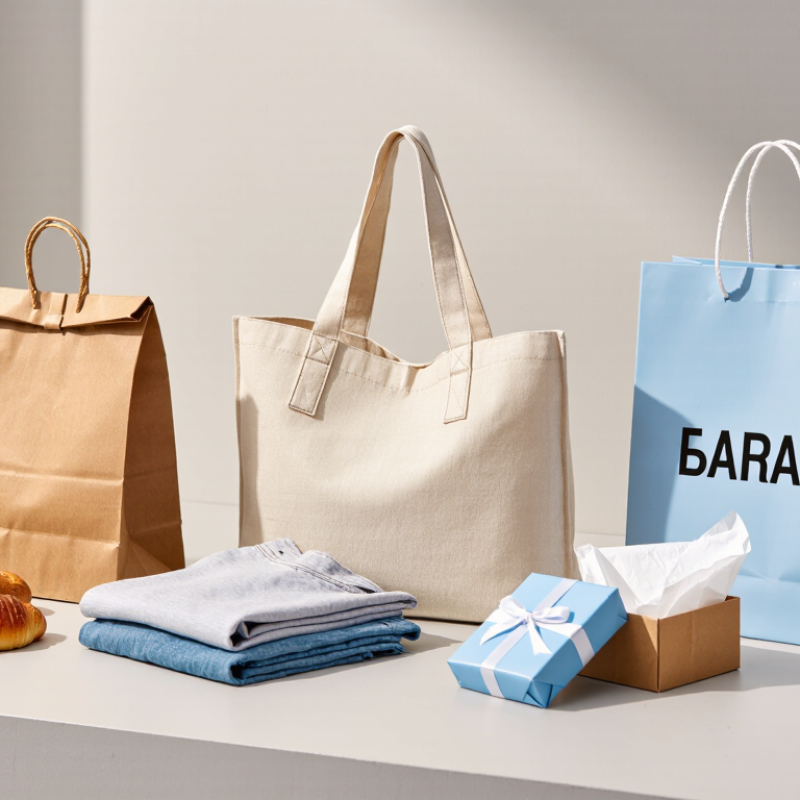
How to Choose the Best Business Shopping Bags?

Define Your Business Shopping Bag Requirements

Choosing the best business shopping bag starts with clear requirements, not attractive colors. Define what customers will carry, how far they will travel, and how often the bag will be reused. A bakery may need bags that resist grease and hold warm boxes. A clothing shop may need wider openings and stronger handles. Measure your heaviest typical order before contacting a supplier.

Size matters more than many teams expect. An oversized bag wastes material and looks careless with small purchases. A tight bag may tear at the corners. Record product dimensions, including packaging, then add practical space for easy packing. Handle length also affects comfort. Test both hand-carrying and shoulder-carrying positions. Small details become obvious during a busy sales period.

Choose paper, fabric, or another suitable material according to weight, moisture, storage, and disposal needs. Ask for samples and test them with real products, not empty boxes. Check handle attachment, folded seams, base strength, and print readability under store lighting. A simple drop test can reveal weak construction. Request production specifications and quality records when available. They improve accountability.

Budgeting should include storage, replacements, and delivery timing. Ordering too many bags may lock money into an unpopular size. Ordering too few can force rushed decisions. Start with a measured trial quantity and collect staff feedback. One useful design may still feel inconvenient after a week. Requirements should be reviewed honestly, because the first version is rarely perfect.

Compare Bag Materials, Durability, and Environmental Impact

How to Choose the Best Business Shopping Bags?

Compare Bag Materials, Durability, and Environmental Impact

Material choice should match the bag’s real working life. Paper bags suit dry, lightweight purchases and provide a familiar, recyclable feel. Recycled polypropylene handles heavier items and repeated use better, but it needs proper collection after disposal. A thin plastic bag may use less material initially, yet frequent replacement quickly changes its impact. The OECD Global Plastics Outlook (2022) reports that global plastic waste reached 353 million tonnes in 2019, with packaging as a major source.

Durability deserves measurement, not guesswork. Test handles with filled cartons, damp conditions, and repeated folding. A bag that fails outside the store wastes materials and customer trust. Life-cycle assessments also warn against choosing cotton automatically. The United Nations Environment Programme notes that production impacts depend heavily on resource use and reuse frequency. I have seen “reusable” bags abandoned after one weak seam. That is not success. The honest answer can be uncomfortable: the greener option depends on actual reuse, cleaning, transport, and end-of-life systems.

Tips:

Ask suppliers for recycled-content percentages and test certificates. Compare bags by expected uses, not appearance. Choose the lightest material that safely carries the product. Print fewer colors when practical. Track replacement rates for three months; real store data may challenge your original choice. Avoid vague claims such as “eco-friendly” without evidence. A durable bag used repeatedly usually outperforms a fashionable bag used once.

Select the Right Bag Size, Shape, and Carrying Features

How to Choose the Best Business Shopping Bags?

Select the Right Bag Size, Shape, and Carrying Features

Choosing a shopping bag starts with the products customers will carry. Measure the item, then leave enough room for protective wrapping. A bag that fits too tightly looks careless and may strain its seams. An oversized bag wastes material and allows products to slide around. Measure carefully.

Shape affects both presentation and stability. A square base helps boxed goods stand upright on a counter or car floor. Taller bags suit clothing, bottles, and narrow packages. Flat bags work well for documents and lightweight purchases. However, shape should match actual use, not only visual appeal. I once selected a deep bag for small items, and customers found it awkward to carry.

Carrying features deserve practical testing. Soft, reinforced handles feel comfortable during longer walks. Short handles suit hand carrying, while longer handles can rest over the shoulder. Check the handle attachment points, especially when the bag may hold several items. A wider opening speeds packing, but it can reduce structure. Test a filled sample before ordering in quantity. Even experienced buyers sometimes underestimate handle comfort. Small details matter.

Evaluate Branding, Customization, and Printing Options

How to Choose the Best Business Shopping Bags?

A shopping bag is more than a carrier. It becomes moving advertising on streets, counters, and customer photographs. PPAI’s 2023 Consumer Study reported that 83% of consumers develop a more favorable brand opinion after receiving promotional products. That supports investment in visible, useful packaging. However, branding must remain readable. Choose one strong logo, a short message, and clear contact details. Crowded artwork weakens recognition.

Customization should match the shopping experience. Consider bag size, handle comfort, material texture, and closure style. A rigid paper bag feels more premium, while reusable fabric supports repeated exposure. The bag should fit the product without excessive empty space. That detail affects perceived quality. It also affects shipping costs. A practical test helps: place the heaviest typical product inside, then carry it for five minutes. Small weaknesses appear quickly.

Printing choices require technical judgment. Flexographic printing suits larger quantities and simple artwork. Digital printing offers flexibility for smaller runs or changing campaigns. Ask for a physical proof before production. Screen colors often appear different on kraft, recycled, or colored materials. ASI’s 2023 Ad Impressions Study found that 85% of consumers remembered the advertiser on a promotional item. Still, exposure alone does not guarantee trust. I would avoid promising perfect results. Even an attractive bag can fail when ink smears, handles loosen, or the message feels generic. Review durability, color accuracy, and customer feedback before repeating the order.

How to Choose the Best Business Shopping Bags? – Evaluate Branding, Customization, and Printing Options

Bag Type Typical Material Branding Potential
(1–5)
Customization Options Recommended Printing Typical Reusability Indicative Order Range Typical Lead Time Best Business Use Key Limitation
Paper Shopping Bag Kraft or coated paper, usually 120–250 gsm 4/5 Size, paper color, rope or ribbon handles, matte or gloss finish, reinforced base Flexographic, offset, or digital printing Low to medium; suitable for light-to-moderate loads 500–10,000 units 10–25 business days Retail stores, events, boutiques, takeaway packaging Can lose strength when exposed to moisture or excessive weight
Cotton Tote Bag Woven cotton, commonly 140–300 gsm 5/5 Fabric weight, gusset, handle length, pocket, label, embroidery, dyed color Screen printing, digital textile printing, embroidery High; washable and designed for repeated use 100–5,000 units 15–35 business days Conferences, promotional campaigns, bookstores, lifestyle retail Higher unit cost and possible color variation between production batches
Non-Woven Polypropylene Bag Spunbond polypropylene, commonly 60–120 gsm 4/5 Handle style, gusset, size, laminated surface, edge binding, printed panels Screen printing, heat transfer, flexographic printing Medium to high; lightweight and moisture-resistant 500–20,000 units 10–25 business days Trade shows, grocery promotions, mass marketing campaigns Less premium appearance than woven fabric or high-quality paper
Woven Polypropylene Bag Laminated or unlaminated woven polypropylene 3/5 Bag dimensions, lamination, handle construction, zipper, pocket, full-surface graphics Rotogravure, flexographic, or laminated-film printing High; suitable for heavier products and repeated handling 1,000–50,000 units 20–40 business days Wholesale distribution, agricultural products, warehouse retail More industrial appearance and usually requires larger production volumes
Recycled PET Bag Fabric made from recycled polyethylene terephthalate fibers 4/5 Fabric color, structure, zipper, pocket, woven label, recycled-content messaging Screen printing, transfer printing, digital printing High; strong, lightweight, and suitable for repeated use 500–10,000 units 20–40 business days Sustainability-focused campaigns, corporate gifts, travel retail Recycling claims should be supported by accurate material documentation
Jute or Natural-Fiber Bag Jute, cotton-jute blend, or other plant-based woven fibers 4/5 Handle material, lining, gusset, window, embroidery, printed patch, woven label Screen printing, block printing, embroidery, heat transfer High; strong structure with a natural texture 500–5,000 units 20–45 business days Gift shops, premium retail, organic and natural-product businesses Natural fibers may have texture, color, and size variations
Reusable LDPE or HDPE Bag Low-density or high-density polyethylene film 3/5 Film thickness, handle cutout, gusset, opaque or transparent finish, bag size Flexographic printing, commonly one to several colors Medium; depends on film thickness and load requirements 5,000–100,000 units 15–30 business days Supermarkets, pharmacies, convenience retail, high-volume distribution Environmental suitability depends on collection, reuse, and recycling systems

Planning note: Order quantities, lead times, printing methods, and material specifications are typical industry ranges. Final requirements should be confirmed with a supplier after reviewing artwork, bag dimensions, load capacity, color standards, packaging regulations, and delivery location.

Balance Product Quality, Order Quantity, and Total Cost

Choosing the best business shopping bags requires more than comparing the lowest unit price. In procurement projects, I have seen attractive samples fail when handles stretch or seams split. Product quality should match the items customers carry, the store environment, and the expected reuse cycle. Check material thickness, handle strength, printing clarity, and bag dimensions before approving production. A small loading test can reveal more than a polished sample.

Order quantity directly affects total cost. Larger orders often reduce the unit price, but they can create storage pressure and tie up cash. Review sales records, seasonal demand, and available warehouse space before committing. A realistic forecast is safer than an optimistic guess. Still, forecasts are imperfect. A smaller first order may cost more, but it can reduce waste and expose quality problems early.

Calculate the complete cost, not only the quoted price. Include packaging, delivery, setup charges, storage, inspections, and possible replacements. Ask suppliers for clear specifications and written pricing at several quantities. Compare equal products, because cheaper material can distort the result. I once underestimated delivery charges on a bulk order, and the “saving” nearly disappeared. That experience made landed-cost checks essential. Reliable decisions come from testing, documented measurements, and honest assumptions about future demand.

FAQS

How should a business define its shopping bag requirements?

List the products, packaging, weight, travel distance, and expected reuse. Measure the heaviest normal order. A bakery may need grease resistance and room for warm boxes.

How does bag size affect customer experience?

An oversized bag wastes material and looks careless with small purchases. A tight bag can tear at the corners. Measure packaged products, then add practical space.

What handle features should businesses test?

Test handles by hand and over the shoulder. Check comfort during a busy sales period. Short handles may feel awkward. Strong attachment matters more than appearance.

Which bag material is suitable for different products?

Choose materials according to weight, moisture, storage, and disposal needs. Fabric may suit repeated use. Paper may suit lighter products. Test real items, not empty boxes.

How can a business check bag quality before production?

Request samples and use actual products. Inspect seams, handles, the base, and print readability under store lighting. Try a simple drop test. Polished samples can still fail.

How many bags should a business order initially?

Review sales records, seasonal demand, and storage space. Begin with a measured trial quantity. Start small. A larger order may lower unit cost but create excess inventory.

What costs should be included in the bag budget?

Include the unit price, packaging, delivery, setup, storage, inspections, and replacements. Compare written prices at several quantities. Cheap materials can distort the calculation.

How should a business review its bag decision?

Collect staff feedback after real use. Check tearing, comfort, packing speed, and customer reactions. Forecasts are imperfect. I once underestimated delivery charges, and the savings nearly disappeared.

Conclusion

Choosing the best Business Shopping Bags starts with clearly defining your business needs, including the products you sell, expected carrying weight, customer preferences, and typical usage scenarios. Compare materials such as paper, plastic, fabric, and reusable alternatives by considering durability, appearance, environmental impact, and disposal or reuse potential. The right size and shape should protect products while remaining comfortable to carry, with features such as reinforced handles, gussets, or secure closures adding practical value.

Brand presentation is also important, so evaluate printing methods, color options, finishes, and customization possibilities that support a consistent visual identity. At the same time, balance product quality with order quantity and total cost rather than focusing only on the lowest unit price. Reviewing production requirements, storage space, shipping expenses, and long-term usability can help you choose bags that deliver reliable performance, professional presentation, and sensible value for your business.

Aria

Aria

Aria is a dedicated marketing professional with a deep passion for innovative strategies and a keen understanding of our company's product offerings. With a wealth of experience in the industry, Aria excels at crafting engaging content that highlights the unique features and benefits of our......