
How to Choose Luxury Gift Packaging in 2026?

Time:2026-10-12 Author:Sophia
0%

Choosing Luxury Gift Packaging in 2026 requires more than selecting a heavy box and metallic foil. It demands a clear understanding of brand identity, customer expectations, and environmental responsibility. A premium package should feel considered before it is opened. It should protect the gift, communicate value, and create a memorable first touch. Andrew Gibbs, founder of The Dieline, has said, “Packaging is the brand experience.” That observation remains highly relevant for luxury brands competing in crowded markets.

Material choices will shape that experience. Rigid paperboard, molded fiber, recycled cotton ribbons, and water-based finishes can create elegance without unnecessary excess. A magnetic closure may feel satisfying, but its durability and recyclability deserve scrutiny. Small details matter. The grain of the paper. The sound of the lid. The fit of the insert. These physical signals often influence perceived quality more than a logo does. In 2026, brands should also consider personalization, traceable materials, reusable structures, and accessible opening mechanisms. Luxury should not become difficult to use.

There is no perfect formula. A lavish design can impress customers while creating avoidable waste. A sustainable package can feel thoughtful, yet look unfinished if its construction lacks precision. That tension needs honest testing. Ask customers to open prototypes. Measure damage, reuse, storage, and emotional response. Review supplier certifications and production records. Then refine the design. The strongest Luxury Gift Packaging balances beauty, performance, responsibility, and commercial reality. It does not merely decorate a gift. It gives the gift a reason to be remembered.
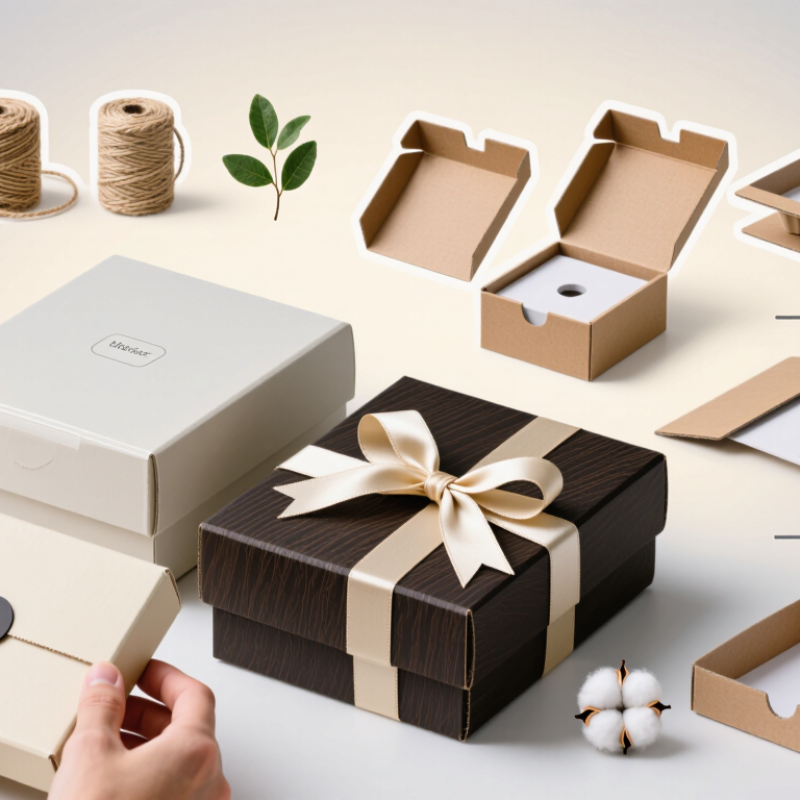
How to Choose Luxury Gift Packaging in 2026?

Define the Purpose and Recipient of the Luxury Gift

How to Choose Luxury Gift Packaging in 2026?

Luxury gift packaging should begin with purpose, not appearance. A birthday gift needs warmth, while a corporate thank-you needs restraint. A wedding gift may require delicate details and safe presentation.

The recipient matters equally. Consider age, lifestyle, cultural preferences, and practical habits. A collector may value a rigid box. A frequent traveler may prefer a lighter, reusable case. Personal relevance often feels more luxurious than excessive decoration.

Packaging also communicates responsibility.

Trivium Packaging’s 2023 Global Buying Green Report found that 82% of consumers would pay more for sustainable packaging. This expectation reaches premium gifting. Choose recyclable paper, reusable fabric, and minimal plastic components.

Check the material claims carefully. Green-looking packaging is not always sustainable. That mistake remains common. The World Packaging Organisation also emphasizes design efficiency, material reduction, and clear disposal guidance in responsible packaging development. These details support professional purchasing decisions.

Tips:

  • Match the package to the occasion.
  • Add one useful personalization, such as a name card or preferred color.
  • Avoid oversized boxes for small gifts.
  • Test the opening experience before ordering in volume.

I still sometimes choose a beautiful box that feels awkward to store. That is a useful reminder. Luxury should look refined, feel intentional, and respect the recipient’s real life.

Select Premium Materials and Appropriate Packaging Formats

How to Choose Luxury Gift Packaging in 2026?

In my packaging experience, material choice shapes the gift before the recipient sees it. Rigid board gives boxes strength and a quiet, substantial feel. Recycled paper adds texture, especially with visible fibers and natural color variation. For delicate gifts, molded pulp inserts can protect surfaces without looking industrial. Glass, wood, and fabric may feel premium, but they increase weight and shipping impact. That trade-off deserves honest review.

The format should match the gift, not merely follow fashion. A drawer box suits small jewelry, cosmetics, or handwritten notes. A lift-off rigid box works better for heavier objects and repeated use. A folding carton can reduce storage space while still appearing refined with precise printing and a textured finish. Test the inner tray carefully. A loose fit feels careless, while excessive padding creates waste. Small details matter.

I once approved a beautiful soft-touch coating that marked easily during handling. It looked excellent in photographs and disappointing in practice. That mistake changed my process. Now I test abrasion, humidity, opening force, and drop resistance before final production. Short opening videos can also reveal awkward ribbons or noisy closures. Luxury should feel calm.

Choose materials that support the product’s weight, temperature, and storage conditions. Use restrained decoration, clean edges, and finishes that remain attractive after transport. A premium package does not need to be heavy or complicated. Sometimes, the most convincing choice is the one that leaves less behind.

Match Colors, Textures, and Finishes to the Gift and Brand

How to Choose Luxury Gift Packaging in 2026?

Luxury packaging should feel intentional before the gift is opened. In packaging projects, I have found that color sets the emotional direction first. Deep green can suggest craft, while warm ivory feels calm and refined. Match the shade to the gift, not only to current trends. A delicate item may need quiet tones and a lighter structure. A bold gift can support richer color and stronger contrast. Always check samples in daylight and warm indoor light. Colors change.

Texture adds the next layer of meaning. Uncoated paper feels honest and tactile, while smooth coated stock appears cleaner and more formal. Linen textures can support heritage-inspired gifts, but they may feel excessive on a modern package. I prefer testing the box with one hand. Does it feel substantial? Does the opening feel controlled? A magnetic closure may create a satisfying pause, but weak magnets quickly damage that impression.

Finishes should support the gift and brand personality without competing for attention. Foil can highlight a small mark, while embossing gives depth through shadow. A matte surface often makes soft colors look more sophisticated, yet it can show fingerprints. I once approved a beautiful dark sleeve that looked dusty after handling. That mistake changed my sampling process. Ask for rub tests, edge checks, and realistic packing trials before production. Leave room for small flaws; perfection on screen is not always practical in hand.

Evaluate Sustainability, Protection, and Practical Usability

Luxury Gift Packaging in 2026: Evaluate Sustainability, Protection, and Practical Usability

Luxury packaging should feel special without becoming unnecessary waste. In packaging trials, I have found that material choice matters more than decorative complexity. Recycled paperboard, water-based coatings, and molded fiber inserts can reduce environmental impact. However, sustainability claims need evidence. Ask suppliers for recycled content data, sourcing certificates, and disposal guidance. A beautiful box is not sustainable if consumers cannot recycle its mixed materials.

Protection remains essential, especially for glass, ceramics, and delicate accessories. Test the package with drop, vibration, and compression checks before approving production. A rigid outer box may look impressive, but weak corners can cause damage during delivery. Inserts should hold products firmly without scratching them. Small details matter. A loose lid can make the entire gift feel careless.

Practical usability often receives less attention. The recipient should open the package smoothly, without cutting through several hidden layers. Easy-to-remove ribbons and reusable boxes improve the experience. Keep the structure compact enough for storage and shipping. Oversized packaging increases transport volume and may frustrate customers. I still see designs that protect the product well but create too much waste. That is a useful warning. Luxury should suggest care, not excess. Evaluate the full journey, from factory handling to the recipient’s final disposal decision.

Personalize the Packaging and Verify Quality Before Purchase

Luxury gift packaging in 2026 should feel personal before it feels expensive. Choose colors, textures, and closures that match the recipient’s style. A soft-touch surface can suit a quiet, refined gift. Embossed initials may create a stronger emotional connection. Keep the design restrained. Too many decorative details can make the package look careless.

Tips: Ask for a physical sample before ordering in bulk. Check the box under bright and natural light. Test the ribbon, magnetic closure, and inner padding by hand. Confirm whether printed colors match the approved proof. Small differences matter.

Quality verification requires more than attractive photographs. Inspect the edges for clean cuts and consistent folds. The lid should close evenly without pressure or loose corners. Paper should feel firm, while the interior should protect the gift from scratches. Request material specifications, production tolerances, and a clear replacement policy. These details show whether the supplier works professionally.

Personalization can also expose weaknesses. Fine lettering may blur on rough paper. Metallic finishes can appear uneven across different batches. I once underestimated how much a dark lining changed the presentation. The sample looked elegant, but the final interior felt too heavy. That mistake reminded me to review the complete package, not isolated features. Ask for updated samples when materials or artwork change. A polished appearance is useful, but reliable construction protects the gift and the buyer’s reputation.

FAQS

How should I choose a material for luxury gift packaging?

Match the material to the gift’s weight, surface, and storage conditions. Rigid board feels strong and substantial. Recycled paper adds visible fibers and natural texture. Glass, wood, and fabric look premium but increase weight and shipping impact. Review that trade-off honestly.

Which packaging format suits different gifts?

A drawer box suits jewelry, cosmetics, or handwritten notes. A lift-off rigid box supports heavier gifts and repeated use. Folding cartons save storage space. Choose the structure for the gift, not passing fashion.

How can packaging protect delicate products?

Use molded fiber or pulp inserts for fragile surfaces. Test drop, vibration, and compression resistance. The insert should hold the item firmly without scratching it. A loose fit feels careless. Excess padding creates waste.

What sustainability details should I verify?

Ask for recycled-content data, sourcing certificates, and disposal guidance. Water-based coatings and molded fiber may reduce environmental impact. Mixed materials can become difficult to recycle. A green claim needs evidence.

How can I test packaging before bulk production?

Request a physical sample. Check it under bright and natural light. Test abrasion, humidity, opening force, and drop resistance. Also test ribbons, closures, and inner padding by hand. Do not trust photographs alone.

What makes luxury packaging easy to use?

The recipient should open it smoothly. Ribbons should remove easily. Closures should feel secure, not noisy or difficult. Reusable boxes can improve the experience. Keep the package compact for storage and shipping.

How can personalization improve the gift experience?

Match colors, textures, and closures with the recipient’s style. Embossed initials can create a personal connection. Fine lettering may blur on rough paper. Keep decoration restrained. Too many details can look careless.

What quality problems should I watch for?

Inspect clean edges, even folds, and consistent corners. The lid should close evenly without pressure or looseness. Check printed colors against the approved proof. Request material specifications and production tolerances. I once approved a coating that marked easily. It looked better in photographs. That was my mistake.

Conclusion

Choosing the right Luxury Gift Packaging in 2026 begins with understanding the gift’s purpose, the recipient’s preferences, and the impression you want to create. A thoughtful package should reflect the occasion while offering a sense of quality and anticipation. Consider premium materials such as rigid paperboard, textured paper, fabric, wood, or responsibly sourced alternatives, and select a format that suits the item, whether it is a box, pouch, sleeve, or presentation case.

Color, texture, and finishing details should complement both the gift and its visual identity without appearing excessive. At the same time, packaging should provide reliable protection, practical handling, and responsible material choices, including recyclable or reusable components where possible. Personalization, such as a message, monogram, or carefully selected insert, can make the experience more meaningful. Before purchasing, verify the dimensions, construction, printing accuracy, surface quality, closure, and delivery condition to ensure the final presentation is refined, functional, and worthy of the gift.

Sophia

Sophia

Sophia is a dedicated marketing professional with an exceptional depth of knowledge about her company's products and services. With a keen understanding of market trends and customer needs, she crafts insightful blog posts that not only inform but also engage readers, enriching the company’s online......