
How to Choose Food Packaging Box Manufacturers in 2026?

Time:2026-10-25 Author:Henry
0%

Choosing the right Food Packaging Boxes Manufacturers in 2026 requires more than comparing prices. Packaging now affects food safety, shelf appeal, delivery performance, and brand trust. A weak box can collapse during transit, absorb moisture, or leave printed ink near exposed food. These details matter.

Experienced buyers should examine each manufacturer’s materials, production controls, and quality records. Ask for food-contact documentation, material specifications, migration test results, and batch inspection procedures. Reliable suppliers should explain where paperboard comes from and how coatings perform in cold, oily, or humid conditions. A sample box should survive stacking, refrigeration, and a short delivery simulation. It should also look accurate under store lighting.

Sustainability claims need careful review. “Eco-friendly” sounds useful, but it can hide vague sourcing or difficult recycling layers. Request measurable information about recycled content, certifications, inks, and end-of-life options. A supplier with clear answers usually inspires more confidence than one offering polished promises.

Production experience also deserves attention. Can the factory maintain color consistency across large orders? Can it adjust dimensions without damaging the structure? Can it respond when demand changes suddenly? These questions reveal practical capability.

No checklist is perfect. Some buyers focus too heavily on appearance and overlook moisture resistance. Others accept the lowest quote and discover hidden costs later. The strongest decision balances safety, performance, design, communication, and verified evidence. In 2026, selecting a packaging partner should feel less like a quick purchase and more like a careful quality review.
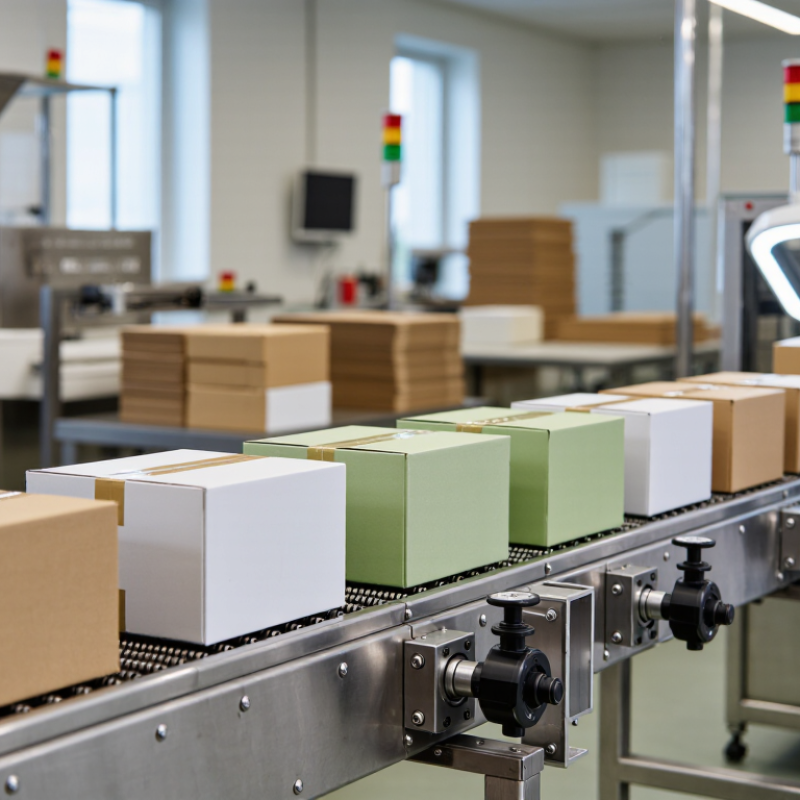
How to Choose Food Packaging Box Manufacturers in 2026?

Define Your Food Packaging Needs and Product Requirements

Choosing a food packaging box manufacturer in 2026 starts with a clear product brief. Define the food’s moisture, oil, heat, weight, and shelf-life requirements. A frozen meal needs different protection from dry biscuits. Fresh produce may need ventilation, while powdered foods need strong compression resistance.

The Smithers packaging market analysis reports continued growth in recyclable and fiber-based solutions, but material choice must follow performance, not fashion. The 2024 UNEP Food Waste Index estimated 1.05 billion tonnes of food waste in 2022. Suitable packaging can reduce damage, leakage, and premature spoilage. However, more material is not always better. A heavier box may increase transport emissions and still fail in humid storage. Specify internal dimensions, stacking height, filling temperature, printing needs, food-contact compliance, and expected monthly volume. Include test methods, not vague terms like “premium quality.” In practice, a perfect specification rarely exists. Product testing may expose weak assumptions.

Tips: Request samples made with the proposed board grade. Test them after refrigeration, vibration, compression, and exposure to moisture. Ask manufacturers for migration-test documents, factory quality procedures, batch traceability, and realistic lead times. The PMMI Packaging Compass reports that automation and packaging efficiency remain major investment priorities, so check whether a supplier can support machine-line compatibility. Also compare total cost, including tooling, waste, transport, and rejected units. Cheap packaging can become expensive quickly.

Assess Manufacturer Materials, Safety Standards, and Certifications

How to Choose Food Packaging Box Manufacturers in 2026?

A capable manufacturer should explain every material layer, not just show attractive samples. Ask whether the box uses virgin fiber, recycled fiber, or a controlled combination. Recycled content can reduce resource use, but its food-contact suitability needs clear evidence. Check the inner coating, adhesive, ink, and grease barrier separately. A box may look clean while its coating fails under hot oil or moisture. Request migration test reports for the intended food type, temperature, and storage period. Small details matter.

Safety systems deserve equal attention. Review documented hygiene controls, allergen management, pest prevention, traceability, and batch-release procedures. The facility should provide current food-contact declarations and relevant certifications from recognized, independent bodies. Confirm the certificate scope, site address, expiration date, and covered product categories. A general quality certificate may not prove packaging safety. Ask for recent audit findings and corrective-action records. Honest answers are useful.

I would also test a production sample, not only a showroom prototype. Check odor, print transfer, seam strength, and box performance after refrigeration. Keep one sample from each approved batch. This creates evidence when problems appear later. Certification helps, but it is not proof of every shipment. I have seen purchasing teams overlook adhesive changes. That mistake is easy to make. Recheck the paperwork before signing. Supplier confidence should come from records, testing, and repeatable factory practice, not promises.

Compare Production Capacity, Technology, and Quality Control

How to Choose Food Packaging Box Manufacturers in 2026?

Compare Production Capacity, Technology, and Quality Control

Choosing a food packaging box manufacturer requires more than checking a catalog. Production capacity shows whether the factory can handle seasonal demand, urgent replenishment, and multiple box sizes. Ask for realistic monthly output, not only maximum figures. A factory may promise high volume, yet struggle when several customers place orders together.

Technology affects consistency. Inspect the printing process, die-cutting equipment, folding lines, and automation level. Modern equipment can reduce color variation, crooked folds, and material waste. However, technology alone is not enough. Experienced operators still matter, especially when packaging uses complex structures or moisture-resistant coatings. Request production samples from the same equipment used for your order.

Quality control should be visible and measurable. Reliable manufacturers check incoming paperboard, ink adhesion, dimensions, compression strength, and finished appearance. Ask how they record inspection results and manage defective units. Traceability is valuable when a problem appears months later. Batch codes help identify materials, operators, and production dates.

See the records.

A factory visit can reveal more than a sales presentation. Look for clean storage, separated materials, calibrated testing tools, and clear inspection stations. No manufacturer is flawless. I would be cautious if a supplier claims zero defects or refuses to discuss past production problems. A better partner explains its limits and shows how corrective actions are verified. Before signing, run a pilot order and compare actual delivery, box strength, color accuracy, and packing efficiency against the approved sample.

Evaluate Pricing, Minimum Orders, Lead Times, and Logistics

How to Choose Food Packaging Box Manufacturers in 2026?

Choosing a food packaging box manufacturer requires more than the lowest quotation. Smithers’ The Future of Global Packaging to 2028 estimates the market could approach 1.2 trillion US dollars by 2028. Rising demand may increase material and freight pressure. Request itemized pricing for board grade, coating, printing, tooling, inspection, and delivery. Compare landed cost, not unit price. A cheap carton can become expensive after damage, rework, or customs delays. Ask whether quoted prices remain valid for 30, 60, or 90 days.

Minimum orders deserve careful review. A large MOQ may reduce unit cost but trap cash in unused inventory. Request a pilot run before approving full production. Confirm sampling charges, setup fees, and repeat-order pricing. Lead times should include artwork approval, tooling, production, inspection, and transport. The World Bank’s 2023 Logistics Performance Index compares 139 economies across six logistics dimensions. Use its findings to question vague delivery promises. Require a written schedule with shipping terms, carton dimensions, pallet counts, and contingency plans. Some delays still happen.

Tips: Ask for two logistics options, not one. Compare sea, rail, and air costs against shelf-life needs. Confirm the factory’s loading photos and inspection records. Build a small safety stock. It may be imperfect, but it protects launches from one missed vessel or damaged pallet.

How to Choose Food Packaging Box Manufacturers in 2026? — Evaluate Pricing, Minimum Orders, Lead Times, and Logistics
Supplier Type Suitable Packaging Indicative Price
per 1,000 Units (USD)
Typical MOQ Sample Lead Time Production Lead Time Logistics Profile Best Evaluation Criteria
Local Digital Converter Short-run folding cartons, bakery boxes, product launch packaging $350–$900 100–500 units 3–7 business days 7–15 business days Domestic parcel or pallet delivery; low freight complexity Short lead times, low MOQ, color approval, and rush-order capability
Regional Folding-Carton Manufacturer Printed paperboard cartons for dry foods, snacks, and retail products $180–$500 1,000–5,000 units 5–10 business days 15–30 business days Truck or pallet freight; economical for recurring regional orders Unit price at the target volume, structural consistency, and replenishment capacity
High-Volume Offset Printer Retail cartons with multiple colors, coatings, windows, or inserts $100–$300 5,000–20,000 units 7–12 business days 25–45 business days Palletized freight; lower unit freight cost at full pallet quantities Press capacity, print registration, waste control, and tooling charges
Export-Oriented Contract Manufacturer Custom food boxes, corrugated shipping packs, and coordinated packaging sets $90–$280 5,000–30,000 units 7–14 business days 30–55 business days Ocean, rail, or air freight; requires export documentation and customs planning Delivered cost, carton compression, export experience, and production visibility
Sustainable-Packaging Specialist Recycled, kraft, molded-fiber, or plastic-free food packaging $220–$750 1,000–10,000 units 7–15 business days 20–50 business days Material availability can affect schedules; pallet density should be verified Verified material claims, food-contact documentation, and moisture performance
Flexible-Volume Manufacturer Standard-size boxes with limited customization and repeat-order programs $150–$420 2,000–8,000 units 5–10 business days 18–35 business days Scheduled weekly dispatches; suitable for staged inventory replenishment Forecast flexibility, partial shipments, inventory holding, and reorder pricing
Premium Structural Packaging Partner Rigid setup boxes, specialty inserts, gift packaging, and premium food sets $650–$2,000 500–3,000 units 10–20 business days 35–70 business days Higher dimensional weight; protective packing and damage control are essential Prototype accuracy, hand-finishing quality, packaging protection, and defect policy
Planning benchmark: Prices are indicative 2026 budgeting ranges in USD for standard food-packaging formats and moderate customization. Actual quotations vary according to board grade, box dimensions, print coverage, coatings, inserts, tooling, order quantity, destination, certification requirements, and Incoterms.
How to compare quotations: Request the same specification from each manufacturer, including box style, internal dimensions, board material and thickness, print colors, finishing, food-contact requirements, packaging method, quantity, delivery destination, and Incoterm. Compare total landed cost rather than unit price alone.

Verify Sustainability, Communication, and Long-Term Reliability

How to Choose Food Packaging Box Manufacturers in 2026?

Sustainability claims need evidence, not polished website language. Ask manufacturers for recycled-content records, material specifications, ink details, and food-contact declarations. Check whether their certificates are current and issued by recognized organizations. A factory may use recyclable board but still create excessive waste during cutting. That detail matters. Request production photos, waste data, and recent audit findings when possible. Perfect sustainability rarely exists, so examine weaknesses openly.

Communication reveals daily professionalism. During sampling, note how quickly the manufacturer answers technical questions. Do they confirm box dimensions, compression strength, moisture resistance, and delivery dates in writing? Clear drawings prevent costly mistakes. Ask who handles urgent changes and how approvals are documented. Vague replies may become bigger problems after production begins. A friendly conversation is not enough.

Tips: Request a physical sample before placing a large order. Compare the sample with the approved specification. Ask for two customer references from similar packaging projects. Review their typical lead time, backup material sources, quality-control checks, and corrective-action process. Test a small shipment first. It may feel slower, but it exposes weak systems early. Also, discuss what happens when a batch fails inspection. Reliable manufacturers explain responsibility, replacement timing, and preventive action without becoming defensive. One overlooked issue remains: even strong suppliers can experience delays during peak seasons, so keep realistic schedules and written contingency plans.

FAQS

What material details should a food packaging box manufacturer provide?

Ask whether the board uses virgin fiber, recycled fiber, or a controlled blend. The supplier should explain coatings, adhesives, inks, and grease barriers. A clean surface proves very little.

How can I check whether the box is suitable for food contact?

Request migration test reports for the intended food, temperature, and storage period. Check performance with hot oil, moisture, and refrigeration. Test the real conditions.

Which safety records should a manufacturer show?

Review hygiene controls, allergen management, pest prevention, traceability, and batch-release procedures. Request current food-contact declarations and relevant independent certifications. Check scope, site address, expiry date, and product categories.

Are general quality certificates enough?

Not always. A general quality certificate may not confirm packaging safety. Ask for recent audit findings and corrective-action records. Honest details matter.

What should I inspect in a production sample?

Check odor, print transfer, seam strength, dimensions, and box performance after refrigeration. Use samples made on the same equipment planned for your order. Showroom prototypes can mislead.

How should production capacity be evaluated?

Ask for realistic monthly output during seasonal demand and multiple simultaneous orders. Do not rely only on maximum capacity figures. Peak periods expose weaknesses.

Which manufacturing and quality-control details deserve attention?

Inspect printing, die-cutting, folding, automation, and coating processes. Ask how the factory checks paperboard, ink adhesion, compression strength, and finished appearance. See the records.

How can I reduce risks before signing a long-term agreement?

Run a pilot order and compare delivery, strength, color accuracy, and packing efficiency. Keep one approved sample from each accepted batch. Recheck paperwork before signing. I may be overly cautious, but promises are not evidence.

Conclusion

Choosing the right Food Packaging Boxes Manufacturers in 2026 requires more than comparing prices. Start by defining your product’s packaging needs, including size, shape, protection, printing, storage conditions, and customer experience. Then assess the manufacturer’s materials, food-contact safety practices, certifications, and ability to meet applicable quality requirements. A reliable supplier should also demonstrate suitable production capacity, modern technology, consistent quality control, and the flexibility to support both trial orders and future growth.

Before making a decision, compare total costs, minimum order quantities, production schedules, shipping arrangements, and delivery reliability. Sustainability should also be evaluated through responsible material choices, efficient production, recyclability, and waste reduction. Clear communication is essential throughout sampling, production, inspection, and logistics. By reviewing these factors together and requesting transparent documentation, buyers can identify a dependable manufacturing partner that delivers safe, attractive, compliant, and cost-effective packaging over the long term.

Henry

Henry

Henry is a dedicated marketing professional with a profound expertise in the company's offerings. With years of experience in the industry, he possesses an impressive understanding of the market dynamics and consumer behaviors that drive success. Henry is committed to sharing his insights through......