
In today's competitive market, choosing the right custom printed food packaging can significantly impact brand visibility and consumer engagement. According to a report by Smithers Pira, the custom food packaging sector is projected to reach $300 billion by 2026, driven by consumer demand for unique, visually appealing products. This trend underscores the importance of thoughtful design and quality materials in custom printed food packaging.
Industry expert Jane Doe emphasizes, "Great packaging is not just about function; it’s about creating a memorable experience." Her insight reflects the growing importance of aesthetics in food packaging, particularly in attracting environmentally conscious consumers. Customers increasingly prefer brands that prioritize sustainable packaging solutions, as highlighted by a recent survey indicating that 72% of consumers are willing to pay more for goods from environmentally responsible companies.
However, the process of choosing custom printed food packaging is not without its challenges. Many brands struggle to balance creativity with functionality. The wrong choice can lead to wasted resources and missed sales opportunities. Thus, businesses must approach this decision with care, weighing visual appeal against practical considerations like cost and material safety. As companies navigate these complexities, understanding what truly makes packaging stand out will be essential for success.
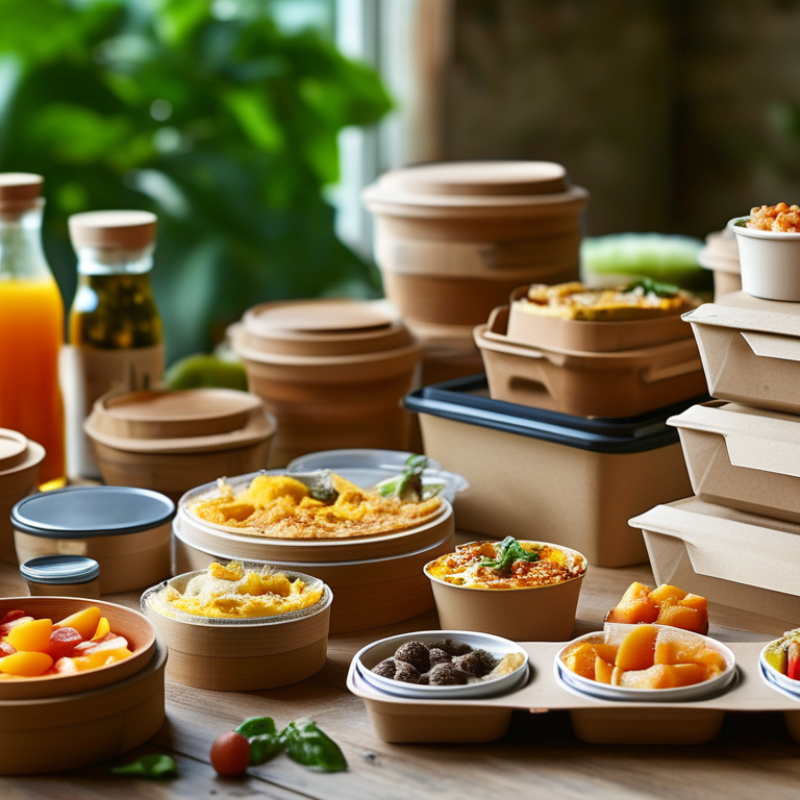
When it comes to food packaging, custom printed designs play a vital role in brand identity. Research shows that over 70% of consumers make snap judgments based on packaging alone. Effective packaging not only protects the product but also communicates the brand's message and values. Eye-catching designs can significantly enhance shelf appeal, driving higher sales.
Creating distinctive custom packaging requires a clear understanding of the audience. Consumers often prefer sustainable packaging, with 62% indicating they feel better about purchases that use eco-friendly materials. Packaging that emphasizes these attributes can increase customer loyalty. Using bold colors, unique shapes, and innovative printing techniques can further help brands stand out.
Consider your packaging's message. Does it reflect your brand’s personality? High-quality graphics and concise information can attract attention within seconds. Be mindful of readability; ensure that labels are easy to understand. Engage with professional designers to optimize your packaging layout and messaging. Small refinements can have a great impact on customer perception.
Understanding your target audience is crucial for effective food packaging design. Research indicates that 72% of consumers say packaging design influences their purchase decisions. By identifying the preferences of your audience, you can create compelling packaging that resonates with them.
Think about who your customers are. Are they health-conscious parents looking for organic snacks? Or millennials seeking trendy, sustainable options? Each group has distinct preferences. For example, studies show that eco-friendly packaging appeals to 74% of consumers. Use colors, materials, and images that align with your audience's values. This will help your product stand out on crowded shelves.
Before finalizing your design, gather feedback. Test prototypes with focus groups from your target demographic. This process can reveal unexpected insights. Perhaps your chosen color evokes a different reaction than intended. Listening to real feedback leads to more effective design choices. Aim for a balance between creativity and functionality in your packaging.
Choosing the right materials for custom food packaging is vital for any food business. Quality packaging not only protects food but also communicates brand values. Different materials serve specific purposes, making the selection process crucial. For example, paper, plastic, or biodegradable options have different strengths and weaknesses.
When opting for paper packaging, consider its ability to absorb moisture. This is essential for items like baked goods or takeaway meals. Plastic, on the other hand, provides a waterproof barrier, ideal for liquids or perishable items. However, the environmental impact of plastic cannot be ignored. Using recycled materials may resonate better with eco-conscious customers.
Biodegradable options are gaining traction. They show commitment to sustainability. Yet, they can pose challenges in terms of cost and availability. Reflecting on these points helps in making informed choices. Each material offers unique benefits and drawbacks that require careful weighing. The ideal solution is not always clear, but understanding these nuances can lead to better packaging decisions.
When considering custom printed food packaging, design elements play a crucial role in capturing attention. According to a study by Packaging Strategies, 72% of consumers say packaging design influences their purchasing decisions. Unique shapes, vibrant colors, and clear typography can create an immediate impression. For instance, using a bold color palette can evoke appetizing emotions, while minimalist designs convey premium quality.
Incorporating texture is another effective way to stand out. Research shows that tactile packaging increases engagement by 60%. Consider using embossed finishes or soft-touch lamination to enhance the sensory experience. These elements not only attract attention but also foster a connection with consumers.
When choosing design elements, keep functionality in mind. The packaging should be easy to open, reseal, and store, ensuring it meets customer needs. Reflecting on your design choices is vital. Are they truly aligned with your brand's message? Effective design balances aesthetics and practicality, creating packaging that not only looks appealing but also serves its purpose well.
When evaluating production considerations for custom food packaging, start with understanding the materials. Your choice influences durability and compliance with food safety standards. Explore options like biodegradable plastics or recycled paper. These choices can enhance your brand's image while meeting customer expectations for sustainability.
Cost is another critical factor. Analyze the cost of materials versus the value they provide. Custom designs may have a higher upfront cost, but they can attract more customers. Consider bulk purchasing to reduce expenses. It might be tempting to opt for cheaper alternatives, but this could affect your packaging's quality and effectiveness.
Don't overlook production times. Delays can impact your launch schedule. Engage with manufacturers to clarify lead times. Be mindful of potential setbacks in design approvals or printing processes. Reflect on previous experiences; this can inform your current decisions. Every aspect must align to create packaging that not only stands out but also supports your brand effectively.
: It protects food and communicates brand values effectively.
Its ability to absorb moisture, especially for baked goods.
It provides a waterproof barrier for liquids and perishable items.
The negative effects of plastic and the benefits of using recycled materials.
They demonstrate a commitment to sustainability and attract eco-conscious consumers.
They significantly influence consumer purchasing decisions, capturing attention.
Bold colors and unique shapes evoke emotions and create strong impressions.
It increases consumer engagement and fosters a deeper connection.
It should be easy to open, reseal, and store for customer convenience.
It ensures alignment with brand messaging and mission.
Custom Printed Food Packaging plays a crucial role in attracting consumers and establishing brand identity. Understanding the importance of this type of packaging starts with identifying your target audience, which can inform design choices and material selection. The right packaging materials not only enhance the aesthetic appeal but also ensure product safety and shelf life.
In addition to material selection, the design elements of Custom Printed Food Packaging, such as color, typography, and imagery, are vital for making products stand out on the shelf. It’s also essential to evaluate production processes and associated costs to ensure that the packaging not only appeals to customers but is also economically viable. By carefully considering these factors, businesses can create effective packaging that leaves a lasting impression on consumers.
