
In the dynamic world of luxury cosmetic packaging, consumers expect more than just products. They crave experiences, and packaging plays a pivotal role. Renowned industry expert, Sarah Mitchell, states, “The right packaging elevates a product from ordinary to extraordinary.” This captures the essence of Luxury Cosmetic Packaging Boxes, where design and functionality meet.
As global buyers look for packaging solutions that reflect their brand’s identity, the stakes are high. Luxury Cosmetic Packaging Boxes must not only attract attention but also communicate quality and exclusivity. The right materials, colors, and finishes can create an emotional connection with consumers. Many brands invest heavily in these boxes, yet some still fall short of true luxury. Factors like sustainability and innovation are often overlooked.
The luxury packaging landscape is evolving. Trends shift rapidly, and brands must adapt or risk losing relevance. While some companies excel in creating memorable packaging, others see their efforts fail to resonate. Reflecting on these challenges can lead to growth. The journey of finding the perfect Luxury Cosmetic Packaging Boxes is ongoing and requires both creativity and insight.
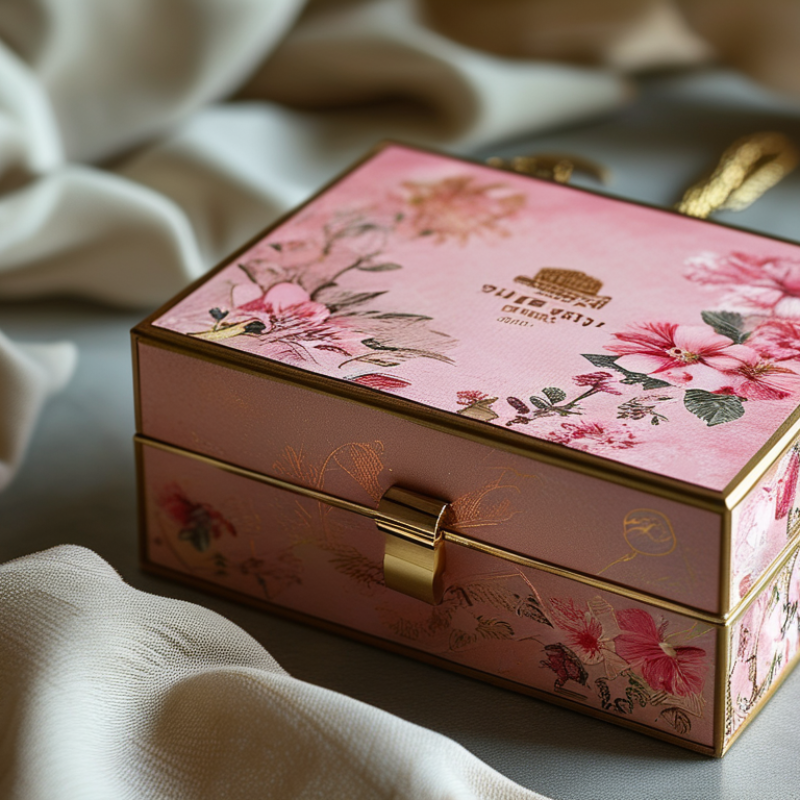
The luxury cosmetic packaging market is evolving. In 2026, trends are shifting toward sustainability and personalization. Buyers are increasingly conscious of the environmental impact of their purchases. Eco-friendly materials, such as biodegradable plastics and recycled paper, are becoming standard. This shift reflects a broader consumer preference for brands that prioritize sustainability.
Moreover, customization is on the rise. Consumers appreciate unique packaging that tells a story. They're drawn to designs that reflect their identity and values. Brands that offer bespoke options appeal more to discerning buyers. This trend promotes creativity but can challenge manufacturers. Balancing personalization and production efficiency requires innovation.
Another trend is the emphasis on tactile experiences. Textured surfaces and innovative materials can enhance the unboxing experience. However, brands must consider cost and feasibility. As these trends take shape, careful thought is necessary. Understanding consumer preferences while maintaining quality is crucial for success. Brands that navigate this landscape will better resonate with global buyers.
In 2026, luxury cosmetic packaging is more than aesthetics. It's about creating an immersive experience. Top packaging will combine sustainability with innovative designs. Research highlights that the global luxury packaging market is projected to reach $27 billion by 2026, illustrating the industry's growth and the importance of premium materials.
Key features include eco-friendly elements. Brands are shifting towards biodegradable and recyclable materials. Consumers now demand transparency in sourcing. Moreover, personalization remains essential. Custom designs enhance brand identity and engage customers on a deeper level. According to a recent report by Technavio, distinct packaging can influence purchase decisions by 75%.
Tips: Consider your target audience. What message does your packaging convey? It should resonate emotionally. Keep in mind the balance between creativity and practicality. Make sure your packaging is user-friendly while still being visually appealing. Reflect on your choices. Are they truly aligned with your brand values?
As the demand for sustainable products grows, luxury cosmetic packaging is evolving. The global cosmetic packaging market is projected to reach $30 billion by 2026, with sustainability at its core. Companies are increasingly opting for materials that reduce environmental impact. According to a recent industry report, nearly 70% of consumers prefer brands using eco-friendly packaging.
Sustainable materials are not just a trend; they are becoming a necessity. Biodegradable plastics and recycled materials are on the rise. Major brands have reported a shift, with over 50% of new packaging designs featuring sustainable elements. Yet, challenges persist. The supply chain for these materials can be inconsistent, often leading to delayed production schedules.
Moreover, finding balance is crucial. While sustainable packaging is desired, maintaining luxury aesthetics is essential. Many consumers associate luxury with opulence, often leading to a reluctance to embrace minimalist designs. Brands must navigate this fine line, ensuring that eco-friendly packaging still delivers a premium feel. It’s a journey that requires patience and creativity but promises long-term benefits for both the environment and the brand’s identity.
In 2026, luxury cosmetic packaging will undergo significant transformations. Customization will play a critical role. According to the latest report by Smithers Pira, the global cosmetic packaging market is projected to reach $34 billion by 2026. Customization allows brands to create unique packaging solutions that resonate with target consumers. This need for individuality in products is driven by changing consumer preferences.
Brands are increasingly focusing on sustainable options. Custom biodegradable materials are becoming popular. A survey by Statista reports that 55% of consumers prefer eco-friendly packaging. Custom designs that use less plastic not only appeal to customers but also reduce environmental impact. This shift can challenge manufacturers, as balancing aesthetics with sustainability remains complex.
Value addition remains crucial in luxury segments. Custom features like embossed logos or special finishes can elevate branding. However, these enhancements come at a price. Reports suggest that overly intricate designs can lead to increased production costs and longer lead times. This requires brands to strike a balance between luxury appeal and cost efficiency. Ultimately, the future of luxury cosmetic packaging will hinge on how well brands adapt to these evolving demands.
| Packaging Type | Material | Customization Options | Eco-Friendliness | Average Price (USD) |
|---|---|---|---|---|
| Folding Boxes | Recycled Paper | Printing, Embossing, Foil Stamping | 100% Recyclable | $2.50 - $5.00 |
| Rigid Boxes | Cardboard | Custom Shapes, Magnetic Closures | Partially Recyclable | $5.00 - $10.00 |
| PET Containers | PET Plastic | Color Customization, Labeling | Recyclable | $0.50 - $2.00 |
| Glass Jars | Glass | Custom Colors, Silk Screening | 100% recyclable | $3.00 - $7.00 |
| Airless Bottles | Plastic/Aluminum | Custom Designs, Pump Functionalities | Partially Eco-Friendly | $2.00 - $4.00 |
The luxury cosmetic packaging market is evolving rapidly. Global brands are setting trends in design, sustainability, and functionality. They seek to connect with consumers on a deeper level. Unique materials and innovative designs are essential for standing out.
Many brands gravitate toward eco-friendly options. Biodegradable materials and recyclable designs resonate with consumers today. However, some luxury brands struggle to balance sustainability with aesthetic appeal. They sometimes prioritize appearance over environmental impact, leading to mixed consumer responses.
In the quest for elegance, brands face challenges. Packaging often becomes excessive, detracting from the product itself. Consumers desire simplicity and elegance, yet many brands still cling to extravagant designs. It highlights the need for reflection within the industry on what luxury truly means. Each brand must continually adapt to meet evolving consumer expectations while maintaining their identity.
This chart illustrates the projected market share of different packaging materials used in the luxury cosmetic industry by 2026. The data reflects the growing preferences for sustainable and innovative packaging solutions among global buyers.
: The main trends are sustainability and personalization, focusing on eco-friendly materials and unique designs.
Sustainability is crucial as consumers are increasingly aware of environmental impacts and prefer eco-friendly options.
Personalization allows consumers to connect with brands. Unique packaging that tells a story enhances brand loyalty.
Popular materials include biodegradable plastics and recycled paper, aligning with the demand for sustainable options.
Textured surfaces and innovative materials create a memorable unboxing experience that engages consumers more deeply.
Brands must balance creativity with production efficiency, which can complicate the manufacturing process and increase costs.
The luxury packaging market is projected to reach $27 billion by 2026, highlighting its increasing importance.
Brands should ensure their packaging conveys a clear message that aligns with their values and engages the target audience.
Brands should balance creativity with practicality to ensure packaging is user-friendly and visually appealing.
Emotional resonance connects consumers to the brand, influencing purchase decisions and fostering loyalty.
The article titled "2026 Top Luxury Cosmetic Packaging Boxes for Global Buyers" explores the evolving landscape of luxury cosmetic packaging, emphasizing key trends for 2026 that are shaping buyer preferences worldwide. It highlights the importance of design aesthetics and functionality in Luxury Cosmetic Packaging Boxes, showcasing features that appeal to high-end consumers. Additionally, sustainable materials are increasingly becoming a priority, with brands focusing on eco-friendly options to meet growing environmental concerns.
Customization is also a significant trend, allowing brands to create unique packaging solutions that reflect their identity and cater to consumer demands. As leading global brands innovate in this space, the article underscores how these elements collectively enhance the consumer experience and drive sales in the luxury cosmetic market.
